

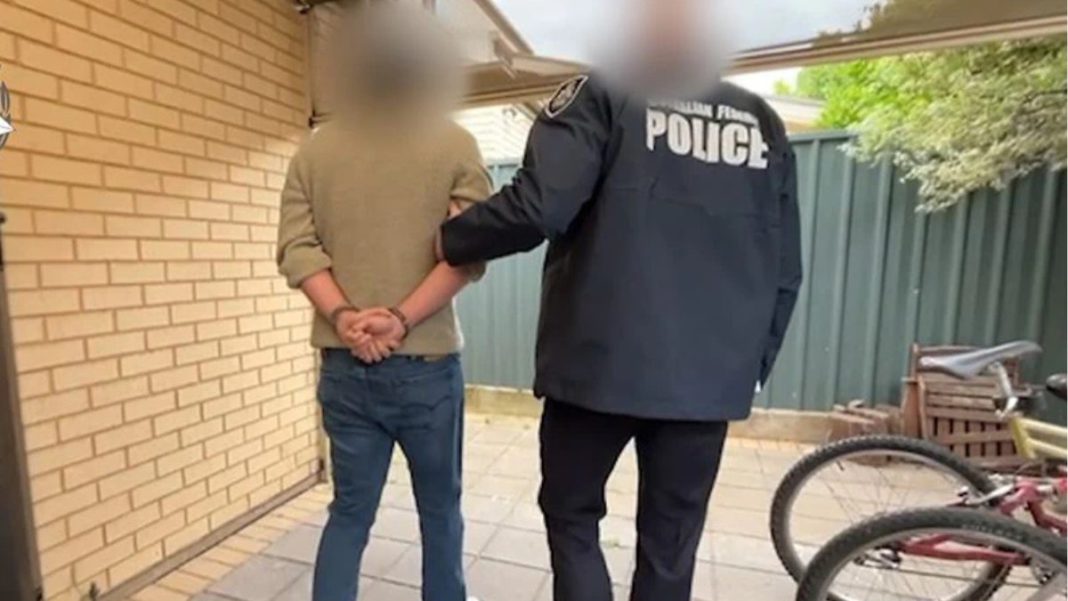
Modern slavery, human trafficking, and forced marriage are crimes many Australians believe only happen in faraway places. But they’re happening right here — in our suburbs, towns, workplaces, schools and even family homes. Hidden in plain sight, these horrific offences are unfolding every day across the country, often undetected and unspoken. The Australian Federal Police (AFP) is urging Australians to recognise this uncomfortable reality and take action.
To mark the United Nations’ World Day Against Trafficking in Persons (WDATIP), the AFP has revealed there were 382 reports of modern slavery and human trafficking offences in the 2023–24 financial year. That’s a jump of more than 12 per cent from the previous year and the highest figure ever recorded in Australia. These reports included cases of slavery, servitude, debt bondage, deceptive recruiting, and forced marriage — the latter making up the largest portion, with 91 cases, or nearly one every four days.
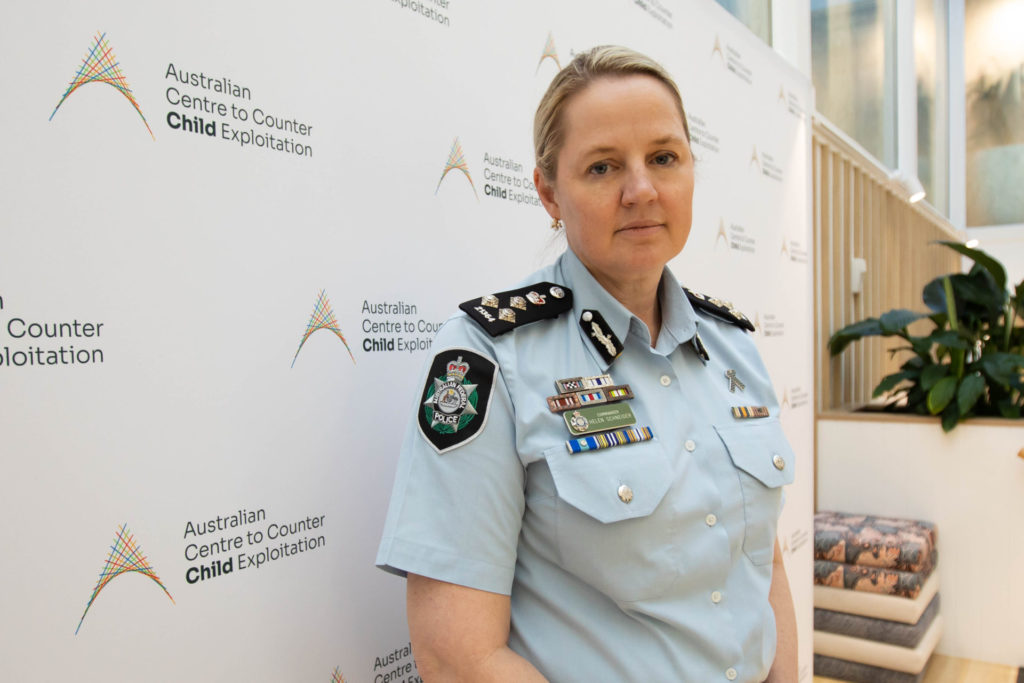
The statistics are confronting. But experts warn the real figures are likely much higher. The Australian Institute of Criminology estimates that for every victim of human trafficking or slavery identified, at least four more remain hidden. Part of the challenge, AFP Commander Helen Schneider says, is that many victims don’t know they’re being exploited — or are too afraid to seek help.
“This can especially be the case when perpetrators are members of their family or community, or where they may fear shame or embarrassment from their communities,” Commander Schneider explains.
“These factors often prevent victims from reporting human exploitation crimes to law enforcement.”
She says many cases involve overlapping forms of exploitation. A victim of forced marriage may also be experiencing slavery or servitude. Someone in forced labour may also be subject to debt bondage or deceptive recruitment. And often, the people around them simply don’t recognise what’s happening.
“It’s not always clear-cut. Human exploitation is happening in our communities, in our neighbourhoods, in everyday spaces. The people affected could be living on your street,” she says.
“These crimes cut across industries — from domestic work to agriculture to hospitality. Regardless of the setting, the result is the same: profound abuse and violation of human dignity.”
Australia is considered primarily a destination country for human trafficking. Victims have been identified from countries around the world, brought here under false pretences or through coercion. “Human trafficking and exploitation know no borders,” says Commander Schneider.
“It denies people their dignity and basic human rights. Australia must be part of the global effort to combat it.”
As part of this effort, the AFP established its Human Exploitation Community Officer (HECO) program in 2023. Rolled out nationally by 2024, the program is designed to build relationships with high-risk communities and empower victims to speak out. HECOs work directly with vulnerable groups, offering support, raising awareness and putting preventative strategies in place.
Leading Senior Constable Afra Prodan, the first HECO for South Australia and the Northern Territory, describes the work as both fulfilling and heart-wrenching. “I’ve always been interested in helping victims, but I wasn’t fully aware of the extent of human exploitation in Australia until I stepped into this role,” she says.
“It’s about community engagement, but it’s also about potentially saving someone’s life.”
One of her earliest experiences was speaking to a young person who was being exploited — but didn’t realise she was a victim. “It was probably one of the most gut-wrenching conversations I’ve had,” Prodan recalls. “She wasn’t asking for justice. She was just asking for help.”
Prodan and her colleagues have led more than 370 community engagements so far in 2025, focusing on at-risk communities based on cultural, economic or geographic vulnerability. Their work includes not just awareness, but early intervention — particularly in cases like forced marriage where cultural sensitivities can complicate detection and reporting.
Beyond law enforcement, support services are expanding. The Additional Referral Pathway (ARP) now allows victims of human trafficking and modern slavery to seek help without first going to the police. Instead, they can access support from trusted non-government organisations such as Anti-Slavery Australia, Project Respect, Scarlett Alliance and the Australian Muslim Women’s Centre for Human Rights.
Commander Schneider says the ARP is a breakthrough for victim support.
“It gives people the chance to reach out to community-based organisations and still receive immediate safety, wellbeing support and legal advice — all confidential and free.”
Other services include the Red Cross’s Support for Trafficked People Program and Life Without Barriers’ Forced Marriage Specialist Support Program. These programs help victims rebuild trust, reconnect with family and community when safe, and begin the difficult process of recovery.
The Albanese Government has also reaffirmed its commitment to combatting modern slavery in all its forms.
Foreign Minister Senator Penny Wong marked WDATIP by highlighting the link between human trafficking and organised crime, including the rise of trafficking victims being forced to work in online scam centres. “Many of these scam centres operate across our region to defraud and steal from people, including Australians,” she said.
“This has become one of the world’s largest illicit industries, fuelling money laundering and the drug trade.”
Domestically, Australia has introduced a world-first Scams Prevention Framework and launched the National Anti-Scam Centre to tackle this evolving threat. Internationally, it continues to lead partnerships through the ASEAN–Australia Counter Trafficking program and co-chair the Bali Process with Indonesia.

Attorney-General Michelle Rowland noted that large businesses are now required to report on their efforts to combat modern slavery under the Modern Slavery Act 2018. “We are committed to prevention, prosecution and protection,” she said.
“Australia stands with victims of these abhorrent crimes and remains committed to providing victim-centred support and protection.”
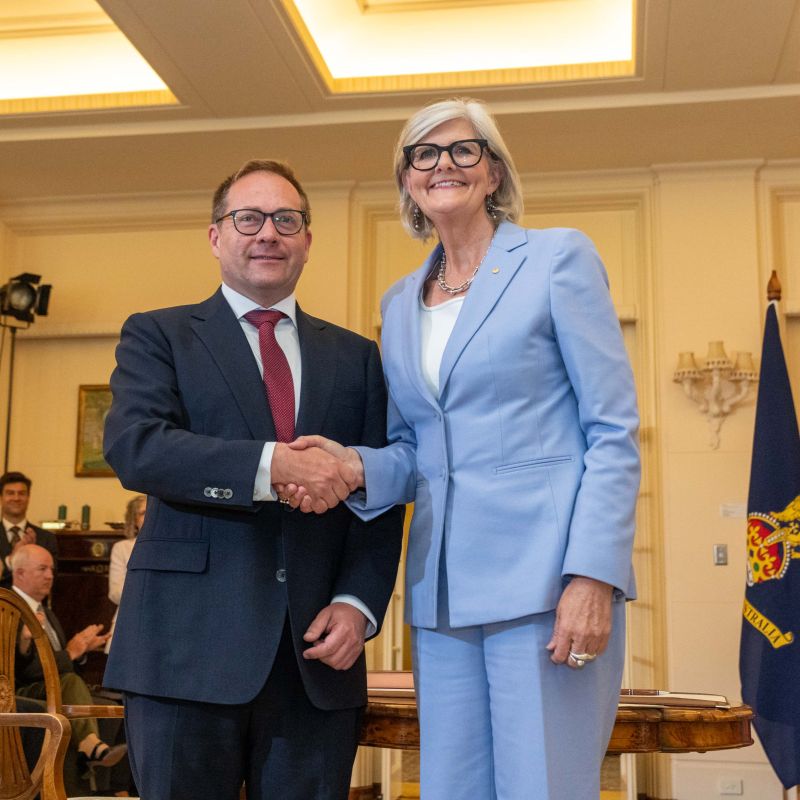
Assistant Treasurer Dr Daniel Mulino added that the government’s investment in scam prevention was already having an impact.
“We want to prevent people being harmed by scams and are putting in place world leading measures to help keep Australians safe – our Scams Prevention Framework, legislated in February this year, will establish world leading consumer protections against scams.”
But despite government efforts, frontline officers like LSC Prodan believe the solution also lies in education and community awareness. “Most Australians don’t know this is happening around them — but it is,” she says.
“We need people to ask questions, look out for others, and understand what exploitation can look like. It can be subtle. It can be cultural. And it can be right next door.”
If you suspect someone is a victim of trafficking, call 131 AFP (131 237) or report it online. Help is available — even if you’re unsure. Raising awareness and taking action are the first steps to shining a light on modern slavery in Australia and ending the silence that allows it to thrive.
Support our Journalism
No-nonsense journalism. No paywalls. Whether you’re in Australia, the UK, Canada, the USA, or India, you can support The Australia Today by taking a paid subscription via Patreon or donating via PayPal — and help keep honest, fearless journalism alive.
