

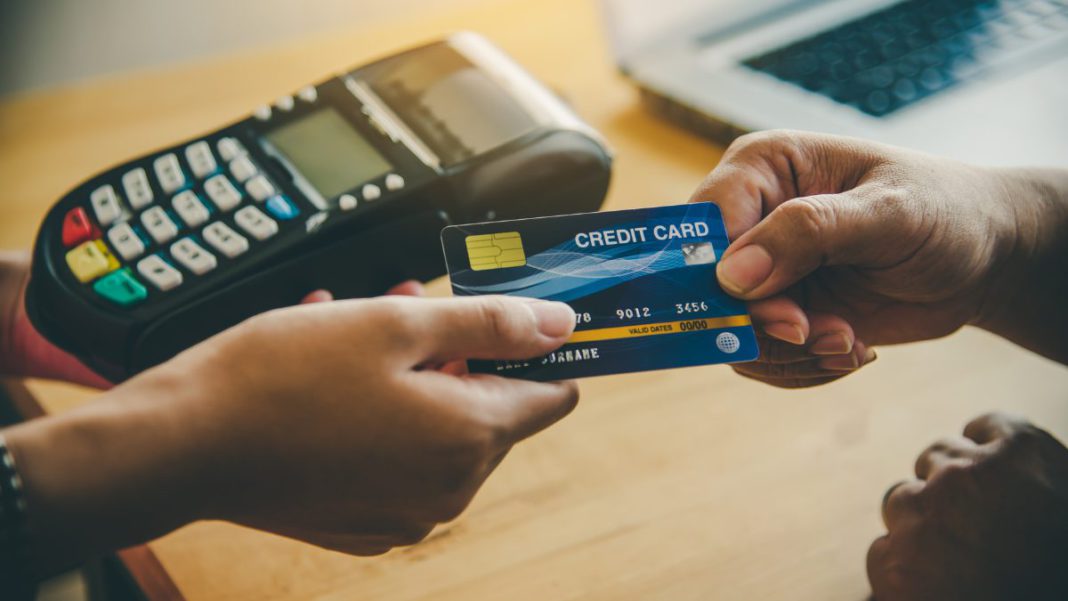
New Zealand’s Prime Minister has declared a ban on card payment surcharges, saying “you shouldn’t have to pay to use your own money.”
Under the new rule, set to take effect by May next year, merchants will no longer be allowed to add extra charges for most in-store debit, credit, or Eftpos transactions. The move follows a separate announcement to slash the interchange fees businesses pay to accept card payments — a change expected to save them around $90 million annually.
“We’re banning surcharges on debit, credit and Eftpos payments,” the Prime Minister said.
“This is about making sure those savings are passed on to consumers.”
Commerce and Consumer Affairs Minister Scott Simpson said the change would finally end the frustration many shoppers feel at the checkout.
“Surcharges are a hassle and an unwelcome surprise when shoppers get to the till,” he said.
“That pesky note or sticker on the payment machine will become a thing of the past.”
The Government estimates that Kiwis are currently paying up to $150 million in surcharges every year, with as much as $65 million considered excessive. “That’s money that could be saved or spent elsewhere,” Simpson said.
The upcoming Retail Payment System (Ban on Surcharges) Amendment Bill will apply to card payments made in-store using Eftpos, Visa and Mastercard. However, it won’t cover online purchases, foreign-issued cards, prepaid gift or travel cards, or other schemes such as American Express and UnionPay.
Simpson acknowledged that some merchants could respond by raising prices to absorb the cost of offering contactless payments. “In some cases, the retailer doesn’t even make it clear what the surcharge percentage is,” he said, highlighting the lack of transparency in the current system.
The Commerce Commission, which will be responsible for enforcing the new rule, is also expected to require banks to improve how they communicate payment costs to merchants so they can negotiate better deals.
If retailers fail to comply, consumers will be entitled to refunds.
The announcement brings New Zealand in line with countries like the United Kingdom and members of the European Union, where card surcharges are banned on designated payment networks. While Australia still allows surcharging on card payments, it must reflect the actual cost to retailers — though the Reserve Bank of Australia has recently proposed a full ban on surcharges for Eftpos, Visa and Mastercard transactions.
With legislative changes expected before the end of this year, New Zealand is positioning itself as a leader in retail payment fairness, aiming to put an end to hidden costs at the counter.
Support our Journalism
No-nonsense journalism. No paywalls. Whether you’re in Australia, the UK, Canada, the USA, or India, you can support The Australia Today by taking a paid subscription via Patreon or donating via PayPal — and help keep honest, fearless journalism alive.
