

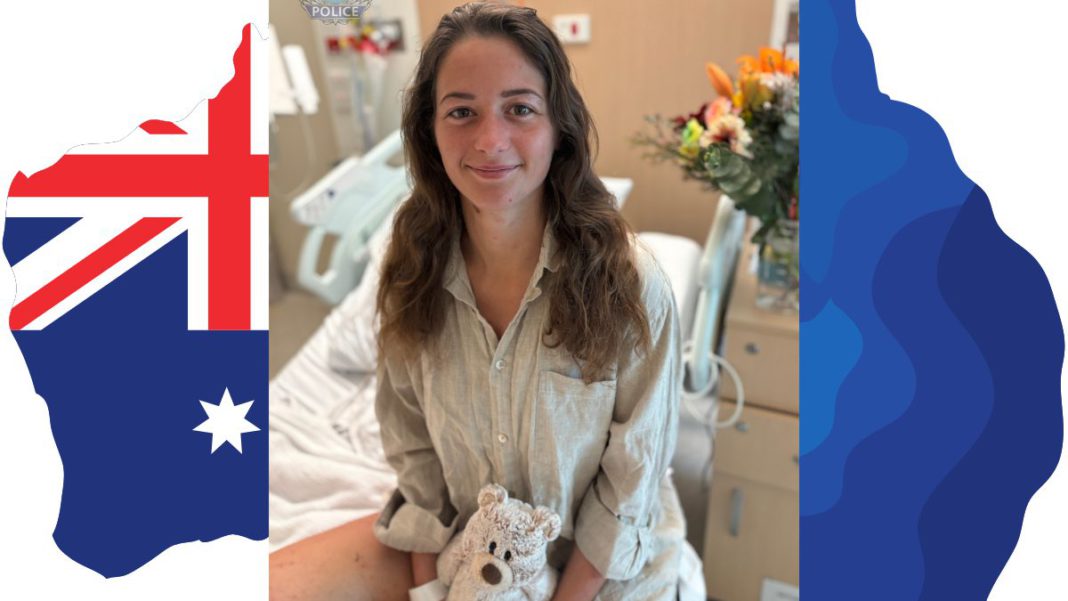
After almost two weeks lost in the vast and freezing terrain of Western Australia’s Wheatbelt, 26-year-old German backpacker Carolina Wilga was been found alive in what authorities are calling a “miraculous” survival story.
Wilga, who was last seen on June 29 at a general store in Beacon, more than 300 kilometres northeast of Perth, was discovered “safe and well” by local pastoralist Tania Henley on Friday afternoon. She had endured 11 nights alone in the wild, facing near-zero temperatures, relentless mosquito bites, and complete isolation.
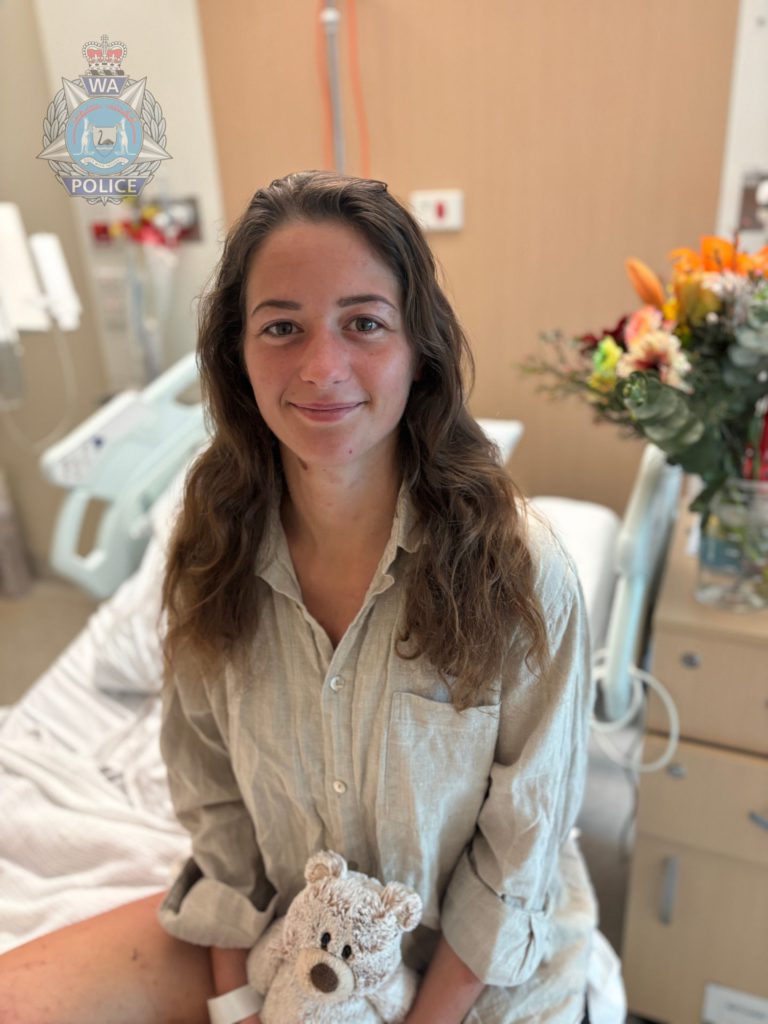
Speaking from her hospital bed in Perth, Wilga shared a heartfelt message:
“Thank you from the bottom of my heart – a thank you that truly comes from the depth of my soul! Western Australia has shown me the true meaning of community, humanity, and compassion.”
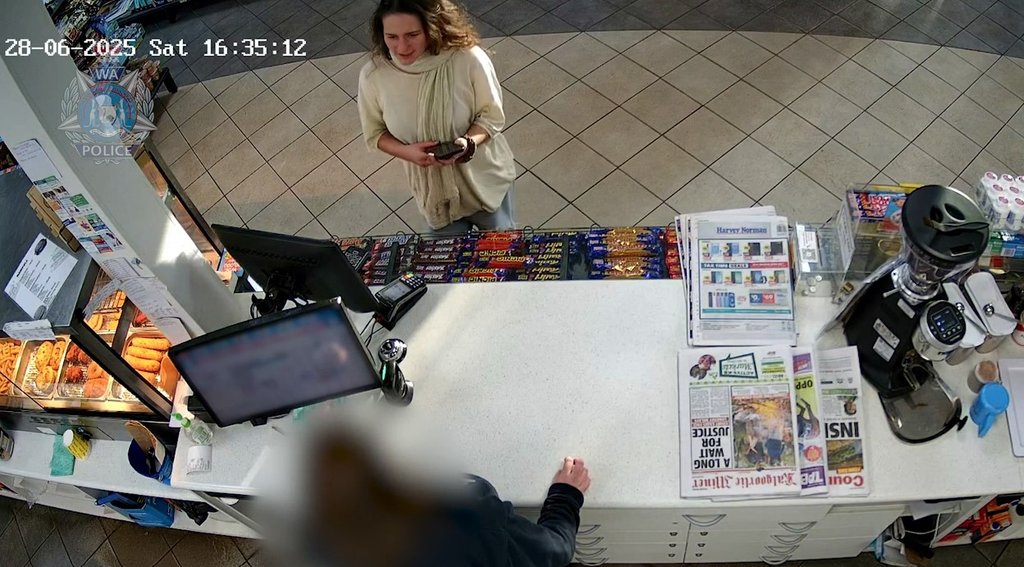
Wilga revealed she had suffered a head injury after her 1995 Mitsubishi Delica rolled down a slope in Karroun Hill Nature Reserve. Disoriented and injured, she wandered away from the bogged vehicle, triggering an intense search operation involving police, air surveillance, and trackers.
“I am certain I survived only thanks to the incredible outpouring of support,” she said.
“The thought of all the people who believed in me, searched for me, and kept hoping for me gave me the strength to carry on during my darkest moments.”
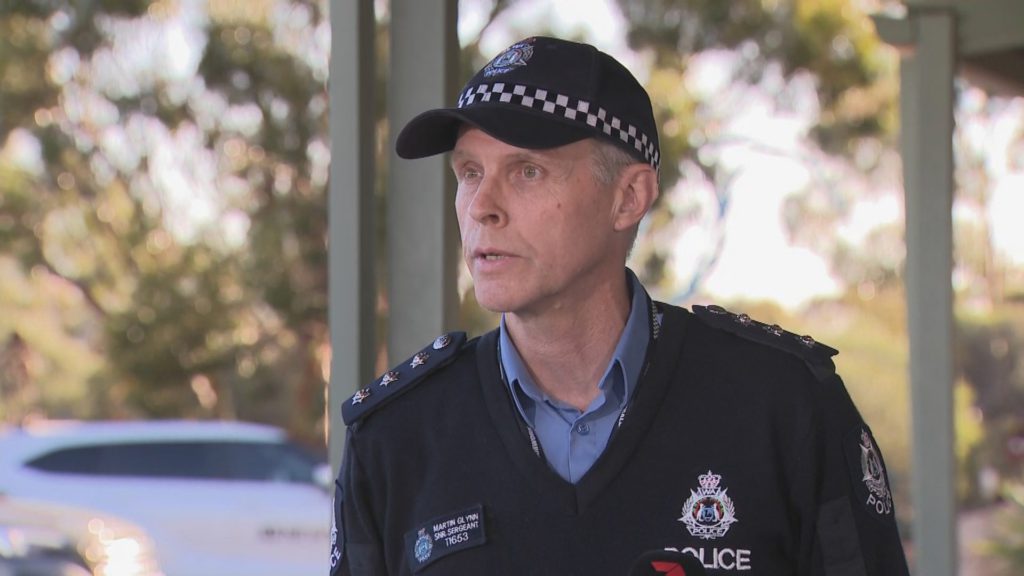
WA Police Inspector Martin Glynn confirmed she was found walking a bush track and praised the “fantastic” public response.
“She’s obviously been through an amazing journey of trauma,” Glynn said. “She does have some injuries, but she’s alive – and that’s remarkable.”
Wilga’s family in Germany, who first raised the alarm, have expressed their deep relief.

WA Premier Roger Cook described the outcome as “nothing short of remarkable.”
“We can all breathe a little easier knowing Carolina is safe and well. Her survival is a testament to human resilience and the power of community,” he said.
Authorities reminded travellers of the dangers of WA’s remote regions.
“Carolina had taken some precautions, but conditions out here are unforgiving,” said Cook, urging solo adventurers to carry EPIRBs and satellite phones.
Wilga, who had been working across regional mine sites and backpacking around Australia for two years, concluded her emotional statement with a message of gratitude:
“Thank you, Australia – you are amazing.”
Support our Journalism
No-nonsense journalism. No paywalls. Whether you’re in Australia, the UK, Canada, the USA, or India, you can support The Australia Today by taking a paid subscription via Patreon or donating via PayPal — and help keep honest, fearless journalism alive.
