

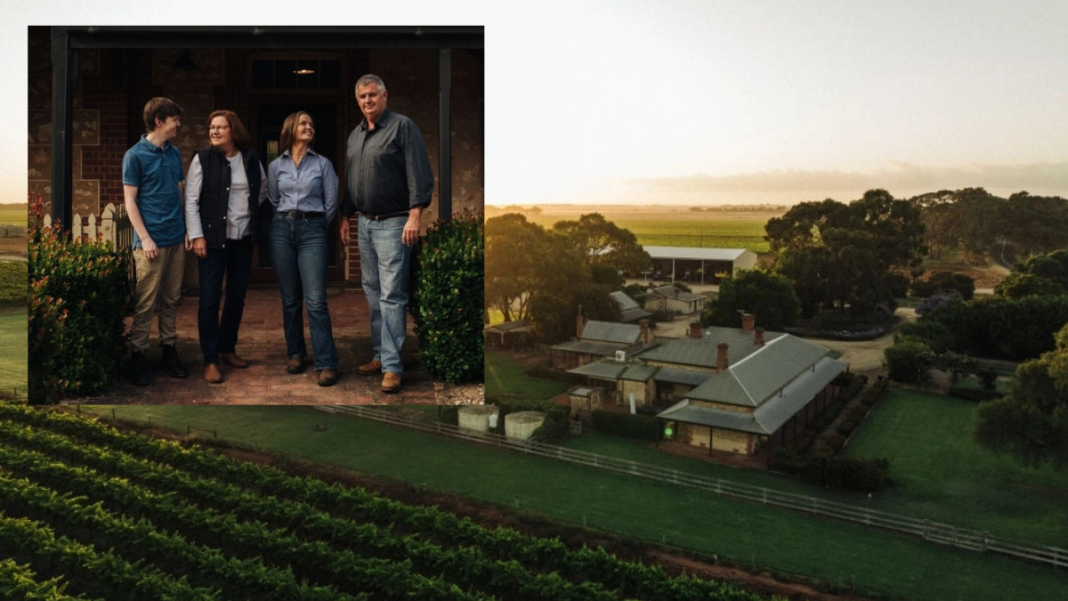
A South Australian family-owned winery is making steady inroads into India’s growing wine market, expanding distribution across eight Indian states and securing a major contract to supply its wines to Air India’s business class passengers.
Langhorne Creek-based Metala has spent years building relationships and navigating the complexities of the Indian market. The company’s perseverance has now resulted in stronger export volumes, with its Metala and Killibinbin brands gaining recognition among Indian consumers and hospitality businesses.
In late 2025, Metala secured a contract to supply wines for Air India’s business class service, giving the Australian brand exposure to premium travellers across the airline’s global network.
“The Australia-India free trade agreement has boosted confidence in Australian wines,” said Metala co-owner Guy Adams.
“India’s younger consumers are moving towards wine, and we can compete at the premium level. It has been slow and steady work, but we are now picking up volumes in India. The Air India deal gets us precisely where we need to be – right in front of our target customers.”
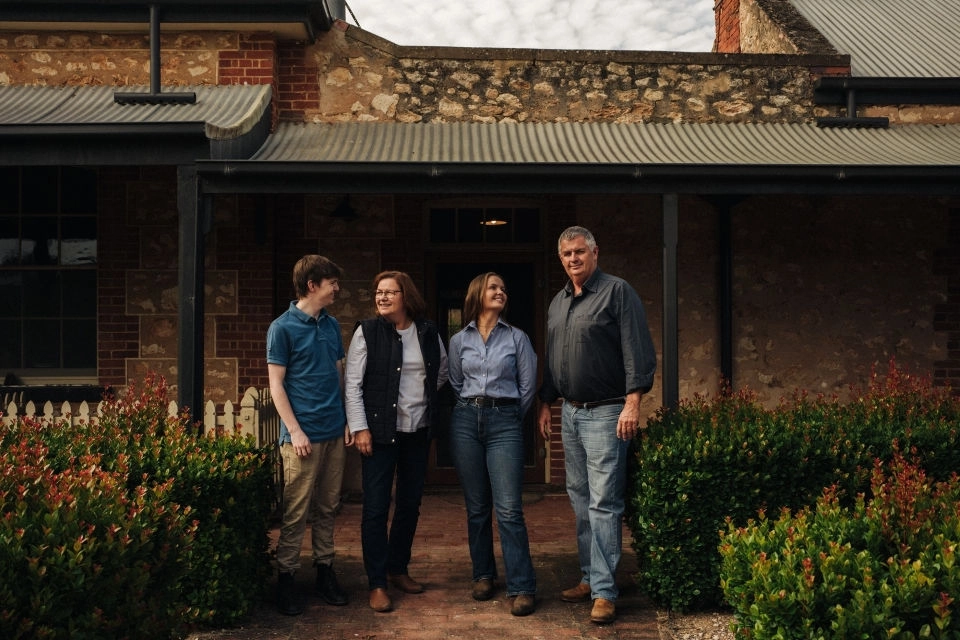
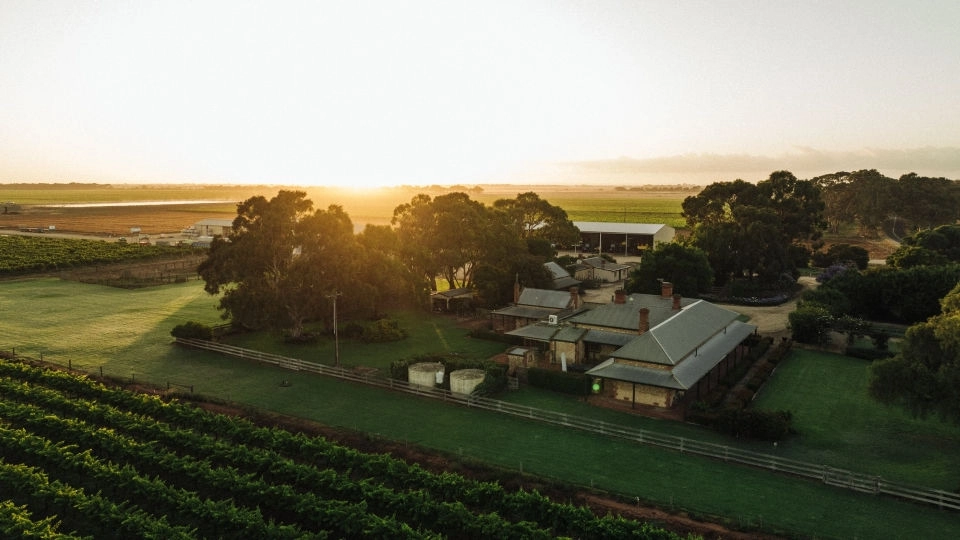
Owned by fifth-generation custodians Guy and Liz Adams, Metala is a historic vineyard in South Australia’s Langhorne Creek region. The 1,000-hectare property includes what the family describes as the oldest family-owned Cabernet Sauvignon vines in the world.
“Metala is an old brand – dating back to the 1960s – and our Cabernet Sauvignon and Shiraz helped to shape wine-drinking tastes in Australia today,” Liz Adams said.
“We are part of Australia’s wine-making history.”
The winery has expanded its presence across India, with its wines now available in eight states and union territories — Maharashtra, Karnataka, Goa, Rajasthan, Tamil Nadu, Uttar Pradesh, Assam and Puducherry.
Sales in Maharashtra, Karnataka and Goa have been particularly strong as India’s middle class grows and younger consumers increasingly explore wine as part of changing food and lifestyle trends.
Guy Adams said India’s growing population and evolving consumer preferences made the country a significant opportunity for Australian wine producers.
“India has a huge population and a growing middle class,” he said.
“Palates are evolving as young people aspire to Western lifestyles, in terms of food and drink.”
Metala worked closely with Austrade and South Australian export advisers to understand the Indian market, identify opportunities and overcome regulatory challenges.
After almost two years of searching for the right partner, the company joined forces with specialist importer Sonarys, which has helped Metala navigate complex state-level regulations, labelling requirements and distribution networks.
The winery has also worked with influential figures in India’s wine industry, including Sonal Holland, India’s only Master of Wine, to strengthen brand awareness and connect with consumers.
Holland’s involvement through the India Wine Awards helped bring Metala wines to the attention of Air India, leading to the business class supply agreement after an 18-month assessment process.
“It took around 18 months of assessments, but in August 2025 we gained a contract to supply business class on Air India,” Liz Adams said.
Air India operates more than 1,200 flights each month to over 85 destinations worldwide, giving Metala access to a premium audience of international travellers.
“One of our biggest challenges is just trying to get our wine in front of people,” Liz said.
“Now, our target market can see and taste our wine on business class flights. This is a terrific opportunity, and it will build our brand in India.”
The company said the Australia-India Economic Cooperation and Trade Agreement has improved confidence among Australian wine exporters by reducing tariffs on premium wine and strengthening trade ties between the two countries.
Guy Adams said success in India required patience, commitment and relationship building.
“It’s all about perseverance,” he said.
“India is a relationships-based market. You need to go to India regularly, meet with representatives from the trade, retail and hospitality sectors, and take a long-term view.”
The next generation of the Adams family is also looking towards India as a key growth market.
“India will definitely be important to our future,” said Emily Adams, aged 23, who is already involved in the family business.
“There are lots of young people who are adventurous and tech-savvy. They are also aspirational — and that makes India a great market to be in.”
Metala’s experience highlights the growing opportunities for Australian exporters in India, where persistence, partnerships and a long-term commitment are proving essential to building successful business relationships.
Support our Journalism
No-nonsense journalism. No paywalls. Whether you’re in Australia, the UK, Canada, the USA, or India, you can support The Australia Today by taking a paid subscription via Patreon or donating via PayPal — and help keep honest, fearless journalism alive.
