

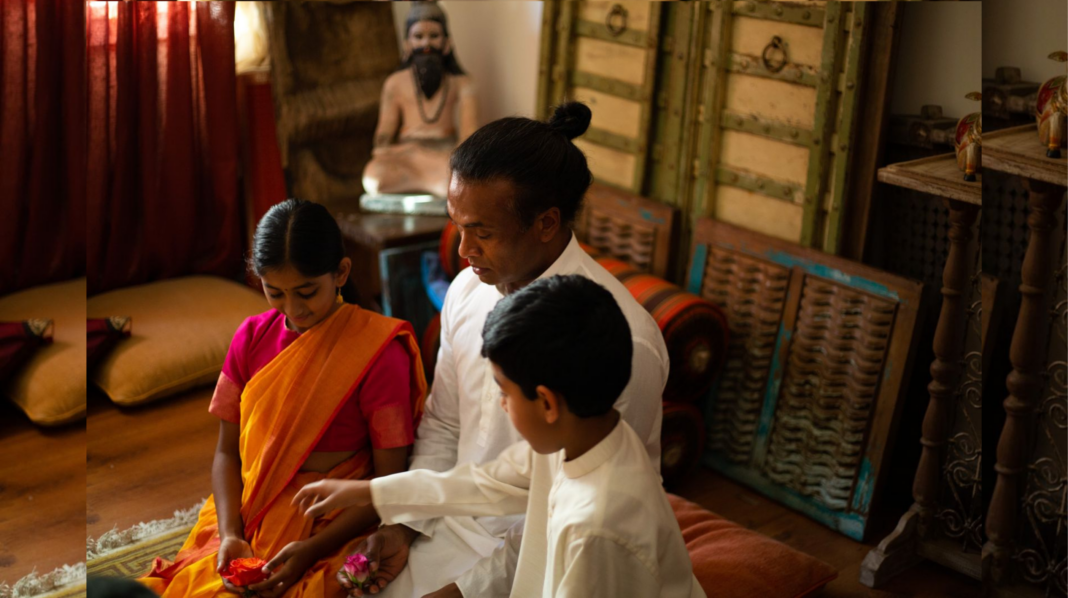
Acclaimed Australian short film Namaste Yoga has been released free on YouTube worldwide ahead of International Yoga Day on 21 June 2026, offering audiences a timely story about yoga, identity, assimilation and cultural memory.
Written and directed by Ravi Chand, the family film was previously broadcast nationally in Australia on ABC ME and ABC iview. It is now being made freely available to global audiences through YouTube.
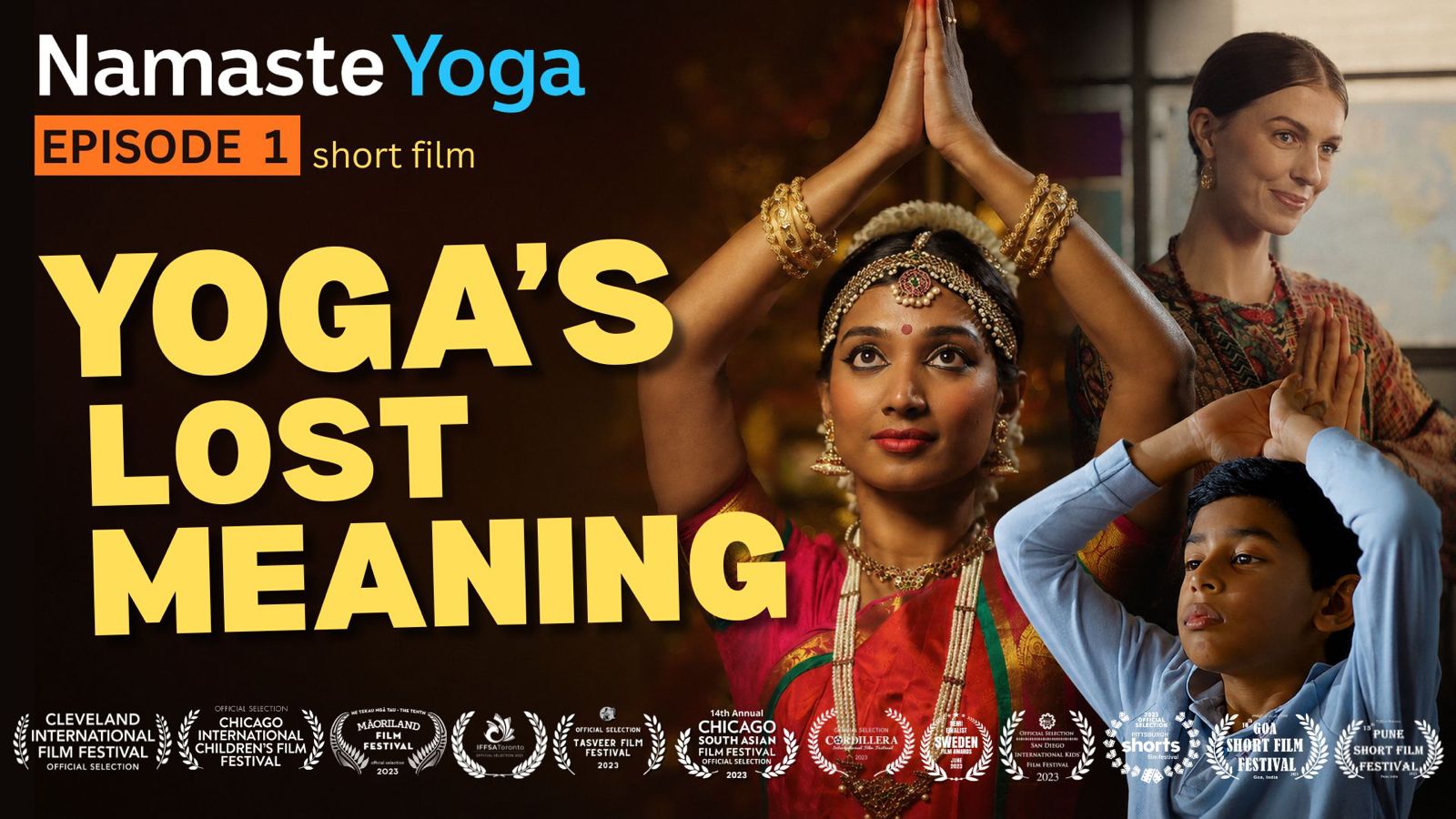
The release comes as communities around the world prepare to mark the 12th International Day of Yoga, a United Nations observance celebrated every year on 21 June.
The first International Day of Yoga was celebrated globally in 2015 after Indian Prime Minister Narendra Modi proposed the idea during his 2014 address to the United Nations General Assembly. The date of 21 June was chosen because it is the summer solstice in the Northern Hemisphere and carries cultural and spiritual significance in many traditions.
Across Australia, yoga-related events are also being organised around the day, including community sessions, wellness gatherings and public celebrations in cities such as Melbourne and Sydney.
Against that backdrop, Namaste Yoga takes on added meaning.
The film follows Shiv, a 10-year-old boy who feels ashamed of being Indian and Hindu. After a school fight, he is told he must attend mandatory lunchtime yoga classes with Miss Blanche, a self-proclaimed yoga “guru” who has completed a 200-hour course, in order to avoid suspension.
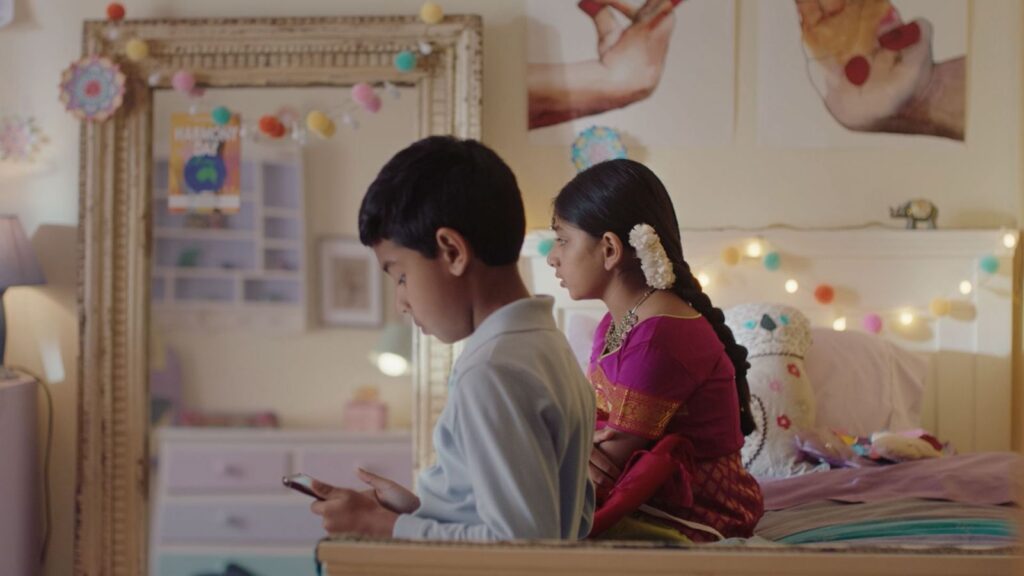
Through humour, emotion and family storytelling, Namaste Yoga examines identity, assimilation and the cultural roots of yoga.
At a time when yoga has become a major global wellness industry, the film asks what is lost when a sacred Hindu practice is stripped of its origins, repackaged as Western wellness and sold back to the very children who inherit it.
The question sits at the heart of broader conversations around International Yoga Day. While the day celebrates yoga’s universal appeal and benefits for health and wellbeing, many Hindu and Indian diaspora voices have also called for greater recognition of yoga’s Indian and spiritual roots.
For migrant families, particularly children growing up in Western countries, the film explores a familiar tension: the pressure to fit in while carrying traditions that are often misunderstood, mocked, or commercially repackaged by others.

The UN proclaimed 21 June as the International Day of Yoga in December 2014 through resolution 69/131, recognising yoga as an ancient physical, mental and spiritual practice that originated in India. The UN says the word yoga comes from Sanskrit and means “to join” or “to unite”, symbolising the union of body and consciousness within Hindu philosophy.
The film has been praised by audiences, critics and Hindu organisations for its sensitive and authentic treatment of yoga, Hindu identity and cultural belonging.
The Hindu Council of Australia described the film as “an incredible and beautiful film”, while others called it “an honest discussion around the cultural appropriation and colonisation of yoga”.
Critics said the film was made with “such a level of care and respect that Hollywood, Bollywood and Western media should take note”, while most prominently it was written that “it is difficult not to tear up through this masterpiece”.
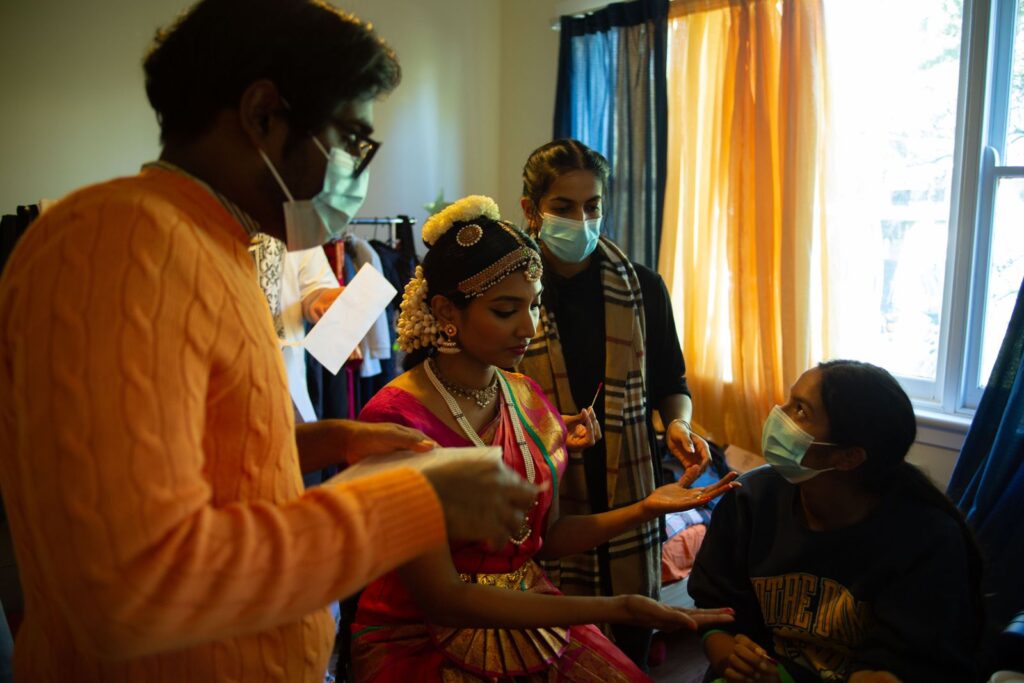
Suitable for children and adults, Namaste Yoga has also earned recognition on the international festival circuit.
The film was selected for the 2023 Māoriland Film Festival, the Oscar-qualifying 40th Chicago International Children’s Film Festival, the 47th Cleveland International Film Festival, Tasveer South Asian Film Festival and the San Diego International Kids Film Festival, where lead actor Emil Jayan won the Best Leading Actor Award.
It has also screened at several other international film festivals.
Chand said the decision to release the film freely was about returning it to the community.
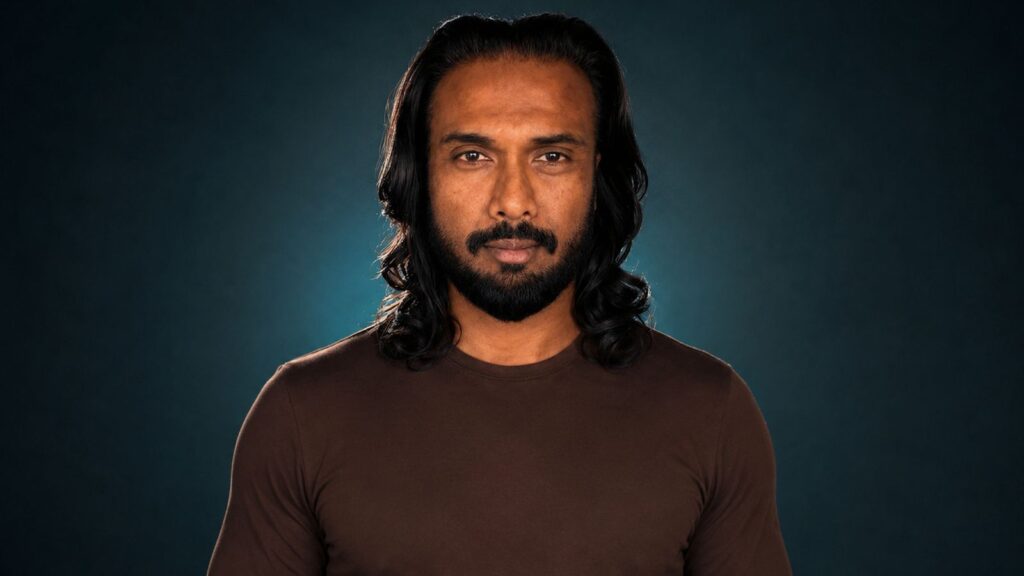
“Everyone from the community has commented about the level of detail and lived experience in the film,” he said.
“This was’nt by accident. We collaborated in great detail with Hindu, yoga and Bharatanatyam elders and acharyas.”
The timing of the release also places the film in conversation with previous International Yoga Day celebrations, which have grown into one of India’s most visible cultural contributions to global public life. Since 2015, mass yoga gatherings have been held across India and in major cities around the world, including New York, Paris, Beijing, Bangkok, Kuala Lumpur, Seoul and New Delhi.
For Chand, Namaste Yoga is not simply a film about yoga classes. It is a story about what happens when children of migrant families are taught to feel embarrassed about the very traditions that shaped them.
The film’s global release is expected to resonate strongly with Indian Australian diaspora families, global Hindu communities, yoga practitioners and educators working with children navigating identity, culture and belonging.
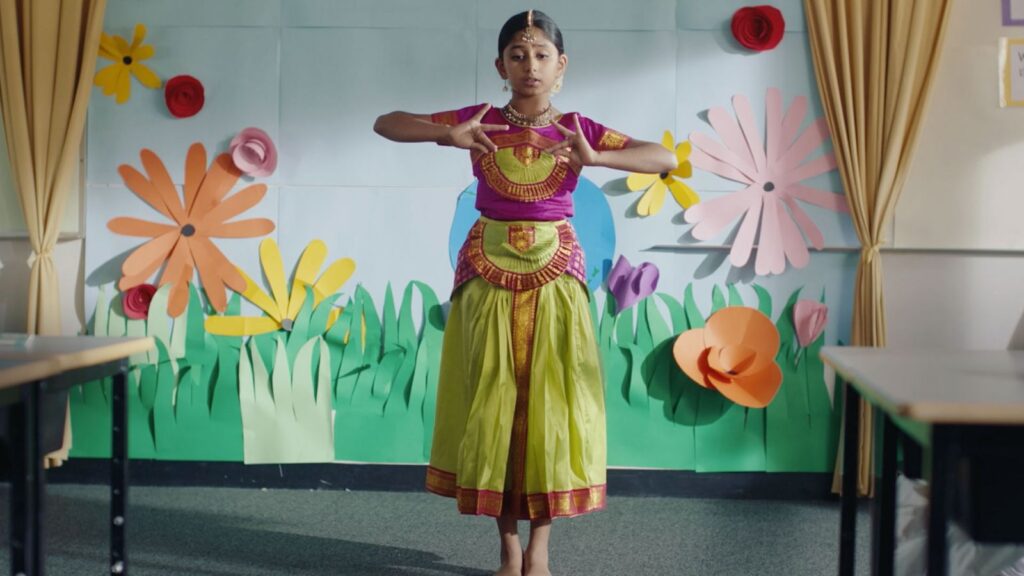
As International Yoga Day again places yoga on the global stage, Namaste Yoga offers a reminder that yoga’s future cannot be separated from its roots.
Namaste Yoga is now available free on YouTube worldwide.
Screening links are available at www.warriortribefilms.com/namaste-yoga.
In 2026, the United Nations will mark the 12th International Yoga Day with an event at UN Headquarters in New York on 18 June, organised by the Permanent Mission of India to the UN in collaboration with the UN Secretariat.
Support our Journalism
No-nonsense journalism. No paywalls. Whether you’re in Australia, the UK, Canada, the USA, or India, you can support The Australia Today by taking a paid subscription via Patreon or donating via PayPal — and help keep honest, fearless journalism alive.
