

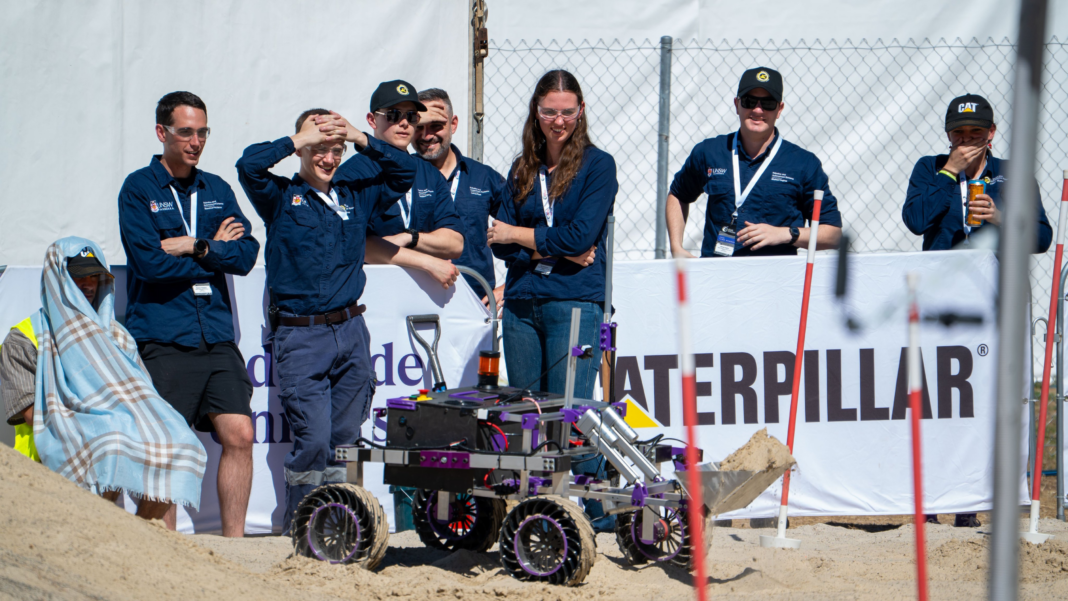
UQ Space from the University of Queensland has taken out top honours at the Australian Rover Challenge, ahead of strong competition from leading university teams across Australia and overseas.
Legendary Rover rounded out the podium from Rzeszów University of Technology in Poland in second place, and Monash Nova Rover from Monash University in third.
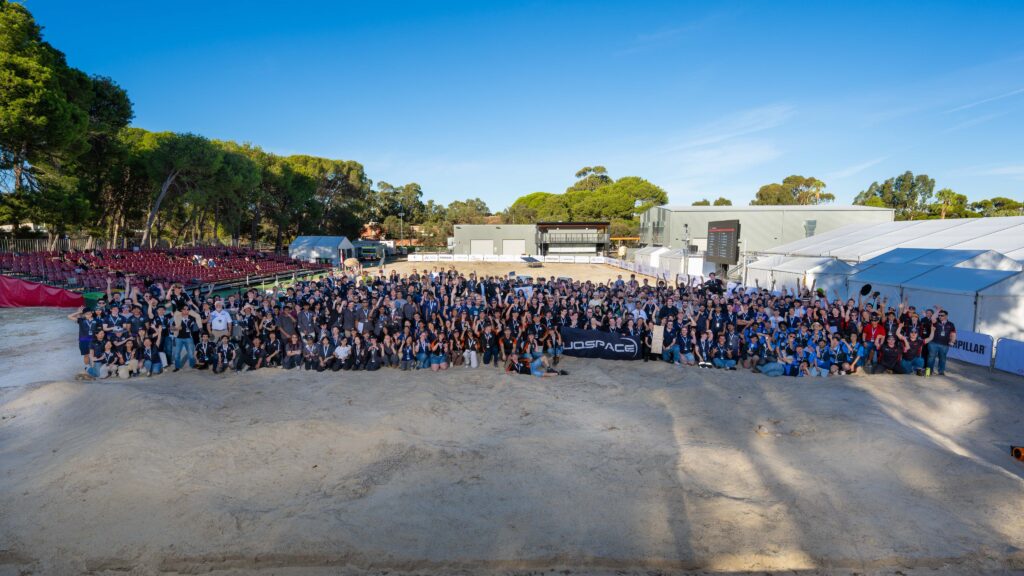
The international robotics competition, hosted at the University of Adelaide, brought together 30 teams from countries including Australia, Poland, Indonesia, India, Bangladesh, Germany and Kazakhstan to test semi-autonomous rover systems in simulated lunar environments.
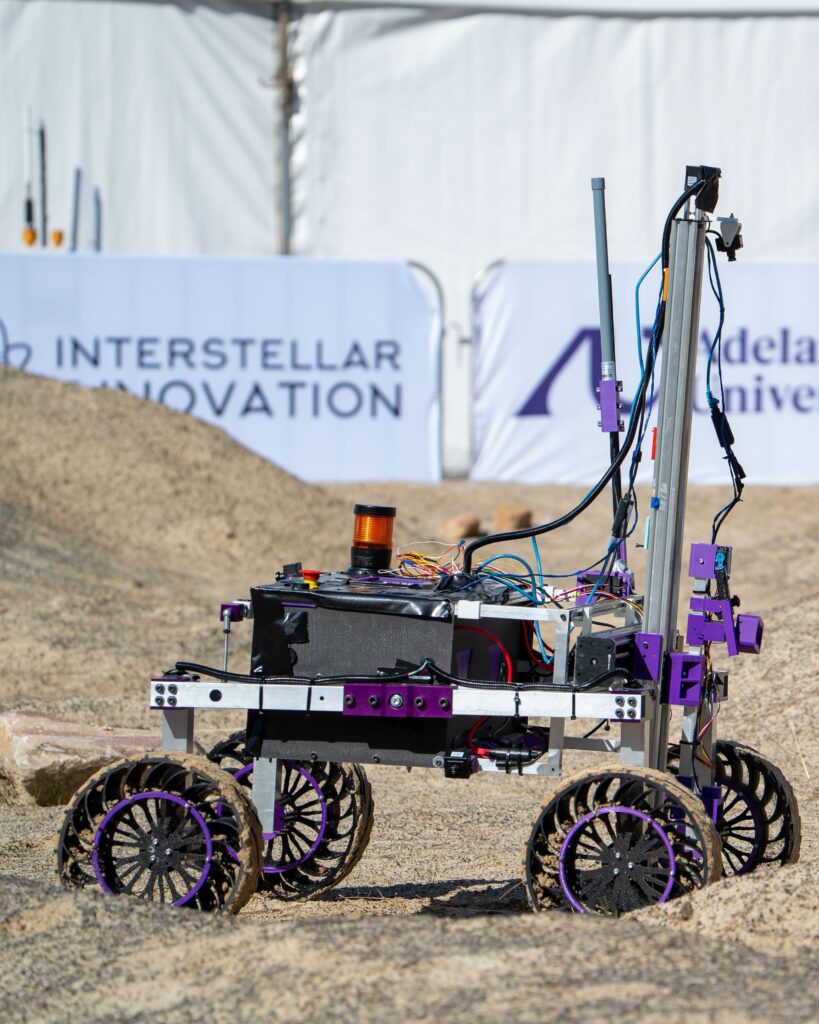
Each team was required to design and build a rover under 60 kilograms capable of performing complex off-world missions, including autonomous navigation, excavation, construction tasks, scientific data collection, and robotic arm operations.
Among the competing teams was a triservice group from the Australian Defence Force Academy (ADFA), made up of nine trainee officers and five civilian students from the University of New South Wales Canberra, competing in the Robotics and Autonomous Systems (RAS) category.
The ADFA team improved on last year’s performance to finish fourth overall and was also recognised with the community engagement award for its collaboration with other university teams during the event.
Over four days of competition, teams were challenged with tasks designed to simulate real lunar operations, testing both engineering capability and autonomous system resilience under pressure.
ADFA team president Officer Cadet Elsie Drummond said the group was proud of its progress and its contribution to supporting fellow competitors.
“The RAS team won the community engagement award this year thanks to the technical support we provided to others,” Officer Cadet Drummond said.
“I am really proud of our engagement with other universities and spectators.”
She said the challenge was not only technically demanding but also helped inspire future engineers and space professionals.
Acting Commandant of ADFA, Colonel Adam Bryden, said participation in the Rover Challenge gave trainee officers valuable hands-on experience in robotics, teamwork and leadership.
He said the team’s performance reflected both technical skill and strong collaboration across institutions.
Looking ahead, the ADFA RAS team plans to focus on improving autonomous system resilience and water extraction capabilities as it aims to climb higher in future competitions.
Support our Journalism
No-nonsense journalism. No paywalls. Whether you’re in Australia, the UK, Canada, the USA, or India, you can support The Australia Today by taking a paid subscription via Patreon or donating via PayPal — and help keep honest, fearless journalism alive.
