


A political row has erupted in New Zealand after police spoke to a woman over a social media post described as “unwelcoming” towards the Indian community, prompting a sharp response from Foreign Affairs Minister Winston Peters.
Police contacted Auckland woman Renee-Rose Schwenke following complaints about a Facebook post in which she shared a photo captioned: “Welcome to New India thanks to Luxsingh,” a reference to Prime Minister Christopher Luxon and a recent free trade agreement with India.
Schwenke later said officers invited her to attend a police station to discuss the post, which authorities reportedly considered “racist” and “unwelcoming”, though it did not contain threats or incitement to violence.
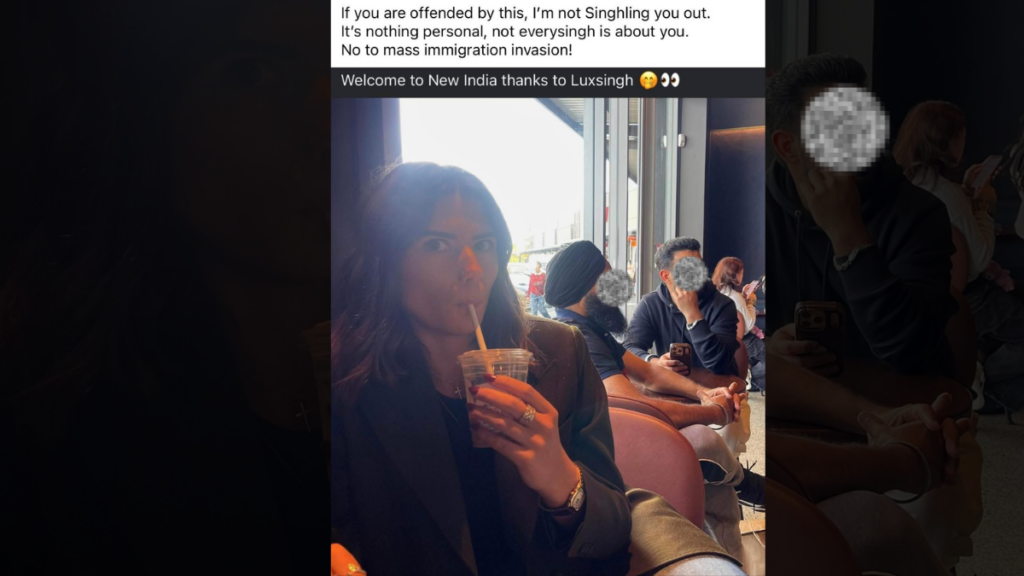
The incident has sparked debate about the limits of free speech, with Peters warning that any police intervention over non-violent expression could undermine democratic principles.
“If this report is true, this is ‘1984 thought-police’ level overreach,” Peters said in a statement, arguing that such actions should “seriously frighten every New Zealander who believes in freedom of speech”.
He stressed that while offensive or controversial opinions may carry social consequences, they should not result in police involvement unless laws are broken.
“No one has the right to not be offended,” he said.
“It is precisely the right to offend which underpins freedom of speech in our country.”
Schwenke said she received a large number of responses online, including abusive messages, after her post gained attention. She defended her comments as an expression of personal views on immigration and public policy, while also claiming she had been subjected to threats.
New Zealand Police have not publicly detailed the outcome of their interaction with Schwenke.
The case comes amid broader public debate in New Zealand over immigration, social cohesion and online expression, with officials balancing concerns about harmful speech against protections for free expression.
Peters warned that expanding police involvement in such matters risked creating a “chilling effect” on public discourse, adding that existing laws covering defamation and incitement already provide safeguards against harmful speech.
“We don’t all have to agree,” he said, “but we should defend each other’s right to have an opinion.”
Support our Journalism
No-nonsense journalism. No paywalls. Whether you’re in Australia, the UK, Canada, the USA, or India, you can support The Australia Today by taking a paid subscription via Patreon or donating via PayPal — and help keep honest, fearless journalism alive.
