

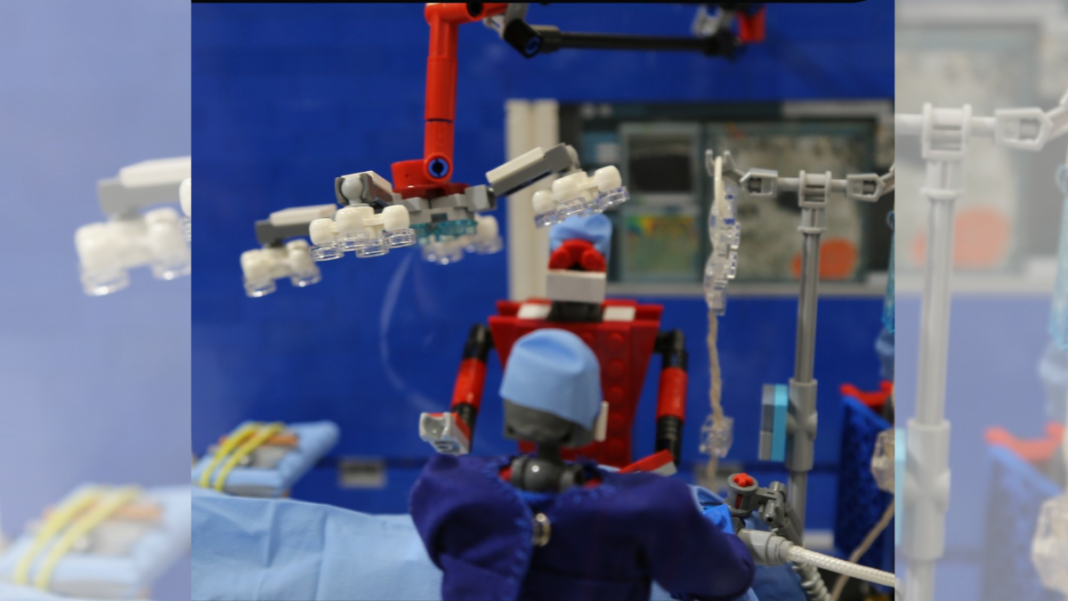
A live remote-controlled robotic surgery demonstration at the 94th Annual Scientific Congress of the Royal Australasian College of Surgeons in Perth has showcased how surgical expertise can now be shared across continents, with a patient in India participating in a real-time procedure directed from Australia.
Held at the Perth Convention and Exhibition Centre, the session brought together surgeons, trainees and healthcare professionals from across Australia, Aotearoa New Zealand and overseas. The demonstration featured Dr Mohit Bhandari, Director of Mohak Bariatrics and Robotics, who briefly operated robotic surgical instruments from Perth to perform part of a procedure on a patient located in India.
The operation formed part of a plenary session titled Collaborating with patients and industry, designed to highlight emerging approaches to surgical training and clinical collaboration. Organisers emphasised that the demonstration was conducted for educational purposes within a controlled clinical environment, with local surgical teams in India maintaining full responsibility for patient care throughout.
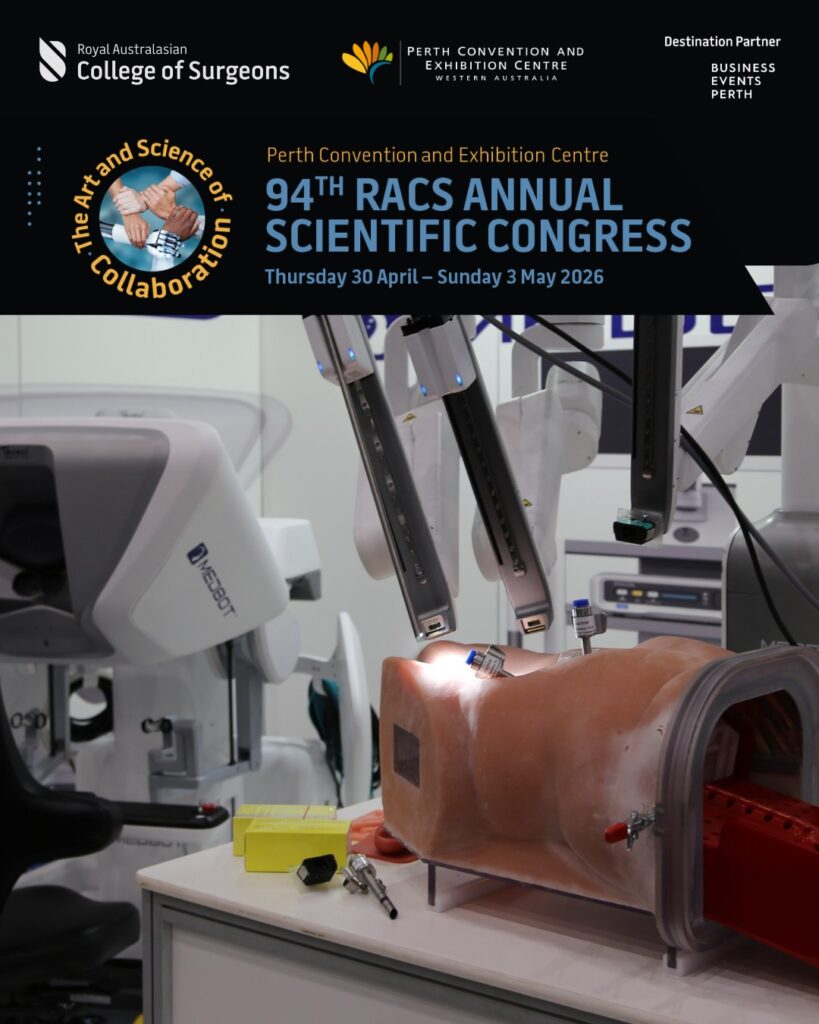
Speaking during the session, Bariatric Surgery Convenor Dr Ravi Rao said the demonstration reflected a fundamental shift in how surgical knowledge is shared and applied.
“What we have seen here is not just a technological advancement, but a shift in how surgical expertise can be shared across borders,” Dr Rao said.
“The implications for training, collaboration, and patient care are significant.”
The live procedure illustrated how tele-enabled robotic systems could, in future, support access to specialist surgical care in locations where distance and workforce shortages limit availability. However, organisers stressed that such procedures remain in early stages of clinical application and are subject to strict governance, oversight and safety protocols.
The congress itself, running from 30 April to 3 May 2026, is the flagship annual meeting of the Royal Australasian College of Surgeons. Under the theme The Art and Science of Collaboration, the program focuses on how modern surgery increasingly depends on cross-border partnerships between clinicians, researchers, engineers, industry and patients.
In recent years, robotic and digital surgery has moved from experimental demonstrations into structured clinical practice in select settings, but experts say widespread adoption will depend on infrastructure, regulation and training frameworks catching up with the technology.
The Perth demonstration highlighted both the promise and complexity of that shift. While the ability to operate across borders opens new possibilities for training and patient access, speakers at the congress also noted the importance of maintaining clear clinical accountability and ensuring patient safety remains central.
As delegates watched the procedure unfold in real time, the session underscored a broader message running through this year’s congress: that the future of surgery is no longer confined to a single operating theatre, hospital or even country, but increasingly shaped by networks of collaboration spanning the globe.
Support our Journalism
No-nonsense journalism. No paywalls. Whether you’re in Australia, the UK, Canada, the USA, or India, you can support The Australia Today by taking a paid subscription via Patreon or donating via PayPal — and help keep honest, fearless journalism alive.
