

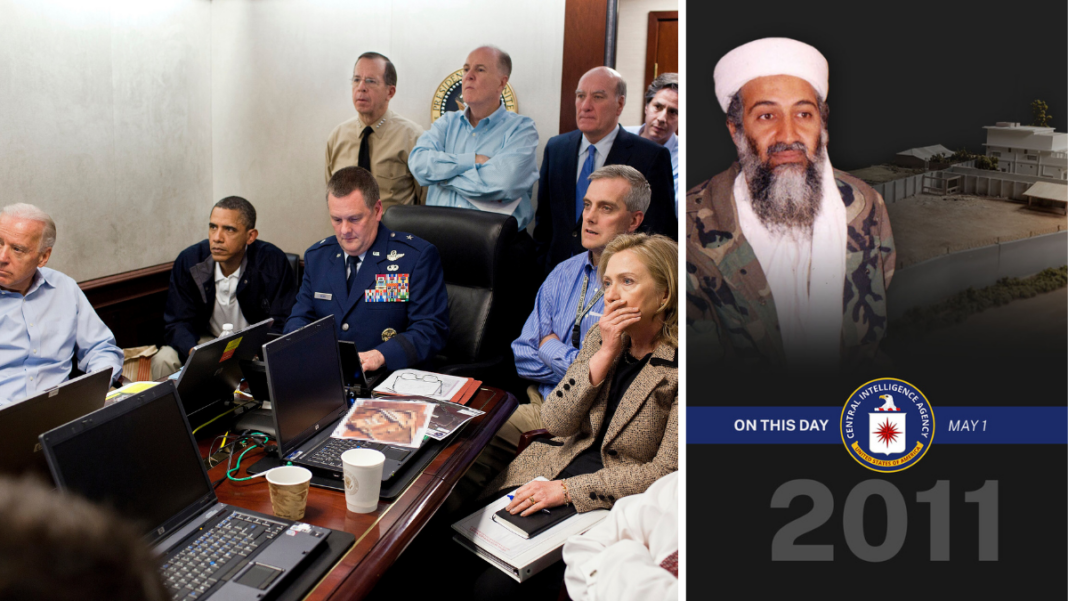
The decade-long hunt for Osama bin Laden ended in May 2011 after years of intelligence work led by the Central Intelligence Agency, according to a detailed CIA account of the operation.
Following the September 11 attacks in 2001, US intelligence agencies intensified efforts to locate the al-Qaeda leader. A key breakthrough came when analysts focused on individuals connected to him, especially a trusted courier known only by a pseudonym. Years of investigation eventually linked the alias to a real person and tracked his movements to a compound in Abbottabad, roughly 35 miles north of Pakistan’s capital Islamabad.
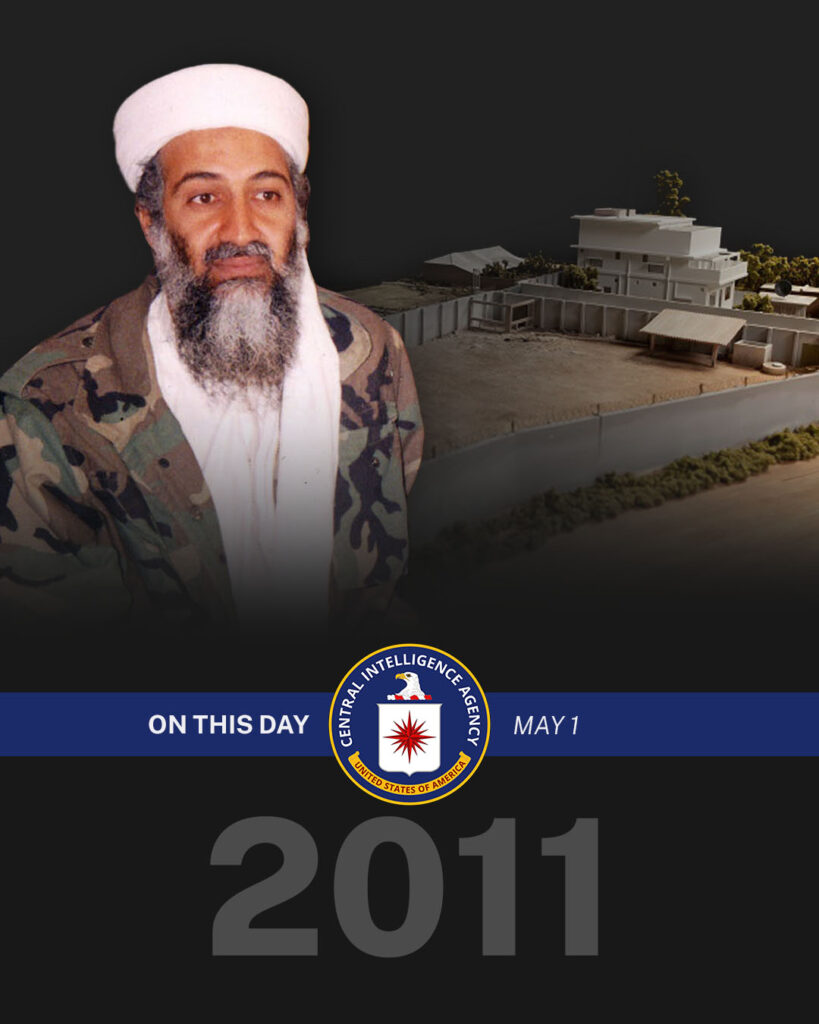
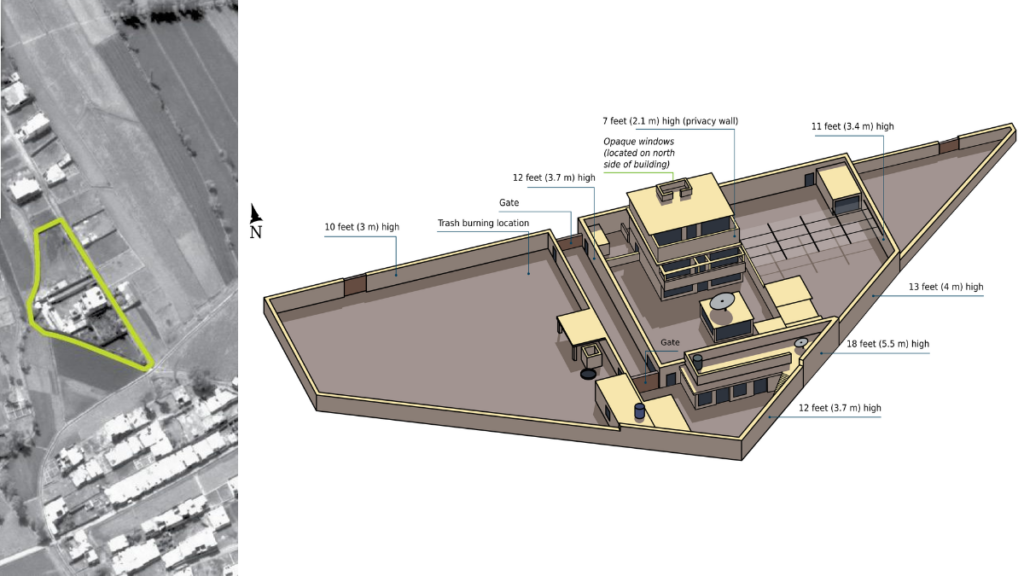
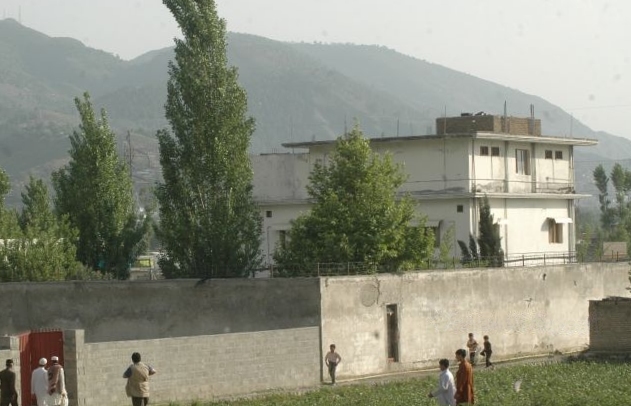
The compound stood out due to unusual security features. High walls topped with barbed wire, limited access points, opaque windows and the absence of internet or telephone connections suggested extreme operational security. Residents also burned their trash instead of leaving it for collection. Moreover, the two registered owners showed no visible employment or income that could plausibly fund such a large residence. Combined with other intelligence, this led analysts to assess that the compound was likely being used to hide bin Laden as well as the courier.
The discovery of bin Laden in Abbottabad — widely known as a Pakistani military garrison town —confirmed long-running suspicions within geo-political experts about whether elements within Pakistan had knowingly or unknowingly allowed him to remain hidden there. Although even many of the fiercest critics of Pakistan’s security establishment found it difficult to believe that it could have been so incompetent as to not know that the world’s most wanted man was living next door to an army cantonment in a house that could pass for a fortress.
The United States had provided Pakistan with billions of dollars in aid for counter-terrorism cooperation despite its chequered history and longstanding allegations of links to terrorist groups including Lashkar-e-Taiba, Jaish-e-Mohammed, Al Qaida and the Taliban.
While the presence of bin Laden in Pakistan had long been suspected by some observers of global terrorism patterns, the world’s most wanted terrorist being found in a military cantonment area less than a kilometre from a major army academy raised serious questions internationally. It was the kind of apparent geo-political betrayal not seen in recent history.
It is well known among many security analysts that Pakistan took money from the West as it was supposedly an ally in the ‘war on terror’ but then gave money to terrorists to murder innocent Afghans and Western soldiers. “We fooled them” said the former chief of Pakistan’s intelligence agency, ISI, General (Retd) Asad Durrani, in a televised interview (7:10 -7:50 min in the video below) on being questioned on this duplicity.
The Abbottabad Raid
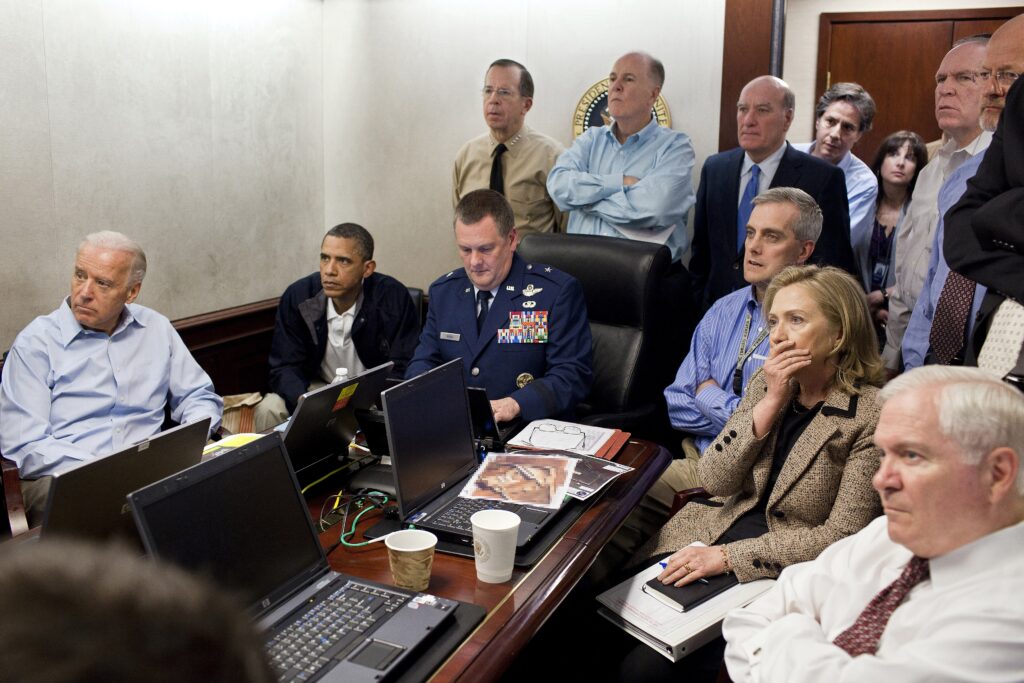
Once the compound was identified, US planners began preparing for a raid. A full-scale replica of the residence was built for rehearsals, and the operation was authorised by then US President Barack Obama on 29 April 2011. Helicopters carrying the assault team arrived shortly after midnight on 2 May (Pakistan time) [early morning 2 May in Australia (AEST)]. One helicopter crashed during insertion, but the mission continued. Within minutes, US forces located bin Laden on the third floor and killed him.
His identity was later confirmed using multiple methods, and materials seized from the compound showed he remained actively involved in directing the group while in hiding. His body was buried at sea from the aircraft carrier USS Carl Vinson shortly afterwards.
The raid intensified scrutiny of Pakistan’s long-standing links to terrorits networks — an issue that has repeatedly surfaced in global counter-terrorism investigations since 2001.
Investigations by multiple governments and international agencies over the past two decades have linked Pakistan-based or Pakistan-trained groups to several major terror attacks around the world after 9/11 including but not limited to:
• Investigations into the September 11 attacks found senior al-Qaeda leadership operated from Pakistan’s tribal regions for years after the attacks.
• The 7 July 2005 London bombings involved attackers who travelled to Pakistan.
• The 2008 Mumbai attacks were carried out by Lashkar-e-Taiba, a Pakistan-based terrorist group.
• Multiple attacks in Afghanistan over two decades were attributed by Afghan and US officials to networks operating from Pakistani territory.
• The 2006 transatlantic aircraft plot (UK–US airline plot) involved British extremists who travelled to Pakistan for training and direction from al-Qaeda before the plot was foiled.
• The 2013 Westgate shopping mall attack in Kenya was carried out by al-Shabaab, whose early leadership and foreign fighters had longstanding links to al-Qaeda networks based in the Afghanistan-Pakistan region.
• The 2019 Pulwama attack in India was claimed by Pakistan-based terrorist group Jaish-e-Mohammed.
• Richard Reid attempted to bomb a US airliner in 2001 after training with al-Qaeda in the Afghanistan-Pakistan region.
• Umar Farouk Abdulmutallab attempted to bomb a Detroit-bound flight in 2009 after travelling through Pakistan before receiving training from al-Qaeda in Yemen.
• Faisal Shahzad attempted the 2010 Times Square car bombing after receiving training from the Pakistani Taliban in Pakistan.
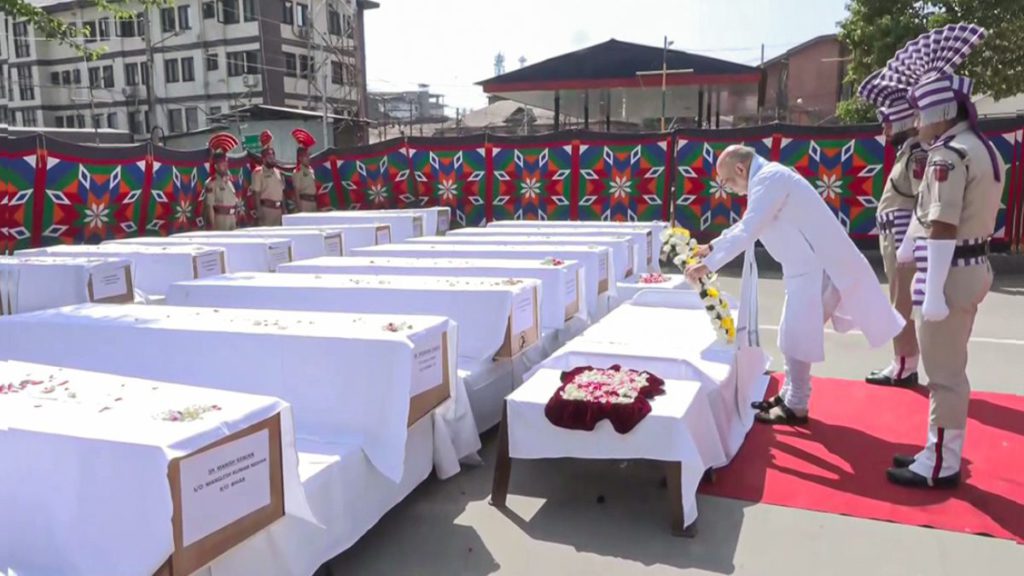
Most recently, the Pahalgam terrorist attack in India in April 2025 was carried out by the terror group The Resistance Front, widely described as a proxy of Lashkar-e-Taiba. But using terrorism as an instrument of state policy has come with its costs for Pakistan.
The country is grappling with a severe economic crisis and is on its 23rd IMF bailout package. The situation is so dire that Pakistan had to again borrow money from Saudi Arabia (US$3 billion) to return a loan of around US$3.5 billion to the UAE. Observers note that while recent improved ties with Washington reportedly on account of crypto deals with President Trump’s family as well as cringe-worthy flattery may have offered temporary breathing space but without a decisive break from terrorist networks, the country will remain a borderline failed state and risks continued instability.
Pakistan is also grappling with multiple internal security challenges, including insurgencies in Khyber Pakhtunkhwa and the long-running Baloch freedom movement. The country has been marked by political turmoil following the imprisonment of former prime minister Imran Khan and a broader crackdown on opposition figures. It is a de facto military dictatorship being run by its military head Gen Asim Munir although senior political figure Shehbaz Sharif is the Prime Minister.
More than a decade after the Abbottabad raid, the legacy of the operation continues to influence global perceptions of the fight against terrorism and the unresolved questions surrounding the world’s most notorious terrorist hiding in plain sight.
Support our Journalism
No-nonsense journalism. No paywalls. Whether you’re in Australia, the UK, Canada, the USA, or India, you can support The Australia Today by taking a paid subscription via Patreon or donating via PayPal — and help keep honest, fearless journalism alive.
