

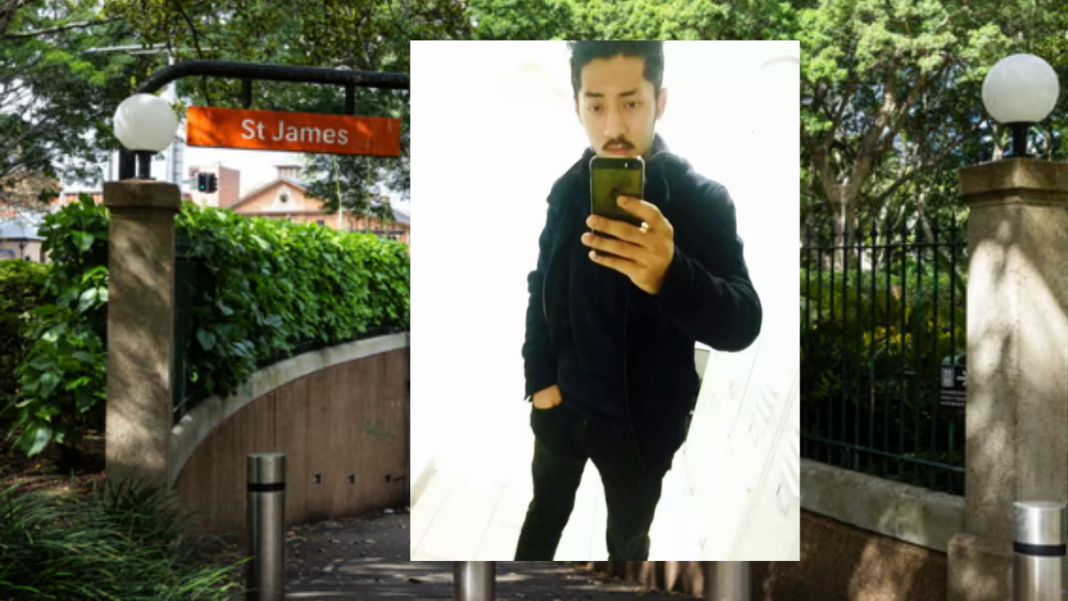
The death of a young Nepali man sleeping rough in central Sydney has triggered a national reckoning, after an investigation by The Guardian revealed how he fell through critical gaps in Australia’s homelessness and migration systems.
Bikram Lama, 32, died in December last year in Hyde Park, just metres from the busy entrance to St James station.
It is reported that Lama’s body lay undiscovered for up to a week in one of the city’s busiest thoroughfares, with thousands of commuters passing by each day.
The circumstances of his death — alone, unnoticed and without support — have drawn widespread attention since The Guardian published its investigation, prompting calls from politicians, advocacy groups and homelessness services for urgent reform.
Lama had arrived in Australia as an international student, hoping to build a better future. But after losing his visa status, he was classified as a non-resident — a designation that experts say effectively excludes people from accessing housing, healthcare, income support and other essential services.

Support workers say this “immigration limbo” leaves people trapped, unable to work legally or access basic safety nets, forcing many into prolonged homelessness.
An alliance of 48 councils, known as Back Your Neighbour and chaired by Greater Dandenong mayor Sophie Tan, described Lama’s death as evidence of the “human cost of policy-driven exclusion”.
“When people are forced to live in prolonged immigration limbo … they are effectively excluded from housing, healthcare, income support and crisis services,” the group said in a statement.
The City of Sydney is set to mark Lama’s death with a minute’s silence, as councillors push for additional funding and policy changes to support non-residents experiencing homelessness.
Councillor Adam Worling, who will move the motion, told The Guardian that the circumstances were “unfathomable”.
“This just should not happen,” he said, calling for greater accountability in how resources are allocated.
Advocates say Lama’s case is not isolated. Estimates suggest that about one in five rough sleepers in Sydney does not have residency status, leaving them ineligible for most government support programs.
Homelessness Australia chief executive Kate Colvin told The Guardian that extending basic payments and work rights could prevent similar tragedies.
“There needs to be a safety net … so people can still have accommodation and food, and not end up sleeping rough like Bikram.”
Australian Council of Social Service chief executive Cassandra Goldie described the case as the result of “decades of policies” that deny basic rights to people in Lama’s situation.
“His experience and fate is deeply systemic.”
The Guardian’s reporting traced Lama’s life back to a remote village in Nepal, where his family had sold land to send him abroad for study. In recent years, contact with his family had faded, and they only learned of his death after being asked to provide DNA samples for identification.
While authorities have deemed the death non-suspicious, questions remain about how a young man could die unnoticed in the heart of a major global city.
Support our Journalism
No-nonsense journalism. No paywalls. Whether you’re in Australia, the UK, Canada, the USA, or India, you can support The Australia Today by taking a paid subscription via Patreon or donating via PayPal — and help keep honest, fearless journalism alive.
