


India and New Zealand are set to sign a landmark Free Trade Agreement (FTA) today on April 27, 2026, marking a major step forward in bilateral economic relations and opening the door to expanded trade, investment and mobility between the two nations.
The agreement—one of the fastest negotiated by India, concluded within months of talks beginning in March 2025, will grant 100 per cent duty-free access to Indian exports into New Zealand, while around 95 per cent of New Zealand exports to India will see tariffs reduced or eliminated.

Even before the deal takes effect, the strengthening relationship is visible in symbolic and practical ways. More than 20,000 kilograms of premium wool from New Zealand has been used to carpet the new Parliament building in New Delhi—a striking example of how trade is shaping shared spaces.
New Zealand exports around 17,000 tonnes of wool annually to India, with about 72 per cent classified as strong wool, widely used in carpets and furnishings—key sectors where India leads globally.
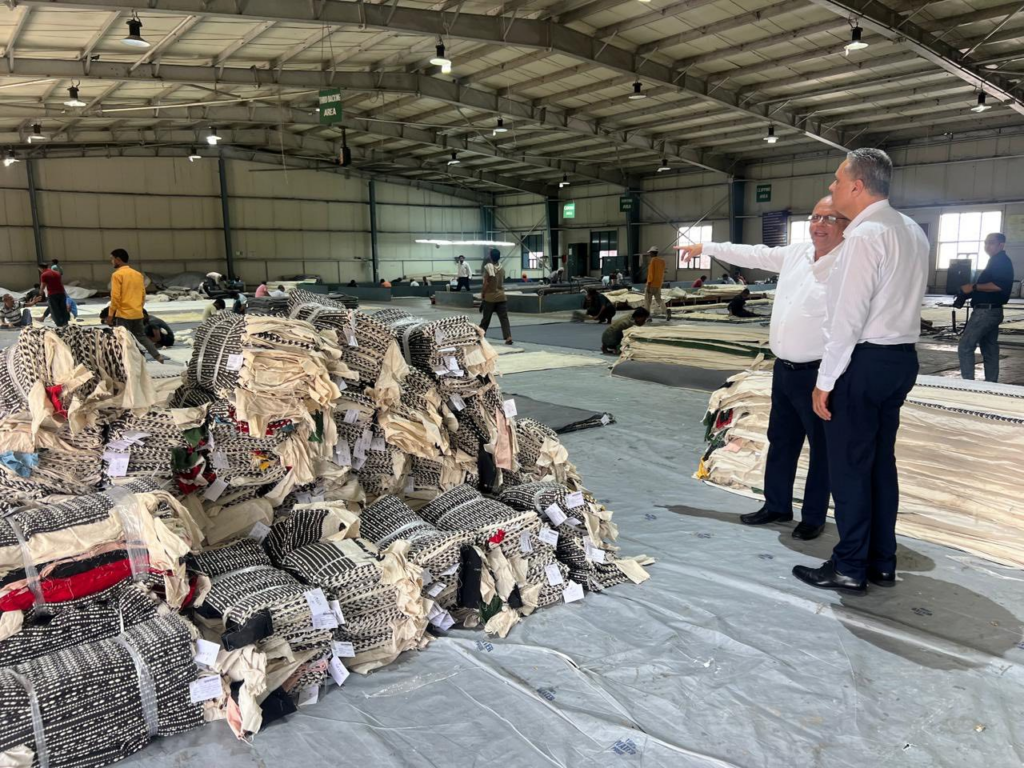
In a sign of growing industry engagement, New Zealand High Commissioner Patrick Rata visited Varanasi on April 23, meeting manufacturers in the Bhadohi carpet hub. Hosted by New Zealand Wool Service International Limited, he engaged with firms including DP Woollens and Obeetee to explore expanding the use of New Zealand wool in India’s export markets.
The FTA is expected to significantly reshape trade flows:
• Full tariff elimination on Indian exports to New Zealand, covering textiles, carpets, leather goods, ceramics and automotive components.
• Reduction or elimination of tariffs on 95 per cent of New Zealand exports to India.
• A $20 billion investment commitment from New Zealand into India over 15 years.
• New pathways for skilled workers, with a quota of 5,000 visas for sectors including IT, healthcare, engineering and education.
• A Working Holiday Visa scheme allowing 1,000 young Indians annually to live and work in New Zealand for up to 12 months.
• Expanded student mobility provisions, including part-time work rights and extended post-study opportunities.

At the same time, India has protected sensitive sectors such as dairy, agricultural products and certain metals from tariff concessions.
Bilateral trade has already shown strong growth, with India’s exports to New Zealand rising by more than 32 per cent to $711 million in 2024–25, while imports surged over 75 per cent to $587 million.
As the agreement comes into force, sectors like textiles, carpets and natural fibres—already exemplified by the wool used in India’s Parliament—are expected to play a central role in deepening economic ties.

Beyond commerce, recent engagements, including cultural visits to Varanasi’s historic ghats, highlight a broader relationship built not only on trade but on shared values and people-to-people connections.
Support our Journalism
No-nonsense journalism. No paywalls. Whether you’re in Australia, the UK, Canada, the USA, or India, you can support The Australia Today by taking a paid subscription via Patreon or donating via PayPal — and help keep honest, fearless journalism alive.
