

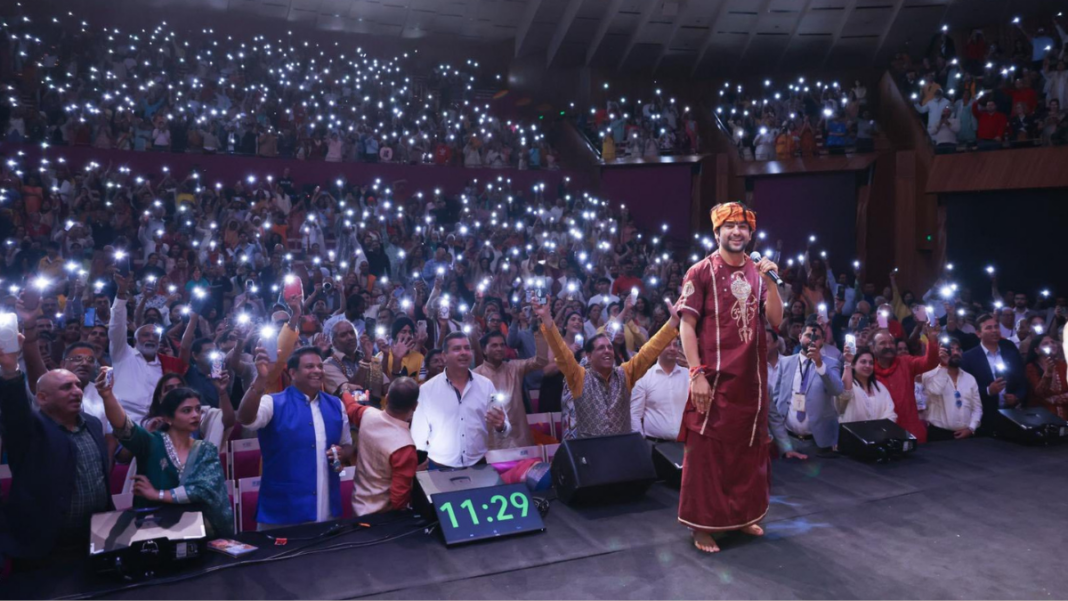
Just days after Indian spiritual guru Dhirendra Krishna Shastri visited Australia, Bageshwar Dham has crossed a major legal threshold in India, with the Ministry of Home Affairs granting FCRA registration to Shri Bageshwar Jan Seva Samiti, the body linked to the Madhya Pradesh-based religious organisation.
The approval makes the Samiti eligible to legally receive foreign funds under India’s tightly regulated foreign contribution framework. The organisation is led by Shastri and has been described as a religious, cultural, economic, educational and social body.
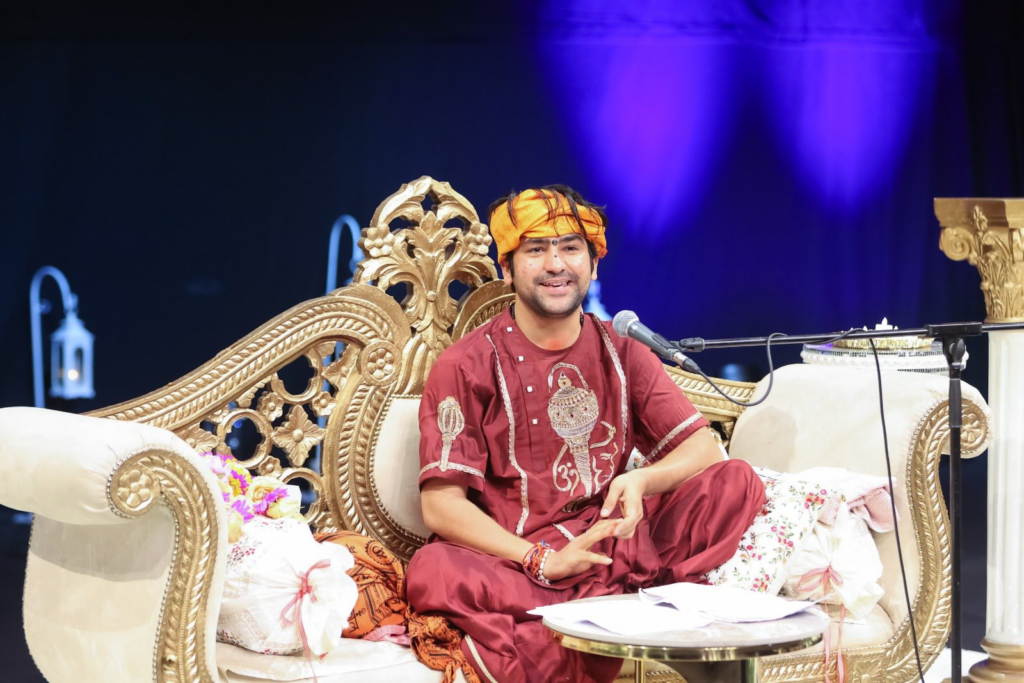
The timing is striking. On April 15, Shastri headlined Sanatan Sangam Sydney at the Sydney Opera House Concert Hall, in a free ticketed three-hour programme built around karma, dharma and conscious living, and promoted as a gathering celebrating unity, peace, harmony and “One World, One Family.”
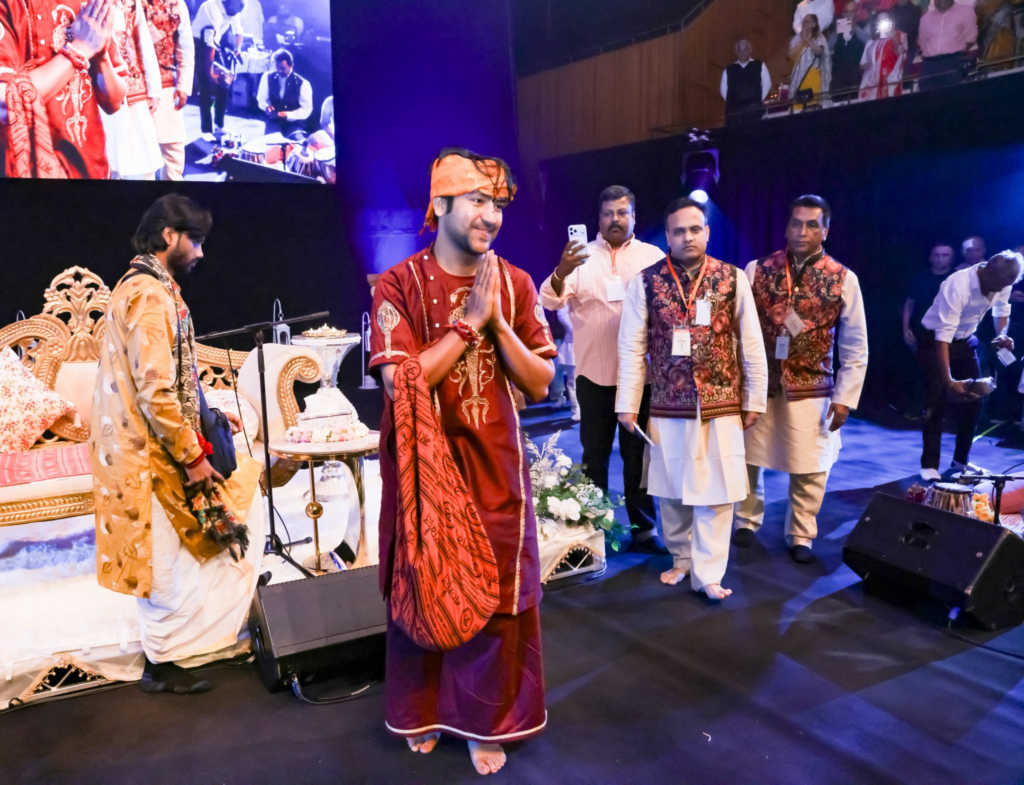
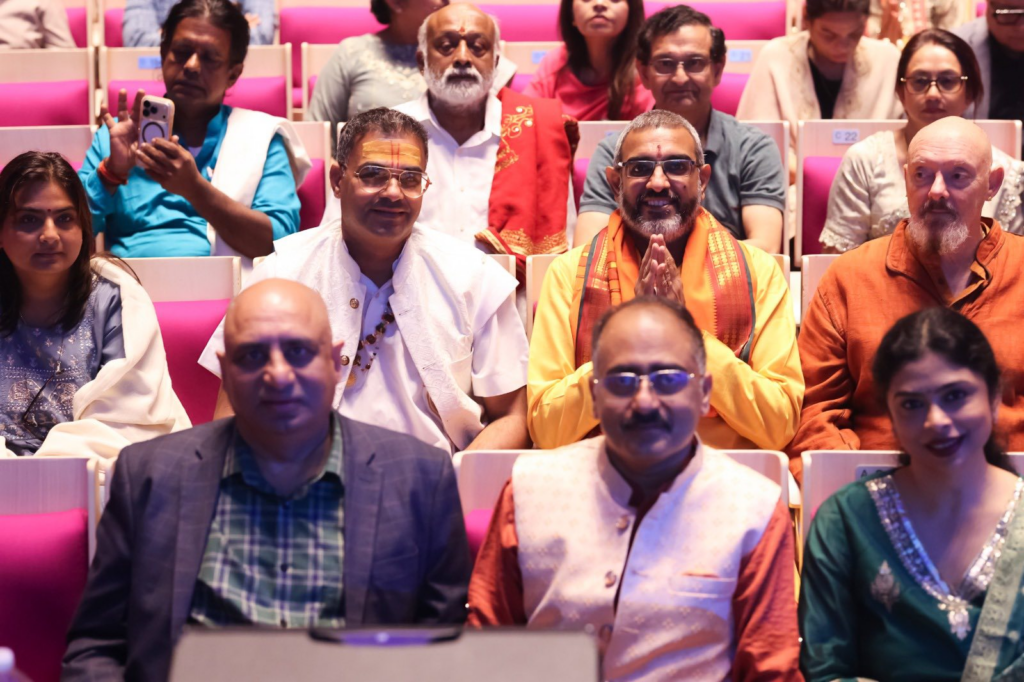
The event was open to all ages and positioned as a major diaspora-facing spiritual programme, underlining just how far Bageshwar Dham’s reach now extends beyond India.
That growing overseas footprint makes the FCRA approval far more than a routine regulatory step. It gives Bageshwar Dham a lawful route to receive support from followers abroad, including from countries such as Australia, where Shastri has been drawing significant crowds.
It also places the organisation inside one of India’s most closely watched compliance systems at a time when foreign funding rules are only getting tighter. Shri Bageshwar Jan Seva Samiti was among 38 organisations cleared by the Home Ministry to receive foreign funds this year.
Under the FCRA framework, registered entities must first receive foreign contributions through their designated FCRA account at SBI’s New Delhi main branch. They must maintain separate accounts, assets and records exclusively for foreign contributions, file annual FC-4 returns online, and upload certified financial statements, including income and expenditure, balance sheet and receipt and payment statements. The rules also cap administrative expenses at 20 per cent of foreign contribution and bar transfers of those funds to another association for any other purpose.
The registration is valid for five years, but that does not guarantee permanence. Official FCRA guidance states that once the five-year period ends, a registration is deemed to have ceased unless renewed, and organisations in that position are no longer permitted to receive or use foreign contributions. In other words, the approval gives Bageshwar Dham a legal pathway to international donations, but only so long as it remains within the reporting, banking and compliance rules laid down by the government.
The broader political backdrop makes the approval even more notable. The Foreign Contribution (Regulation) Amendment Bill, 2026, was introduced in the Lok Sabha on March 25 and seeks to further amend the 2010 law. According to PRS Legislative Research, the proposed changes include provisions dealing with how foreign contributions and assets may vest in a designated authority in cases involving surrender or cancellation of registration, showing that the centre is continuing to tighten its grip over the foreign funding ecosystem.
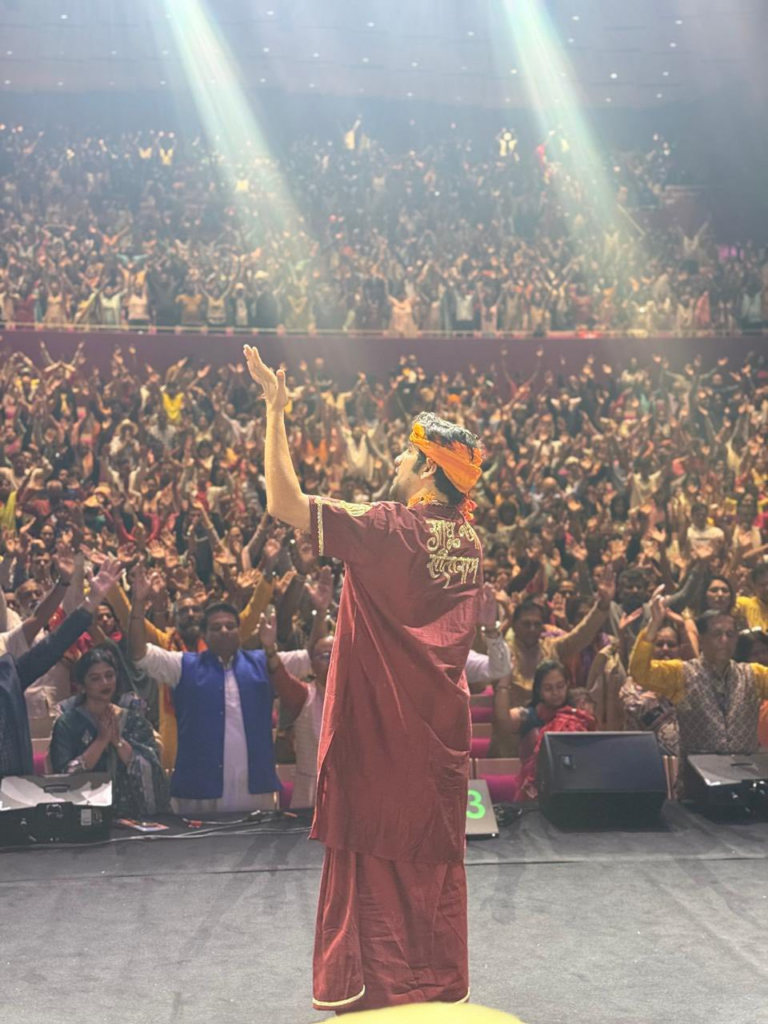
For Bageshwar Dham, the message is clear. Its international appeal is growing, its outreach is now visibly global, and its Australia stop showed the scale of interest it can generate among overseas devotees. But with FCRA approval now in hand, that global expansion enters a more formal phase, one defined not just by spiritual influence, but by legal accountability, financial scrutiny and strict regulatory oversight.
Support our Journalism
No-nonsense journalism. No paywalls. Whether you’re in Australia, the UK, Canada, the USA, or India, you can support The Australia Today by taking a paid subscription via Patreon or donating via PayPal — and help keep honest, fearless journalism alive.
