

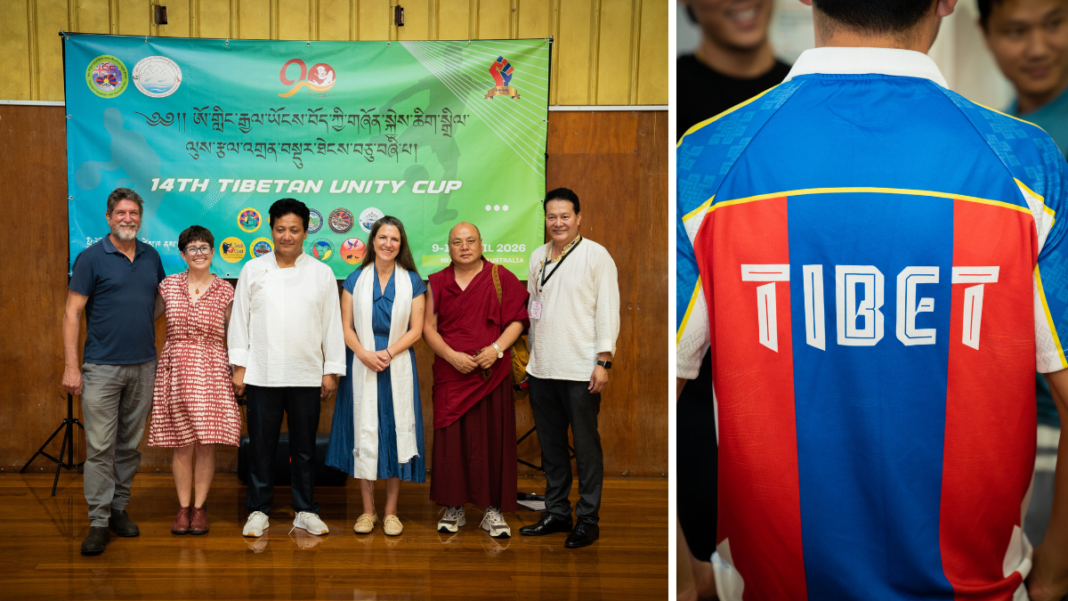
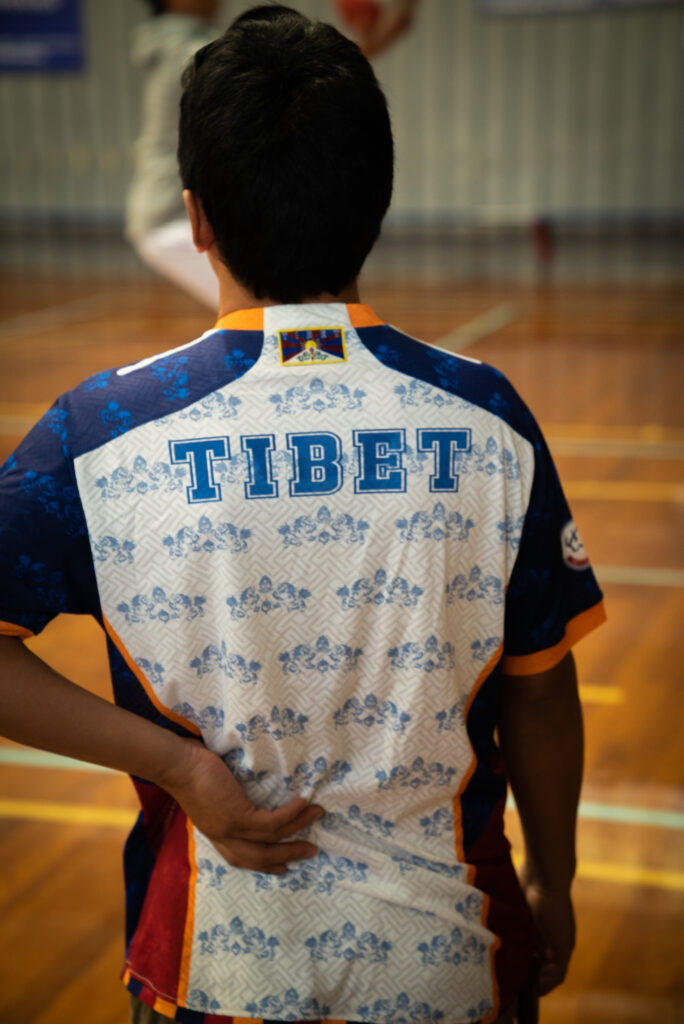
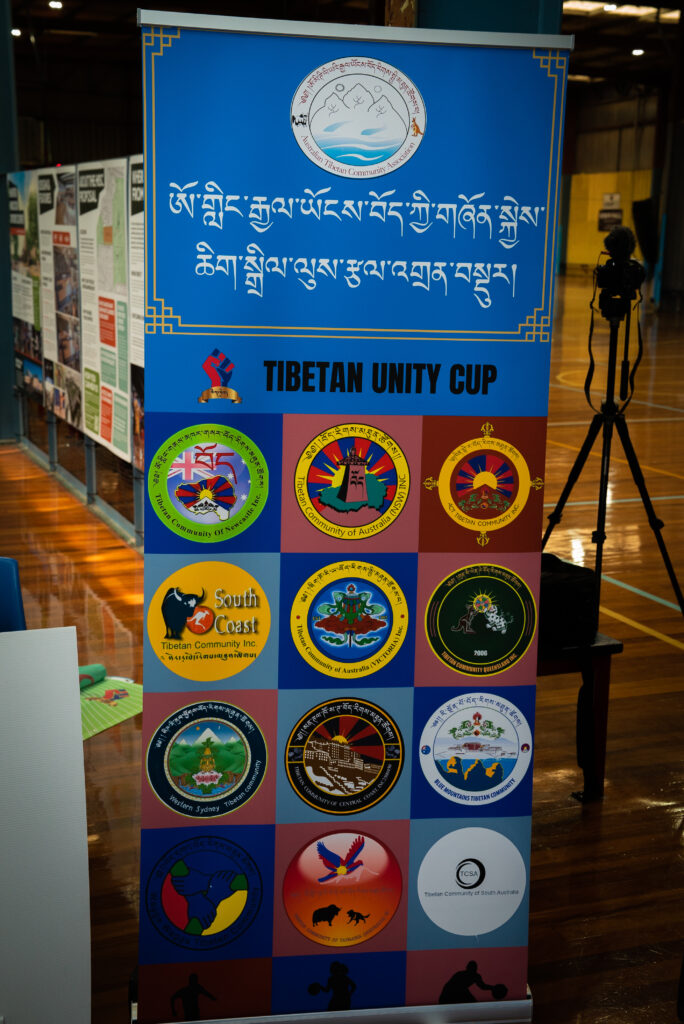
Tibetan youth and community members from across Australia gathered in Newcastle from 9–12 April 2026 for the 14th Australian Tibetan Youth Unity Cup Tournament alongside the 3rd Inter-Tibetan Weekend Language School Cultural Meet.
Held to commemorate the 90th birthday of the Dalai Lama and the “Year of Compassion,” the four-day event aimed to foster connection among young Tibetans by celebrating sport, culture and shared identity.
The Dalai Lama turned 90 on 6 July 2025, a milestone celebrated by Tibetans worldwide. Many communities continue holding cultural events, prayers and gatherings as part of ongoing tributes honouring his life and legacy.

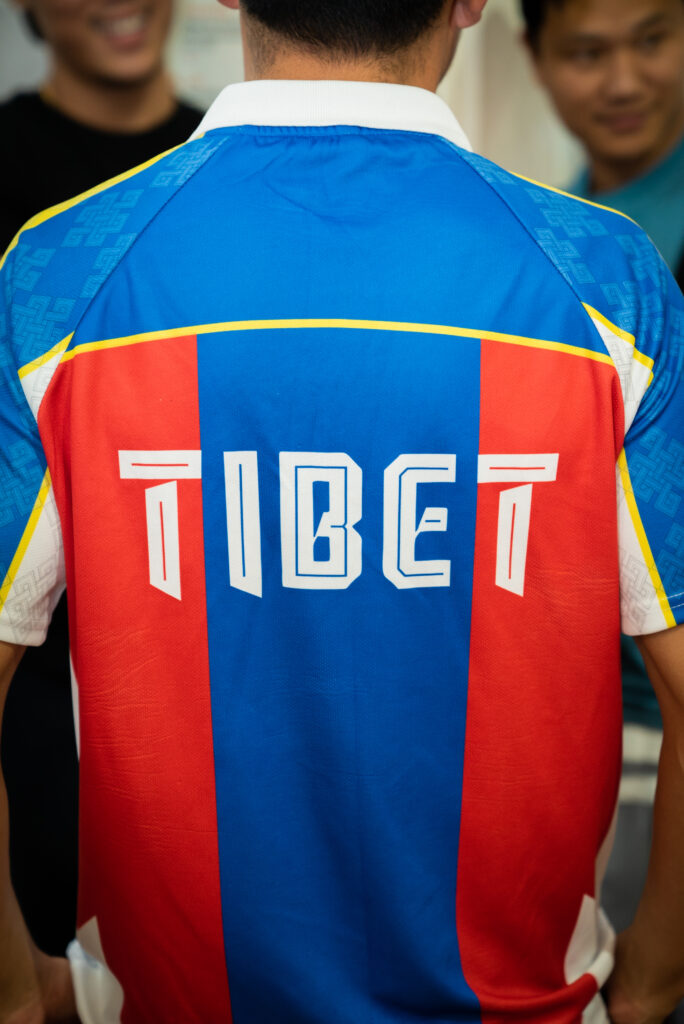
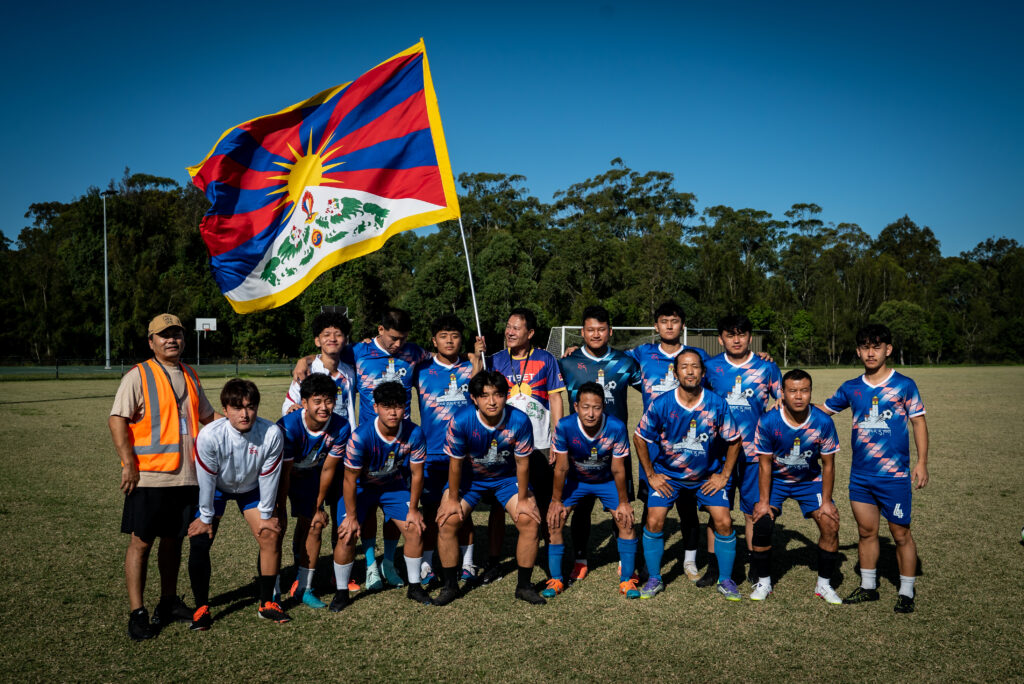
More than 160 participants took part, with 21 teams travelling from communities across New South Wales, Queensland, Victoria and the Australian Capital Territory. The competition featured five football teams and sixteen basketball teams. Sydney Hustle claimed the football title, while Sydney Cholsum and the Newcastle Chigdril girls’ team emerged as basketball champions.
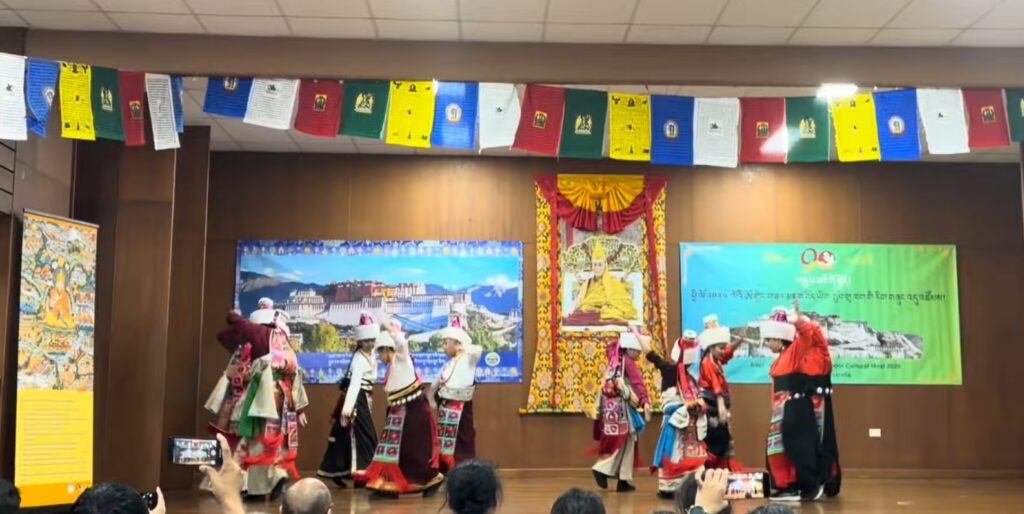
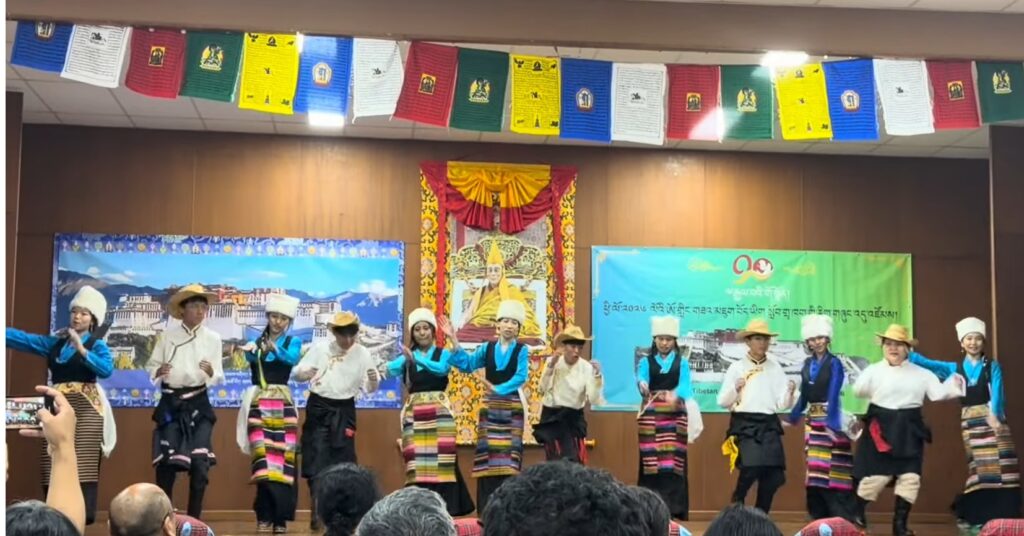
The cultural component, held on 11 April, brought students from weekend language schools together to perform traditional Tibetan songs and dances, offering a stage for young people to strengthen their cultural skills and confidence.
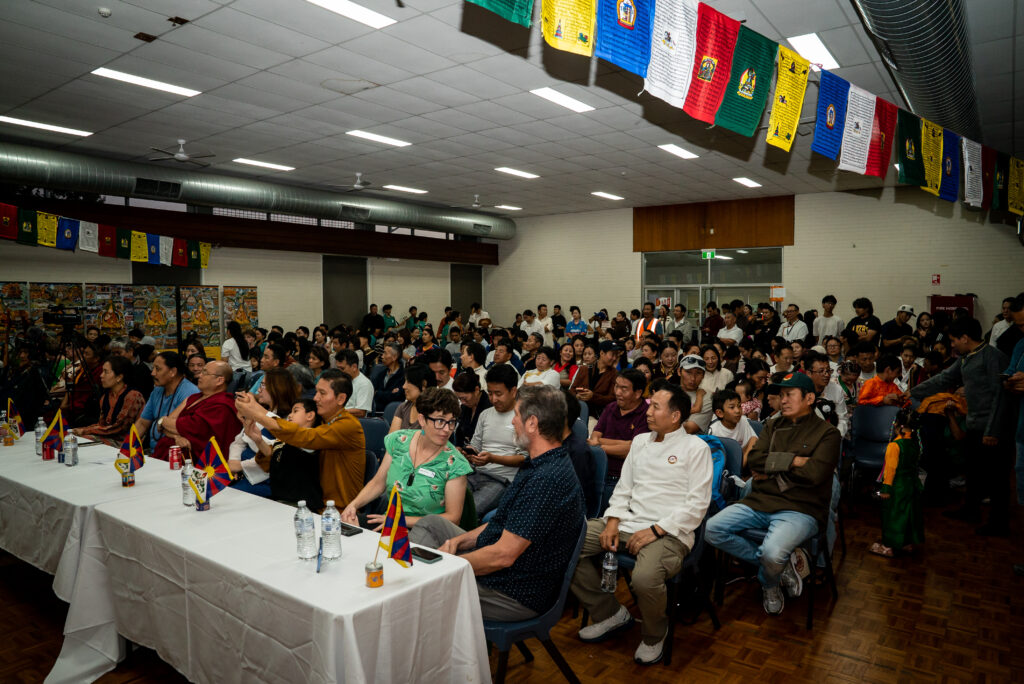
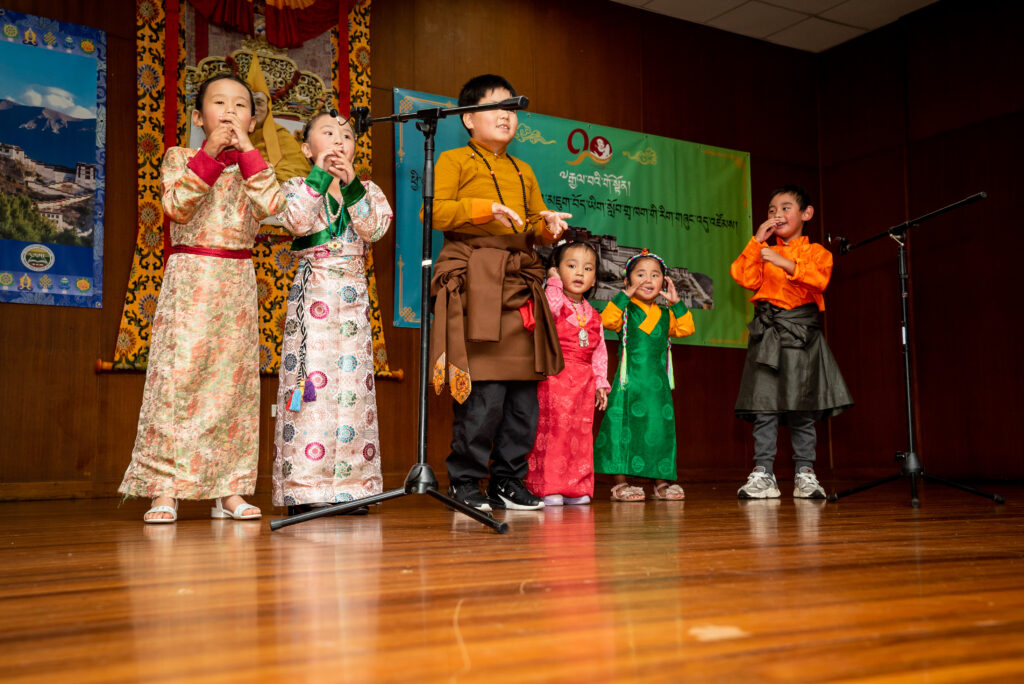

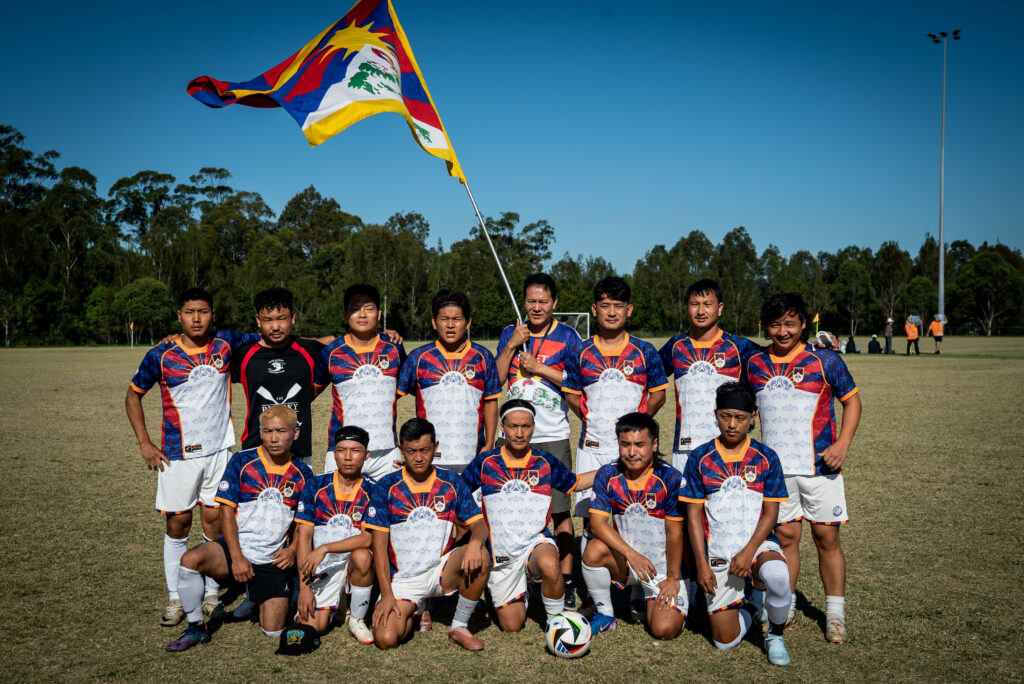
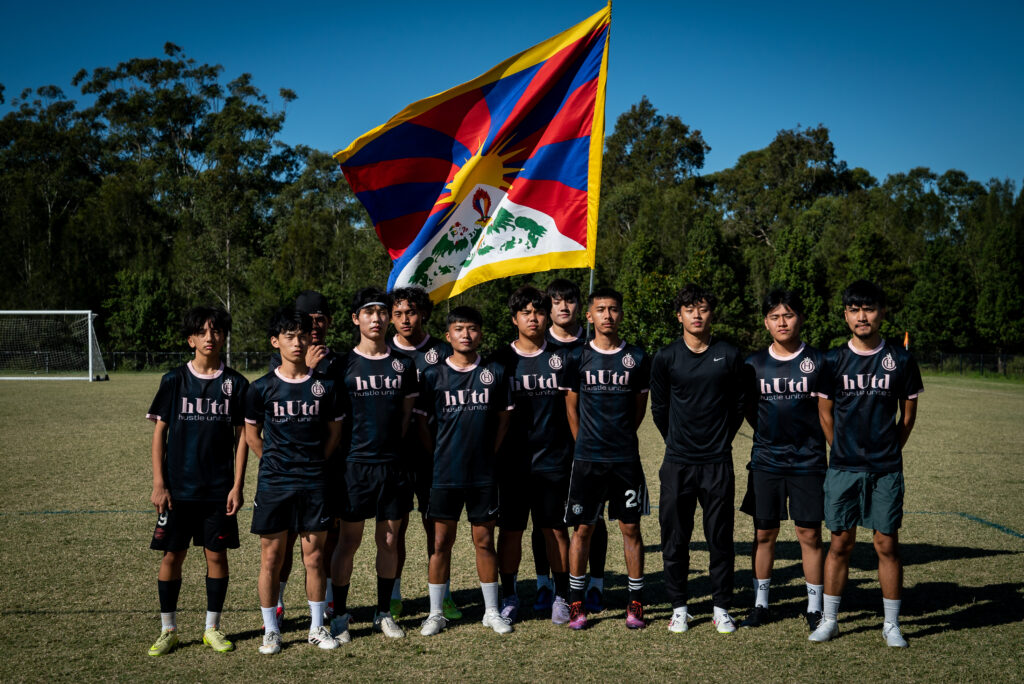

Guests included former Chief Justice Commissioner of the Central Tibetan Administration Sonam Norbu Dagpo, 17th Tibetan Parliament-in-Exile member Dhondup Tashi, and Representative Karma Singey.
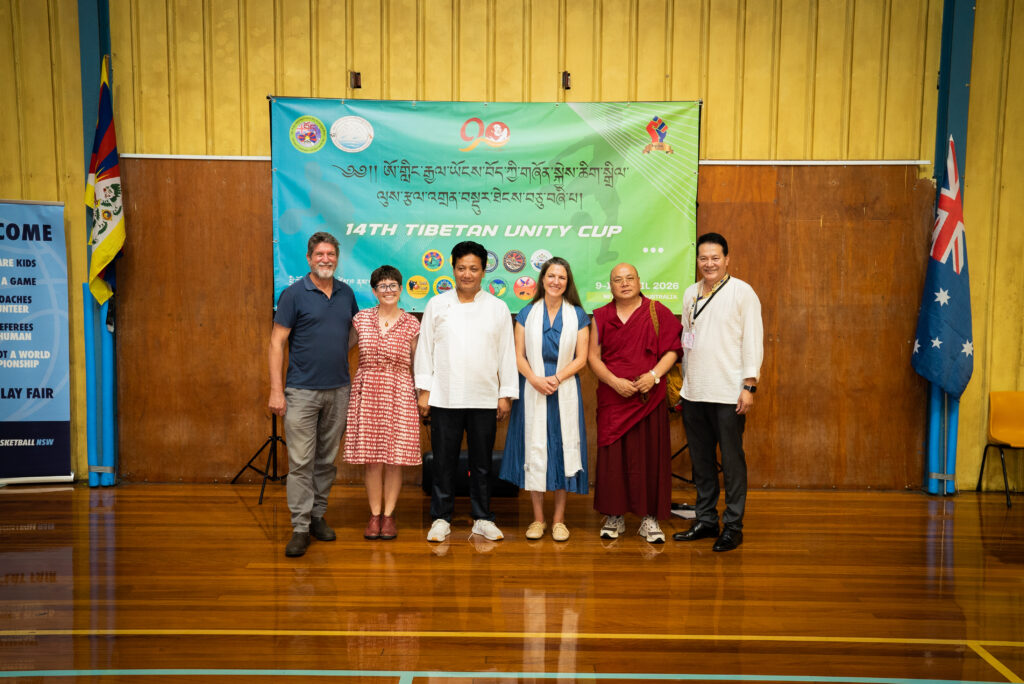
Addressing attendees, Karma Singey urged young Tibetans to stay connected to their heritage and continue preserving their language, identity and traditions, while thanking parents and educators for supporting the next generation.
This year’s Unity Cup and cultural meet were hosted by the Newcastle Tibetan community.
A brief history of Tibet
Tibet functioned as a self-governing state after the collapse of the Qing dynasty in 1912, with the 13th Dalai Lama proclaiming independence in 1913. In 1950–51, the newly established People’s Republic of China moved to assert control over the region, marking a turning point that continues to shape Tibet’s political status today.
Since the 1959 uprising, the 14th Dalai Lama and tens of thousands of Tibetans have lived in exile in India. Over the decades, this community has built vibrant institutions in education, culture and business, often cited as one of the world’s most successful and resilient refugee diasporas. Tibetans have never resorted to violence let alone terrorism to achieve their freedom, so far, even though they have lived in occupation for over 70 years.

The global Tibetan exile population is generally estimated at around 150,000 people worldwide. The largest community lives in India, which hosts roughly 85,000–100,000 Tibetans, according to figures from the Tibetan administration in exile and humanitarian organisations.
The political and cultural centre of the Tibetan diaspora is Dharamshala, India, where the Central Tibetan Administration is based. Dharamshala is widely regarded as the capital of the Tibetan government-in-exile and the hub of Tibetan political, cultural and religious life outside Tibet.
Smaller Tibetan communities also live in Nepal, Bhutan, Europe, North America and Australia, but India remains home to the overwhelming majority of Tibetan refugees.
Tibet’s history stretches back thousands of years. It is referenced in the ancient Hindu epic the Mahabharat, the world’s longest literary work and poem written till date. Scholarly chronologies place the epic in deep antiquity, with some dating it as far back as 5500 BC (7500 years ago) based on archaeo-astronomical observations.

The first major Tibetan Empire (7th–9th century), according to current understanding, emerged when Songtsen Gampo unified much of the Tibetan Plateau, established Lhasa as the capital, developed the Tibetan script (influenced by Indian Brahmi), and helped Buddhism take root under royal patronage. Over the 7th and 8th centuries, Tibet grew into one of Asia’s major powers, extending its influence into parts of Central Asia, western China and key Silk Road routes.
Support our Journalism
No-nonsense journalism. No paywalls. Whether you’re in Australia, the UK, Canada, the USA, or India, you can support The Australia Today by taking a paid subscription via Patreon or donating via PayPal — and help keep honest, fearless journalism alive.
