

Western Australians lost more than $24 million to scams last year, with criminals increasingly using stolen personal data and sophisticated tactics to trick victims, according to the latest WA ScamNet Year in Review report.
Commerce Minister Dr Tony Buti said scammers are increasingly impersonating banks, government agencies, or trusted brands, often through SMS, email, or phone calls. About 27 per cent of reported scams involved phishing, where fraudsters pose as legitimate organisations to obtain personal information.
The report, compiled by WA ScamNet as part of the Department of Local Government, Industry Regulation and Safety’s Consumer Protection division, found that phishing and hacking scams caused $2.1 million in losses, while investment scams accounted for $13.7 million. Dating and romance scams resulted in $3.8 million in losses, and fraudulent charities cost victims a further $2 million.
AI and data breaches are emerging as tools in bank impersonation scams. In 2025, 20 victims lost a total of $257,819 to such scams, with $93,000 already reported so far in 2026. One Perth resident lost $4,541 after a caller claiming to be from her bank’s fraud department urged her to take urgent action. The caller appeared highly convincing, using an Australian accent and personal details likely obtained through a data breach.
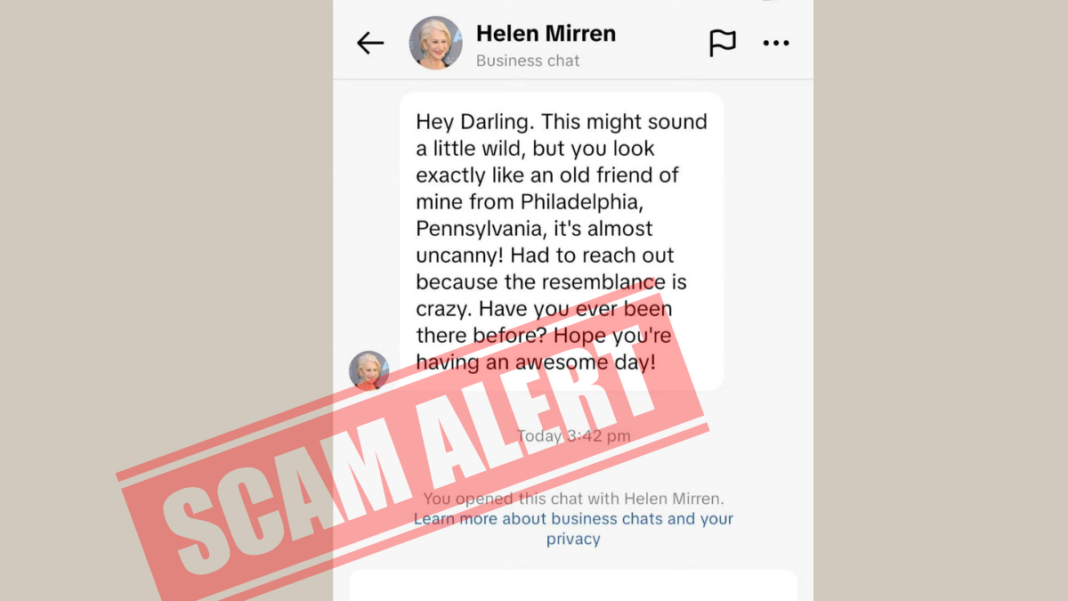
Premier Roger Cook used the incident to warn Western Australians about the growing sophistication of online scams, saying even public figures were not immune.
“I wish I could say Helen and I go way back, but unfortunately, this is just another scammer.”
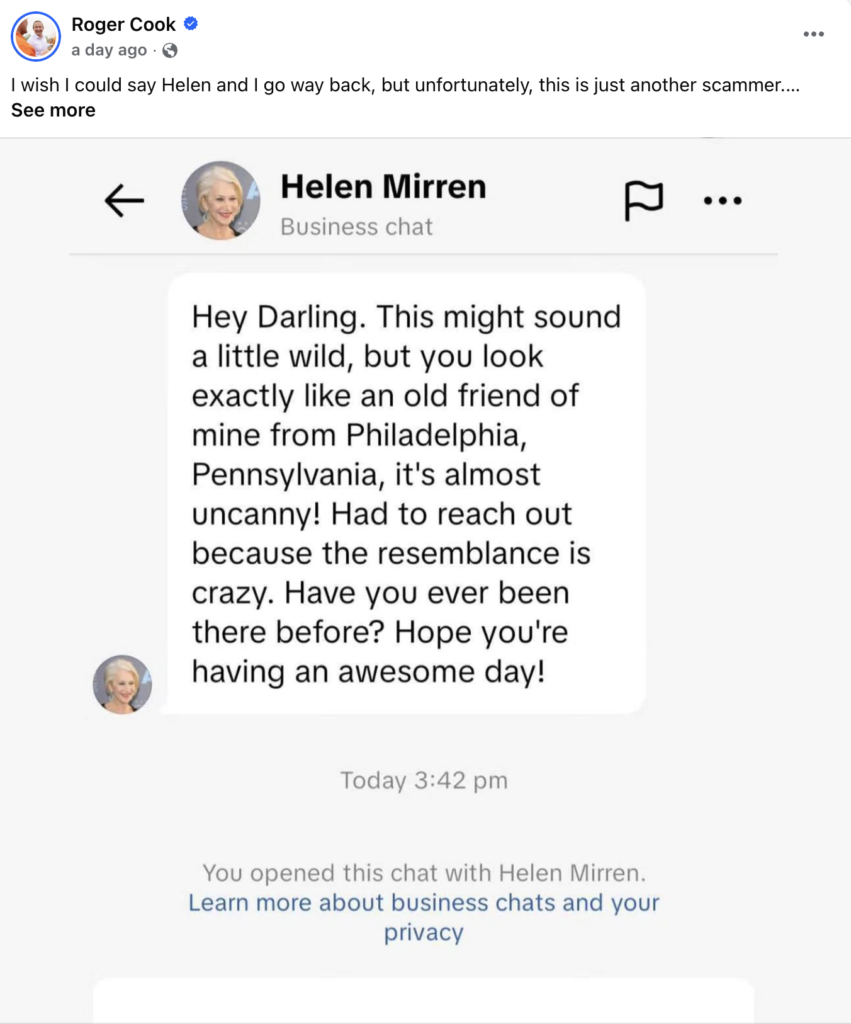
Citing WA ScamNet’s latest report, Cook said scammers were increasingly using stolen personal data to manipulate victims into handing over money. He urged people to stop and speak to someone they trust before sharing personal information or transferring money.
He also warned against clicking on suspicious links or attachments in emails and said people should never take investment advice from an online contact.
“Talk to someone you trust, report suspicious behaviour, and contact your bank immediately if money has been sent,” he said, adding that more advice was available through the ScamNet WA website.
Premier Roger Cook
Employment-related scams also increased, with scammers posing as employers and requesting staff purchase gift vouchers. The report identified more than 30 scams involving blackmail, in which victims were threatened with the release of personal images or data unless they paid money.
While the total amount stolen remains significant, the report noted a 12 per cent decline in financial losses compared with 2024.
Dr Buti urged Western Australians to secure their digital accounts, protect personal information, and exercise caution online. “With large-scale data breaches happening more frequently, cybercriminals can obtain names, contact details, and bits of account data that make their scams far more convincing,” he said.
He advised residents to pause and seek advice from trusted contacts before sharing personal information or transferring money, avoid clicking links or attachments in unsolicited emails, and never rely on investment advice from online contacts. Suspicious activity should be reported to banks immediately.
Support our Journalism
No-nonsense journalism. No paywalls. Whether you’re in Australia, the UK, Canada, the USA, or India, you can support The Australia Today by taking a paid subscription via Patreon or donating via PayPal — and help keep honest, fearless journalism alive.
