

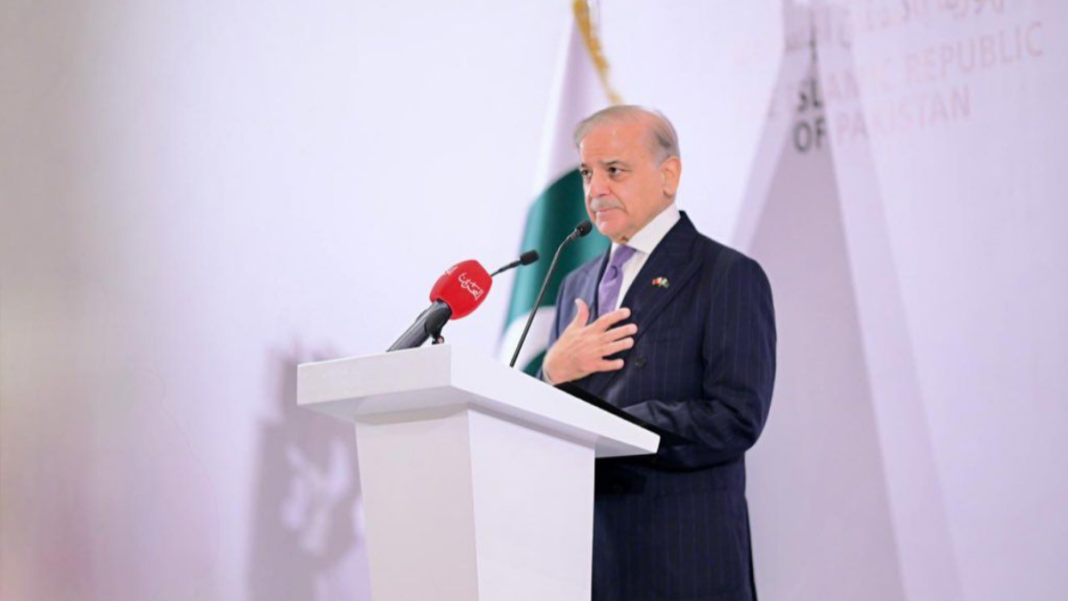
In diplomacy, perception often carries as much weight as reality. And right now, Pakistan’s position in one of the world’s most volatile geopolitical theatres is raising uncomfortable questions given its long history of association with terrorism and its precarious economic situation.
The recent two-week pause in tensions involving Iran and the United States has been framed, in part, as a product of backchannel diplomacy. Pakistan, with its geographic proximity and long-standing ties to Tehran, has reportedly played a role in relaying messages between the two sides. On the surface, this appears to be a constructive intervention but beneath that narrative lies a more complicated—and sharply contested—picture.
Emirati Strategic and Political Affairs expert, Amjad Taha, delivered a blistering assessment, arguing that “Pakistan kept the Islamic terrorist regime in Iran alive” and warning that “you don’t trust terrorists or negotiate with them.”
Taha’s remarks, while highly charged, reflect a broader unease among some Gulf observers who question whether Pakistan’s diplomacy is guided by principle or expediency.
British activist Tommy Robinson also weighed in, saying he does not trust a country that once provided refuge to Osama bin Laden, reflecting wider scepticism about Pakistan’s credibility.
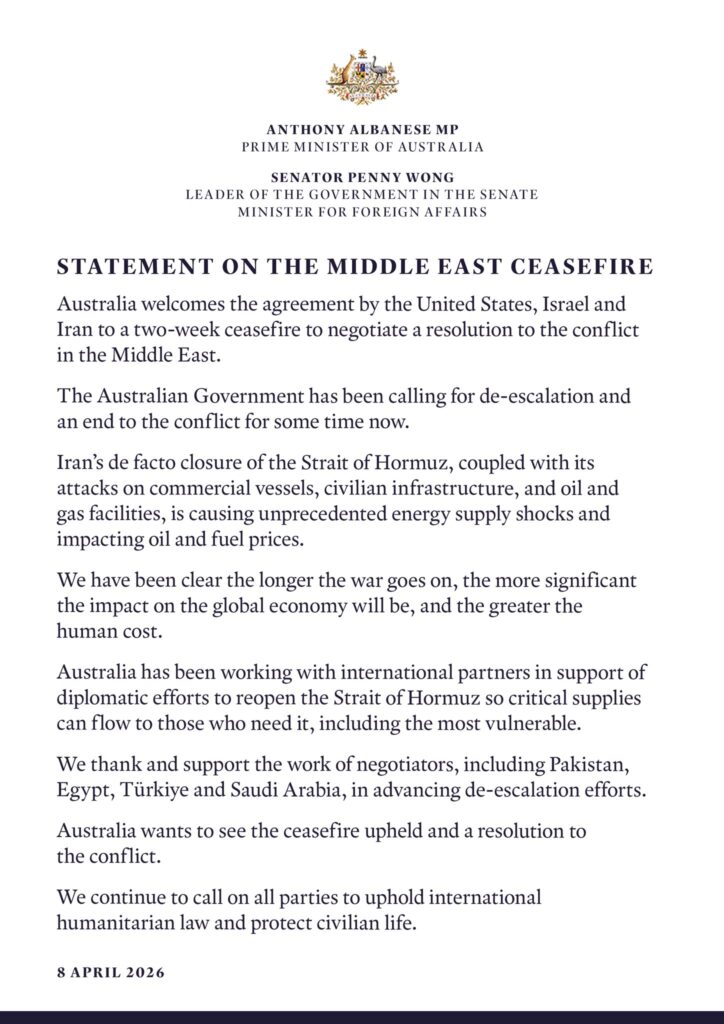
That scepticism, however, is not universally shared. Australia, for instance, has struck a more measured tone. Prime Minister Anthony Albanese welcomed the ceasefire as a step towards de-escalation, emphasising that prolonged conflict risks deepening global economic shocks—particularly through disruptions in the Strait of Hormuz—and increasing the human toll. He acknowledged ongoing diplomatic efforts and expressed support for negotiators, including Pakistan, while urging all parties to uphold international humanitarian law and protect civilian lives.
French President Emmanuel Macron said he had spoken with both Iranian President Massoud Pezeshkian and former US President Donald Trump, describing their agreement to a ceasefire as “the best possible decision.”
Macron stressed that the truce must be fully respected across all fronts to remain credible and expressed hope it would lead to broader negotiations addressing Iran’s nuclear and missile programmes, regional actions, and disruptions in the Strait of Hormuz, adding that such steps are essential to building a durable peace with international support.
The balancing act is not new. Pakistan maintains a “brotherly” relationship with Iran, while also holding deep strategic and defence ties with Gulf nations—particularly Saudi Arabia. Yet when Iran launched attacks affecting regional interests, Islamabad’s defence commitments appeared notably restrained, raising questions about consistency.
At the same time, Pakistan’s engagement with Washington adds another layer of ambiguity, especially after the very public and cringeworthy flattery of Donald Trump by Pakistani Prime Minister Shehbaz Sharif and reports of Trump-family crypto ventures intersecting with Pakistani interests.
Adding to this intrigue is the controversy surrounding a reportedly drafted social media post attributed to Sharif. It suggests Islamabad may have been taking orders and echoing external directives rather than independently steering diplomatic efforts.
It is also being reported that Pakistan is merely a pawn in this long game. The idea of a temporary pause—linked to reopening the Strait of Hormuz—was driven by proposals from the team of President Donald Trump, even as Washington simultaneously escalated pressure on Tehran with threats of further military action.
Today, Trump underscored the conditional nature of the negotiations, stating:
“There is only one group of meaningful ‘points’ that are acceptable to the United States, and we will be discussing them behind closed doors during these negotiations.”
Amid questions surrounding the ceasefire announcement by Pakistan’s Foreign Minister, Iran’s position has remained firm. Iranian Foreign Minister Seyed Abbas Araghchi said the terms of the truce were “clear and explicit,” warning that the United States must choose between de-escalation and continued conflict. He stated:
“The U.S. must choose—ceasefire or continued war via Israel. It cannot have both… The ball is in the U.S. court, and the world is watching whether it will act on its commitments.”
Meanwhile, the fragile truce, meant for two weeks, appears to have already faltered, with reports of violations emerging across parts of the conflict zone. Mediator Prime Minister Sharif acknowledged the breaches, warning they risk undermining the peace process.
To be fair, mediation in conflicts of this scale is rarely straightforward. Countries often operate within constraints—balancing alliances, managing domestic pressures, and avoiding escalation. Pakistan’s Foreign Minister, Ishaq Dar, acknowledged as much, noting that Islamabad was still attempting to “manage things” even as the situation deteriorated.
But intent alone does not guarantee credibility.
In the end, credibility in international diplomacy is not declared; it is demonstrated. And as the ceasefire holds—however tenuously—the question remains: Is Pakistan a trusted intermediary—or simply a messenger in a game it has no control over?
Support our Journalism
No-nonsense journalism. No paywalls. Whether you’re in Australia, the UK, Canada, the USA, or India, you can support The Australia Today by taking a paid subscription via Patreon or donating via PayPal — and help keep honest, fearless journalism alive.
