

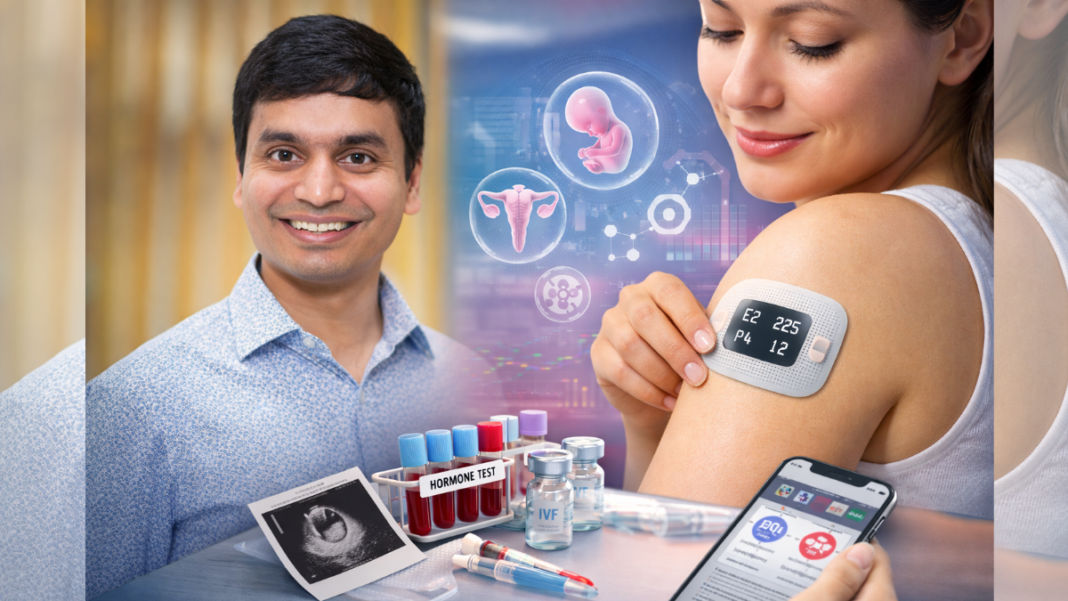
Prof. Sharath Sriram and his team are helping to transform fertility care with a wearable sensor that could make hormone monitoring during IVF treatment simpler, pain-free, and accessible from home.
An accomplished and distinguished science and research leader, Prof. Sriram is the fourth and current Chief Scientist of Western Australia.
He is renowned for creating and delivering breakthrough technologies in nanoelectronics, sensors, and medical technologies. He is a prominent figure in the scientific community. His work focuses on translating advanced technology for healthcare applications, effectively bringing science fiction to reality.

Building on Prof. Sriram’s groundbreaking work at RMIT University, Melbourne startup Symex Labs is developing a sensor patch capable of detecting key hormones—progesterone and oestradiol—through the skin.
The device aims to eliminate the need for multiple blood draws at clinics, enabling women undergoing IVF to monitor hormone levels from home conveniently.
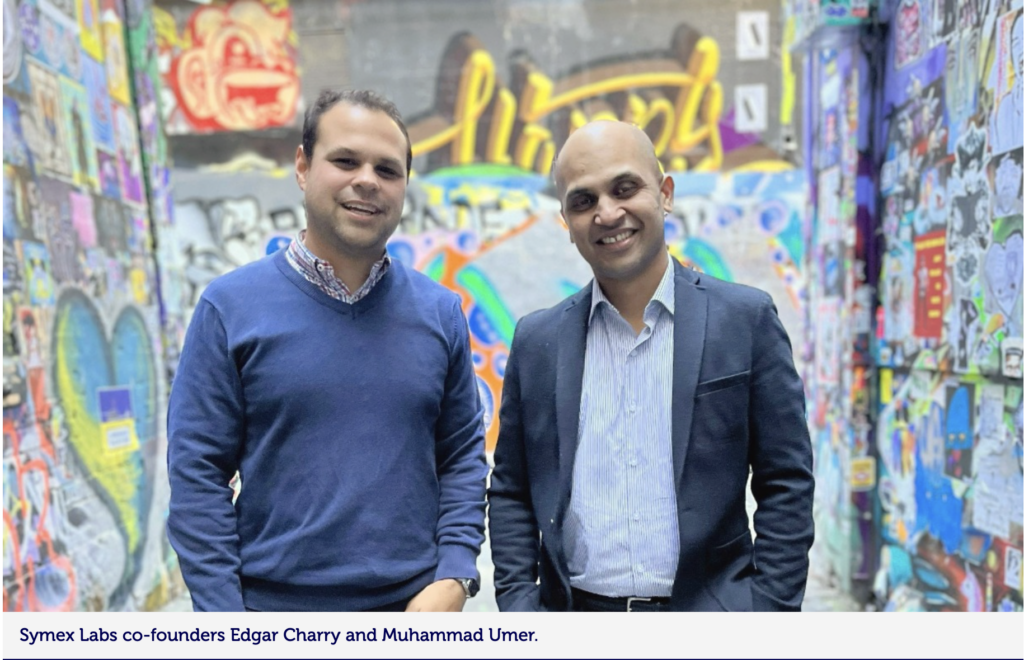
“Our biosensor will eventually be worn as a patch that uses microscopic microneedles to access hormones in the patient’s interstitial fluid,” said Symex co-founder Edgar Charry.
“The hormones bind to the sensor, producing an electrical signal that informs IVF clinicians if the patient is ready for embryo transfer.”
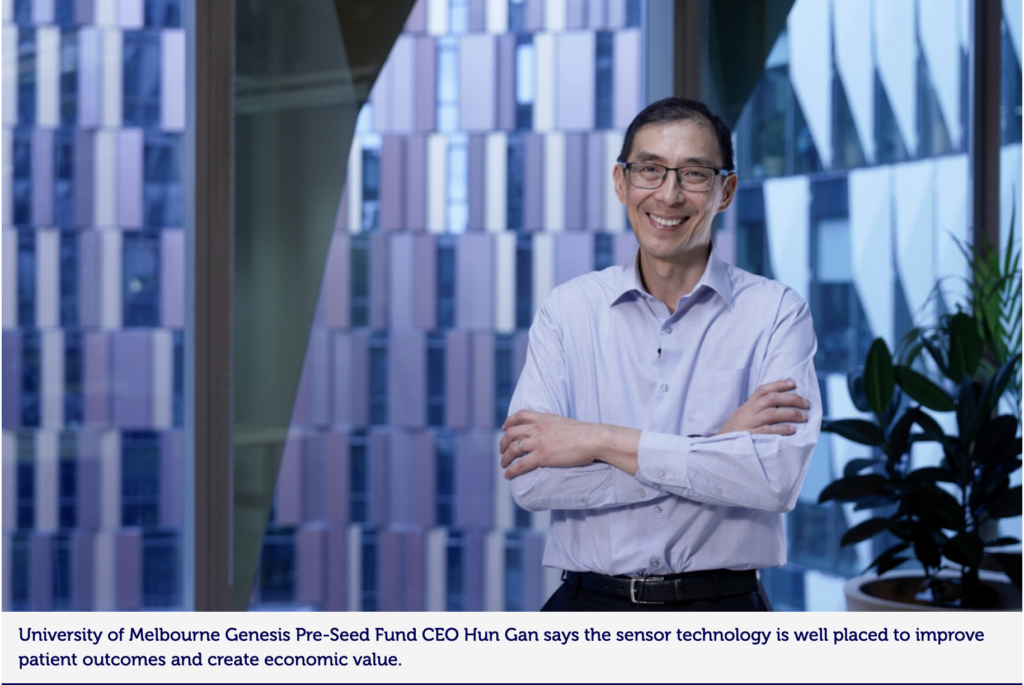
The technology is supported by $2.5 million in funding from the Federal Government, the University of Melbourne’s Genesis Pre-Seed Fund, Monash IVF, RMIT, and Breakthrough Victoria, through its $100 million University Innovation Platform initiative.
Monash IVF Research Director Mark Green said the sensor could save patients time, money, and stress, particularly for those in regional areas who currently travel long distances for blood tests.
The device also has potential applications beyond IVF, including monitoring polycystic ovary syndrome, perimenopause, and menopause.
Symex co-founder Muhammad Umer noted the sensor could integrate with consumer health apps, offering personalised, real-time hormone tracking.
RMIT Deputy Vice-Chancellor Research and Innovation Distinguished Prof. Calum Drummond said the project exemplifies research with real-world impact, turning foundational science into solutions that benefit thousands of Australians.
The first in-human pilot study is expected within 18 months, with commercialisation slated for early 2028.
Support our Journalism
No-nonsense journalism. No paywalls. Whether you’re in Australia, the UK, Canada, the USA, or India, you can support The Australia Today by taking a paid subscription via Patreon or donating via PayPal — and help keep honest, fearless journalism alive.
