

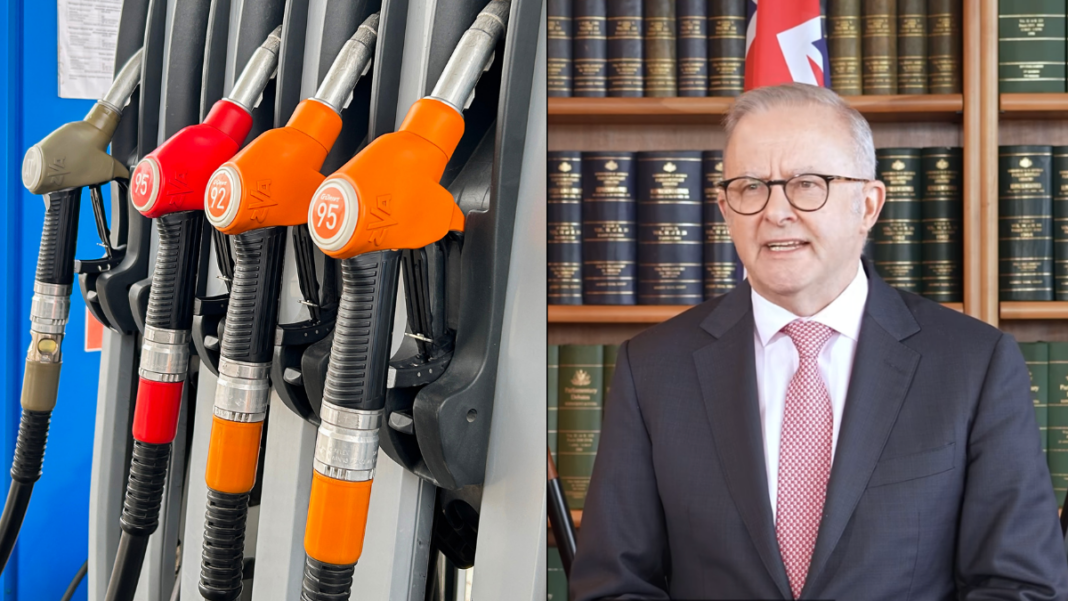
Former Australian Energy Regulator chief Anthea Harris to head a new national fuel supply taskforce, as Canberra moves to tighten coordination with the states and territories and the ACCC escalates its scrutiny of diesel supply and pricing during the Middle East conflict.
Prime Minister Anthony Albanese announced the appointment after a National Cabinet meeting, describing the taskforce as a “sensible measure” amid growing concern that a prolonged conflict could further disrupt fuel markets and domestic distribution.
Harris, who previously led the AER and before that served as chief executive of the Energy Security Board and deputy secretary of Victoria’s energy group, will work from the Department of the Prime Minister and Cabinet and coordinate with state and territory representatives on “fuel supply and national resilience”.
Under the government’s plan, the Fuel Supply Taskforce will act as a central coordination point across portfolios and jurisdictions, providing regular updates on national fuel supply, domestic distribution and planning, while helping states move fuel into regions where demand is strongest.
Albanese said the Commonwealth remained responsible for national fuel security while states and territories oversaw distribution within their borders. He said Australia was “well prepared”, but added that he wanted the country to be “over-prepared” for any further shocks.
In the government’s announcement, Albanese said Harris was “the right person” to lead the work across governments and reassure Australians that supply would remain resilient.
“I want to reassure Australians – Australia is well prepared,” he said.
“Our fuel supply is currently secure – but I want us to be over-prepared.”
The appointment comes as the ACCC launched an enforcement investigation into allegations of anti-competitive conduct by Ampol, BP, Mobil and Viva Energy over diesel availability to independent wholesalers and distributors serving regional and rural Australia.
ACCC chair Gina Cass-Gottlieb said the watchdog had received reports about diesel supply problems and was investigating the matter urgently, warning that the regulator would not hesitate to act if competition or consumer laws had been breached.
That investigation follows an emergency fuel meeting convened by the ACCC this week, where motoring groups and major suppliers were pressed over rapid price spikes and supply problems, particularly outside the capitals. The commission said independent suppliers in regional areas were a crucial part of the market and needed to receive adequate allocations from major companies if supply disruptions were to be contained.
Fuel security has become a sharper political and economic issue since the war in the Middle East disrupted shipping through the Strait of Hormuz, a route that carries roughly a fifth of global oil trade.
Minister Bowen said, Oil shipments to Australia are still arriving as scheduled, and the industry expects that to continue in the near term, but the picture beyond the next month remains uncertain. Petrol prices in Australia’s five largest cities averaged about $2.19 a litre last week, while diesel was above $2.40 a litre on average.
Albanese has also tried to calm fears of a broader domestic shortage, arguing recent localised disruptions were being driven more by demand than by a collapse in supply.
He said that the government’s priority was to make sure distribution bottlenecks were addressed quickly.
“There is not less fuel in Australia today than there was three weeks ago,”
The government says it has already released part of its emergency stockpile, temporarily lowered fuel standards so more refinery output can stay onshore, and increased pressure on petrol retailers over pricing behaviour.
In the official announcement, Climate Change and Energy Minister Chris Bowen said Australia had entered the current period of uncertainty “better prepared than before”, pointing to fuel reserves now held onshore, investment in local refineries and recent action on regional shortages.
He said the appointment of Harris was “the next step in preparing and responding to the supply chain challenges coming from overseas”.
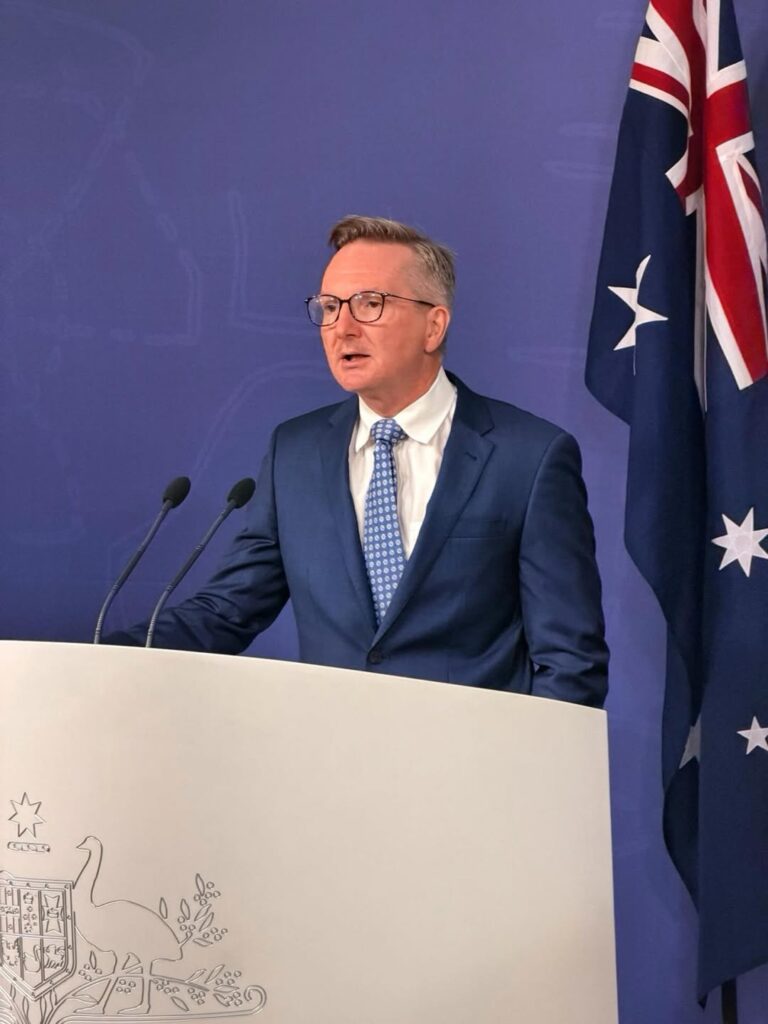
Bowen also said petrol and diesel were still arriving in Australia at normal rates, both domestic refineries were operating at full capacity, and all locally produced fuel was being retained in Australia.
But he warned that
“supply chain challenges will continue to unfold from the conflict in the Middle East, and demand levels remain very high”.
The fuel task force is expected to become the government’s main coordinating mechanism as pressure builds on supply chains in the weeks ahead. The Albanese government has flagged further measures to strengthen fuel resilience, while the ACCC is due to expand its fuel monitoring updates to include 190 regional locations from this week.
Support our Journalism
No-nonsense journalism. No paywalls. Whether you’re in Australia, the UK, Canada, the USA, or India, you can support The Australia Today by taking a paid subscription via Patreon or donating via PayPal — and help keep honest, fearless journalism alive.
