

Nepal’s anti-establishment Rastriya Swatantra Party (RSP) is on track to form a government after a sweeping performance in the country’s first parliamentary election since the 2025 youth-led uprising that toppled then-prime minister KP Sharma Oli, with supporters celebrating across the country by ringing bells, the party’s election symbol, as counting continues.
Early and mid-count results published by Nepal’s Election Commission and local media indicate the RSP has not only overtaken Nepal’s traditional power blocs — including the Nepali Congress and communist factions — but is threatening to secure an outright majority in the 275-seat House of Representatives, a threshold of 138 seats.
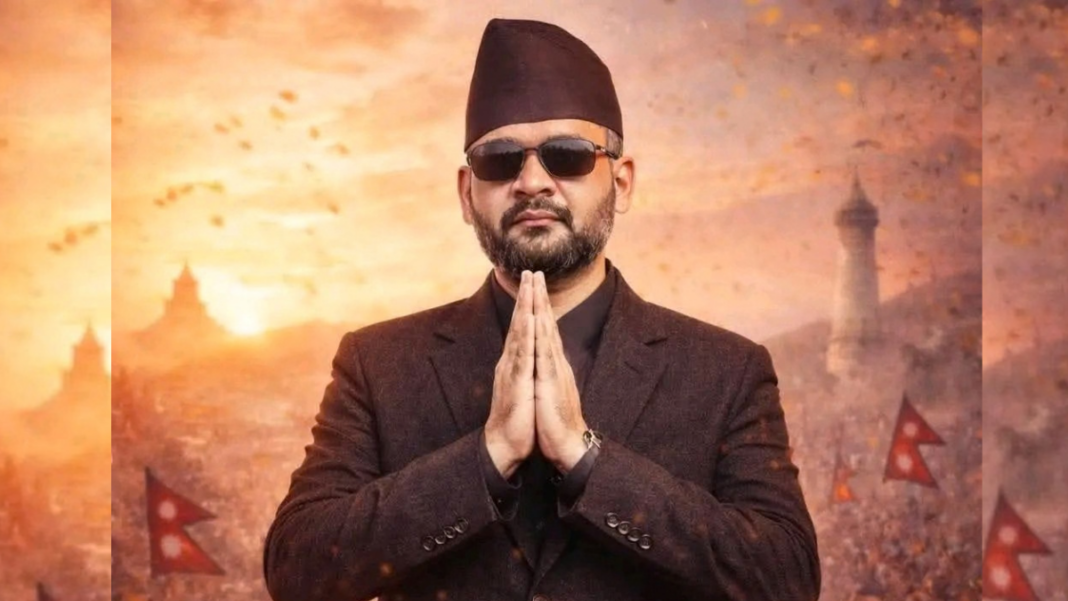
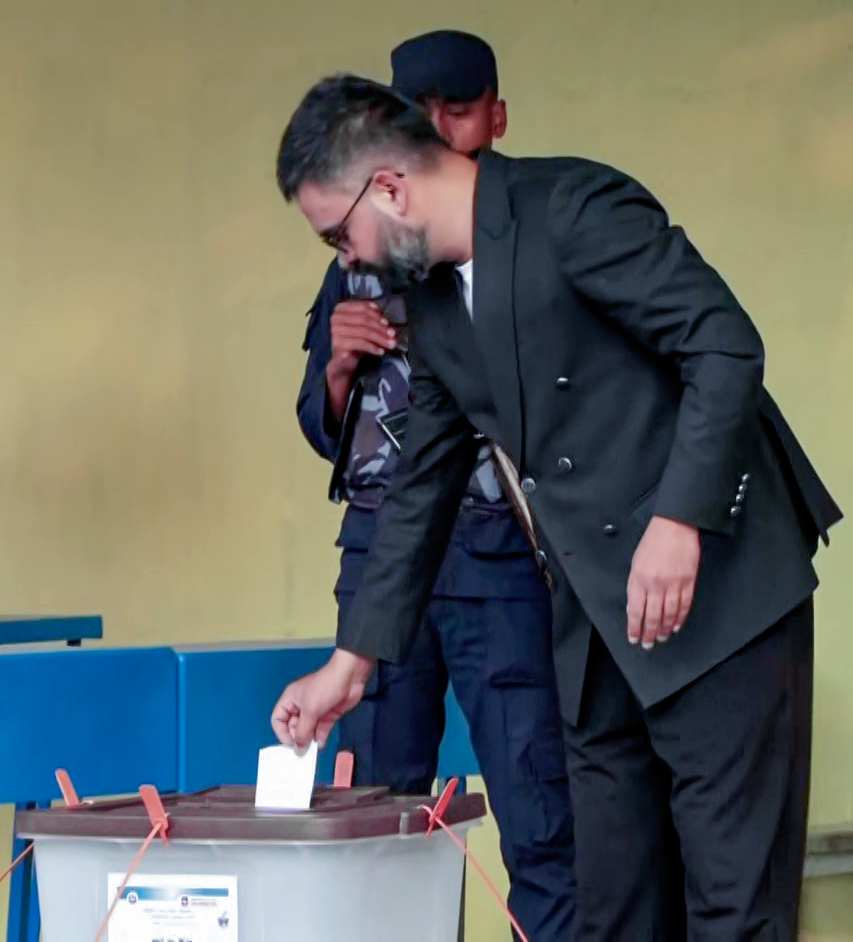
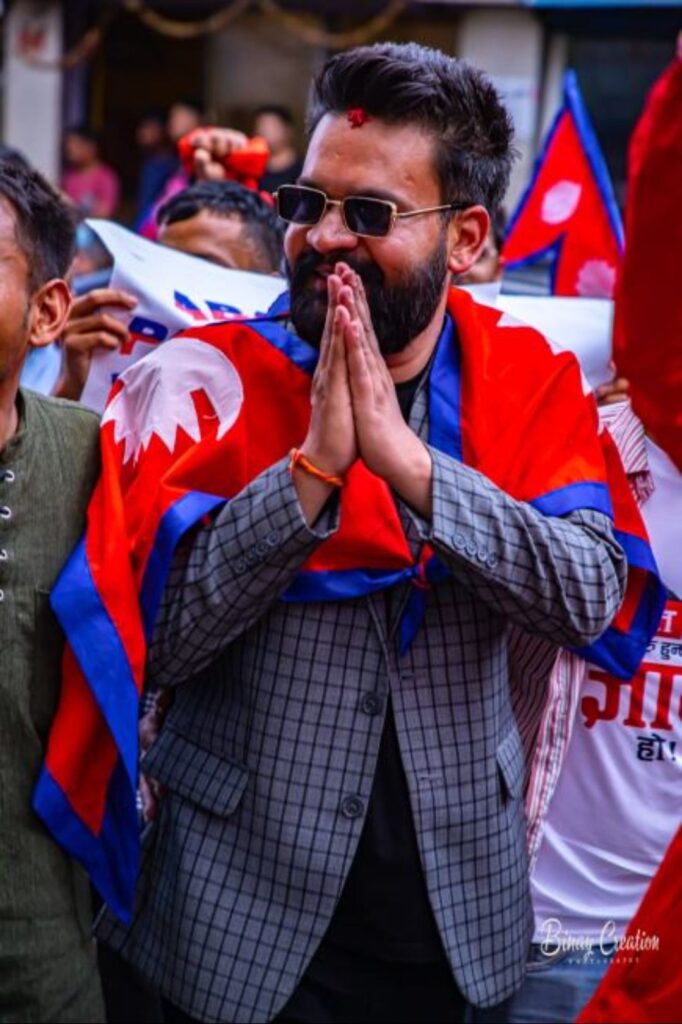
At the centre of the upheaval is Balendra “Balen” Shah, 35, the former Kathmandu mayor and rapper-turned-politician who became the face of the post-protest movement and is widely being framed as the party’s prime ministerial candidate. Shah delivered the election’s most symbolic upset in Jhapa-5, defeating four-time former prime minister KP Sharma Oli by a record margin. Local outlet Onlinekhabar reported Shah polled 68,348 votes to Oli’s 18,734.
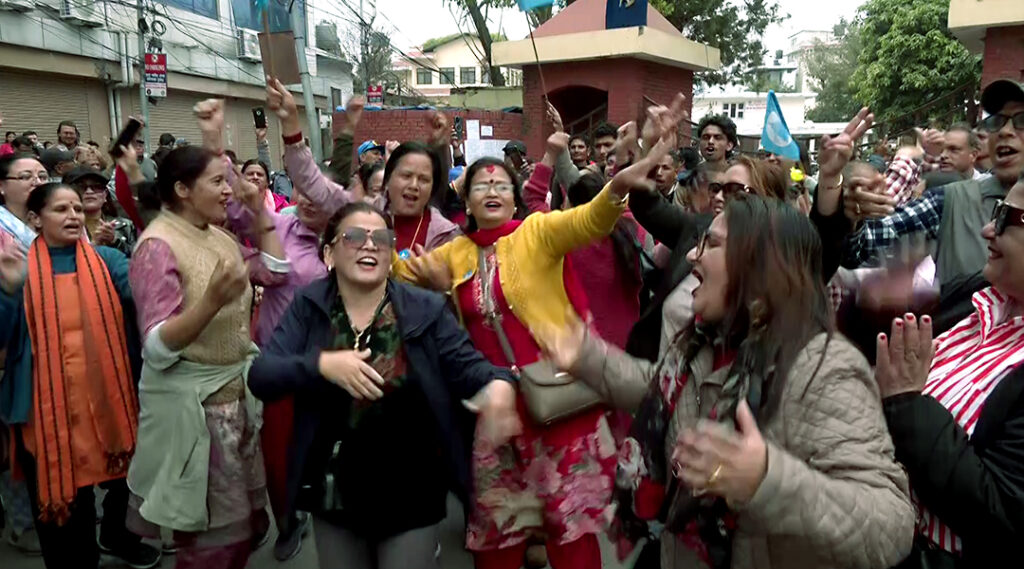
The victory has triggered scenes of celebration outside counting centres and across Kathmandu, with RSP supporters chanting and dancing to campaign songs and using phones and handbells to replicate the “ghanti” (bell) symbol that has become synonymous with the party’s rise. Nepali Times described bells ringing “all over Nepal” as voters “throw out the old parties”, while Onlinekhabar reported the “ringing bell” campaign has gone viral during the election season.
RSP leaders have claimed the party is within reach of a rare two-thirds majority. Speaking to ANI, party figure Dol Prasad Aryal said the RSP was expecting to secure 186 seats once both direct and proportional results are finalised. “One hundred and eighty-six… in total we are expecting one hundred and eighty-six seats,” he said, an outcome that would exceed the two-thirds threshold in the lower house.
Those projections remain unconfirmed, with results still being tallied across Nepal’s 165 first-past-the-post constituencies and 110 proportional representation seats. The Himalayan Times reported the RSP had already won 102 directly elected seats and was leading in a further 22 as counting neared completion in most electorates — a scale of victory that, if matched in proportional seats, would consolidate a dominant parliamentary position.
International observers and analysts have described the election as a referendum on corruption, patronage politics and living standards in a country that has cycled through frequent changes of government over the past decade. The Guardian reported turnout was around 60 per cent — the lowest in more than 20 years — after a campaign dominated by frustration over governance and economic prospects.
The March poll followed months of instability sparked by the so-called “Gen Z” protests in September 2025, which began after a social media ban and escalated into nationwide demonstrations against corruption and political nepotism. Reuters reported at least 72 people were killed in the unrest, which forced Oli to resign and ushered in an interim administration led by Sushila Karki. Human Rights Watch later said security forces used disproportionate force against protesters, while also documenting violence including attacks on property and journalists in the second day of unrest.
The RSP has made anti-corruption central to its political brand, promising tighter oversight of public spending and faster delivery of basic services. In comments carried by ANI, Aryal said Nepal’s international reputation has been shaped by allegations of corruption and argued the party’s priority was to bring it “almost to zero” and restore trust that “we have a government for them”.
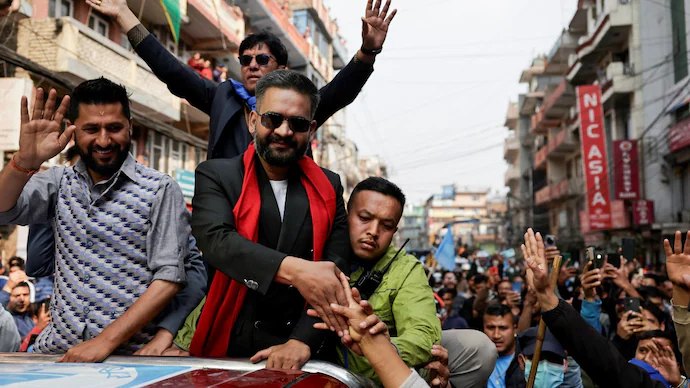
If the RSP’s lead translates into a workable majority, government formation is expected to move quickly, with swearing-in ceremonies for newly elected MPs set to begin as final tallies are confirmed. The interim government has signalled it is prepared to hand over power once the new mandate is formalised, in line with Nepal’s constitutional process following elections.
The RSP’s rise also has regional implications. Nepal sits between India and China and has historically navigated competing pressures from both neighbours. The Financial Times reported Shah’s campaign pitched Nepal as a potential economic “bridge” rather than a buffer state, as voters pushed for jobs, services and a break from traditional party structures.
India has already moved to engage the incoming leadership. Indian Prime Minister Narendra Modi held phone conversations with RSP president Rabi Lamichhane and Shah, congratulating them on their election success and signalling New Delhi’s intent to work closely with Nepal’s next government.
For now, the clearest message from the count is the scale of the public rejection of Nepal’s established parties. Associated Press said only a small number of seats had initially gone to the traditional blocs as the RSP surged, fuelled by voter anger over corruption and economic stagnation.
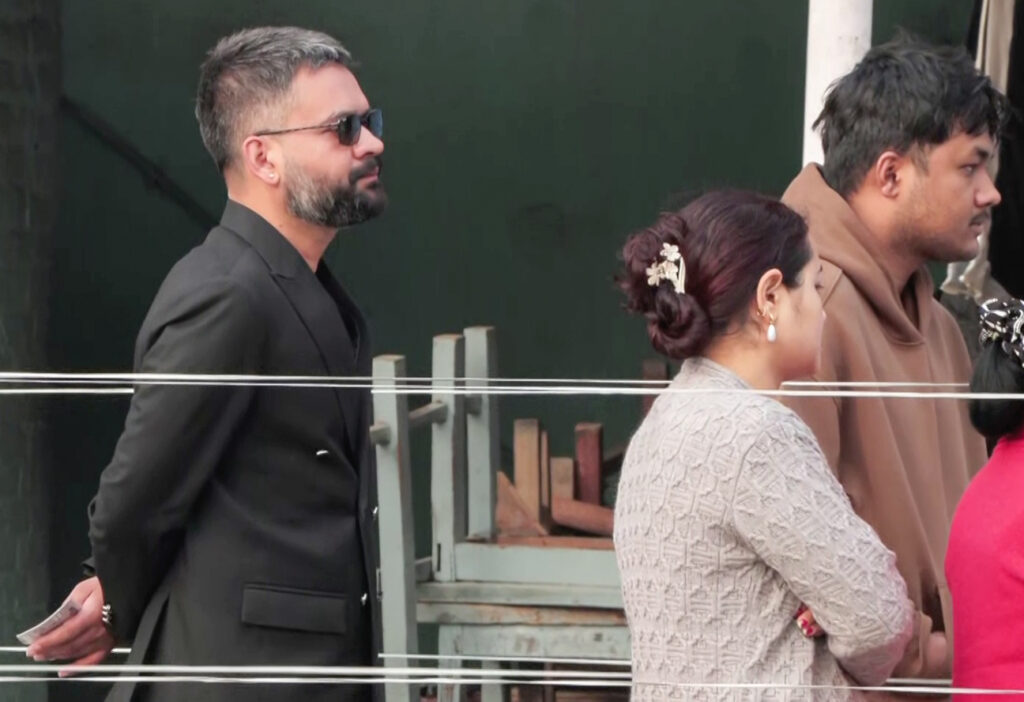
Final results — including proportional representation allocations — are expected in coming days as ballots are consolidated from remote areas. But with Shah’s defeat of Oli in Jhapa-5 already locked in, Nepal’s political direction has shifted sharply, and the country appears poised for its most significant generational change in decades.
Support our Journalism
No-nonsense journalism. No paywalls. Whether you’re in Australia, the UK, Canada, the USA, or India, you can support The Australia Today by taking a paid subscription via Patreon or donating via PayPal — and help keep honest, fearless journalism alive.
