

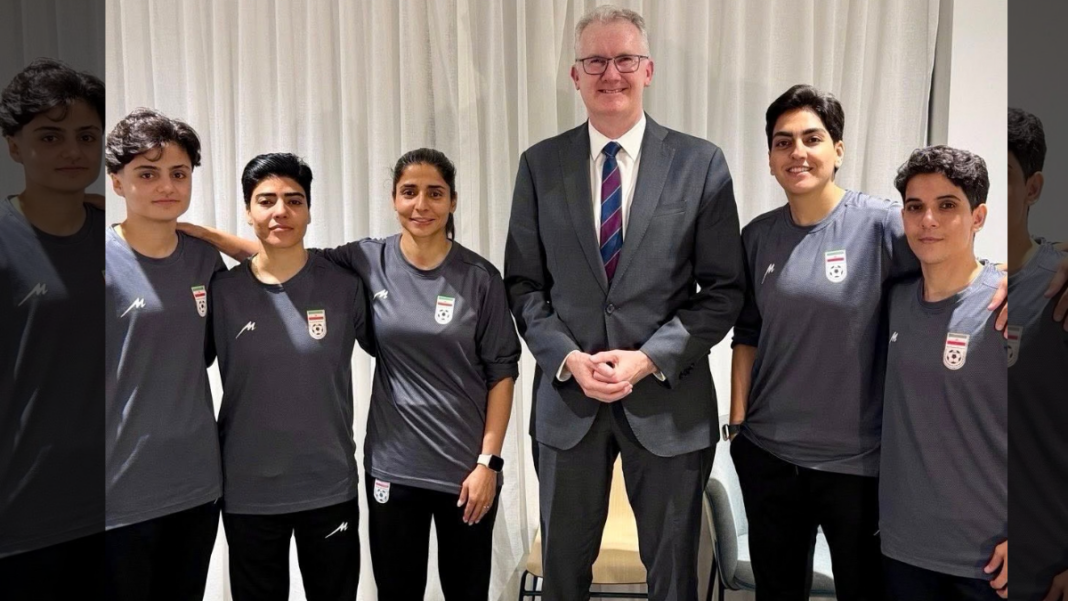
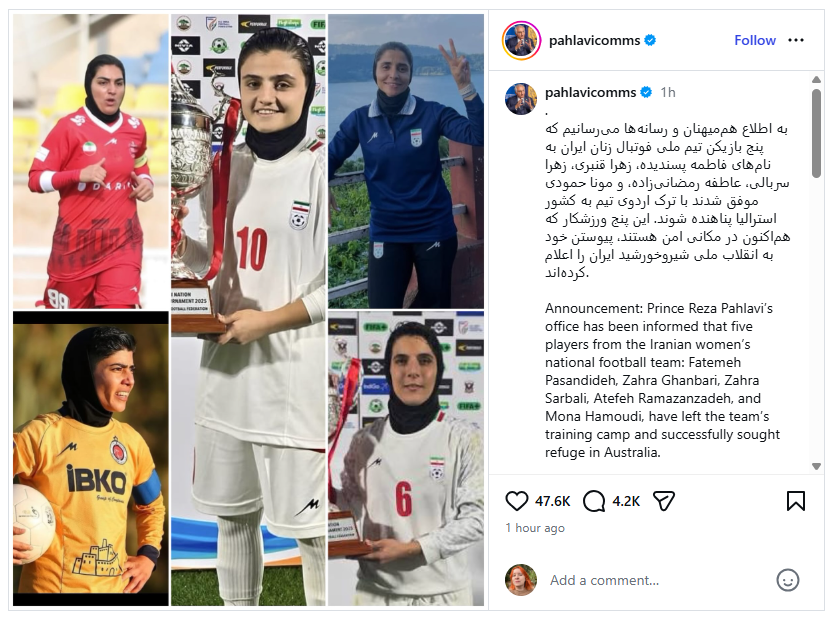
Five members of Iran’s women’s national football team have been granted humanitarian visas to remain in Australia after seeking protection amid fears they could face punishment if they returned home, a decision confirmed by Home Affairs Minister Tony Burke after United States President Donald Trump rang Prime Minister Anthony Albanese in the early hours of the morning.
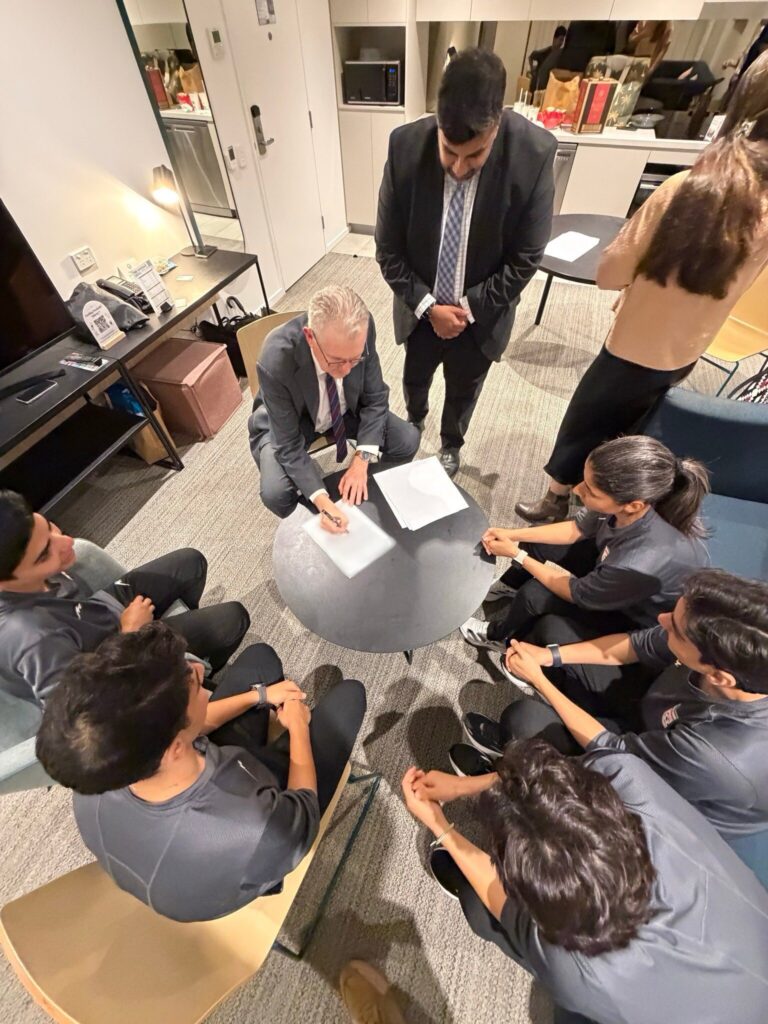
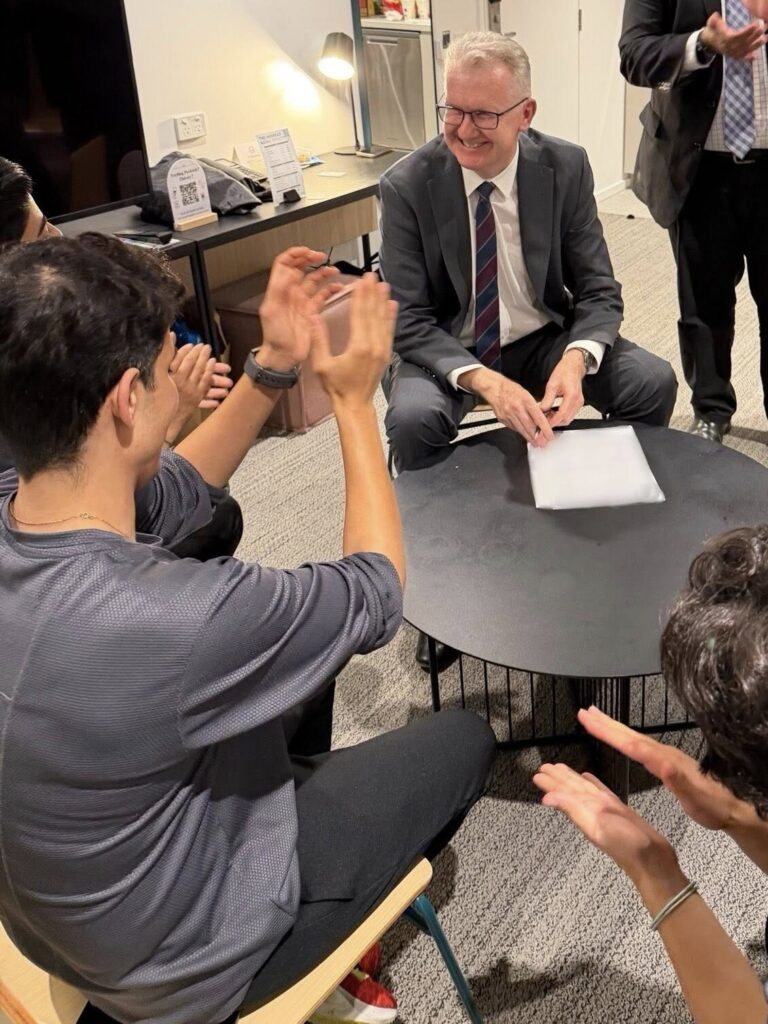
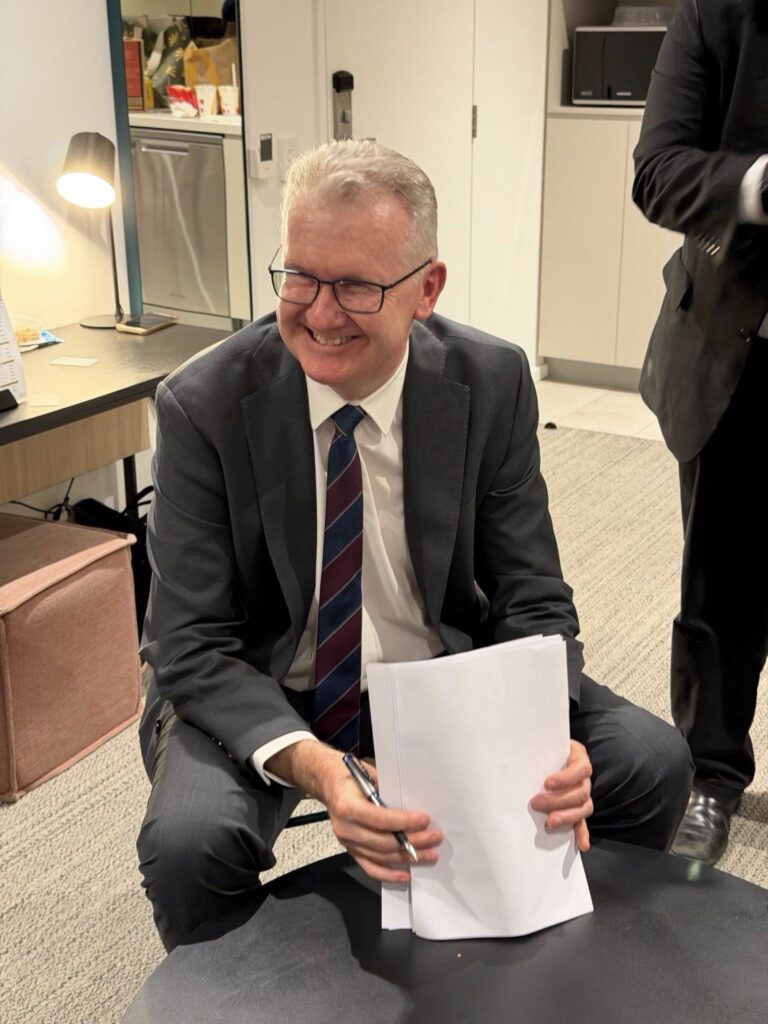
Burke said he met the five players overnight and told them they were “welcome to stay in Australia”, adding they were “safe here” and should “feel at home here”. The women have since been moved to a secure location under Australian Federal Police protection as their claims are processed.
The players were in Australia for the Women’s Asian Cup, staying on the Gold Coast, when the conflict in Iran escalated. Reuters reported the team’s campaign began as US and Israeli strikes hit Iran, and Iranian media later accused the players of bringing “dishonour” after they stood silently during the national anthem before their opening match. The media reported the women feared persecution after being labelled “traitors” in the wake of the anthem protest.
The issue surged into Australian politics after Trump publicly posted about the team’s safety and then phoned Albanese “just before 2 am.” Albanese said the US president was focused on the players’ welfare and what might happen
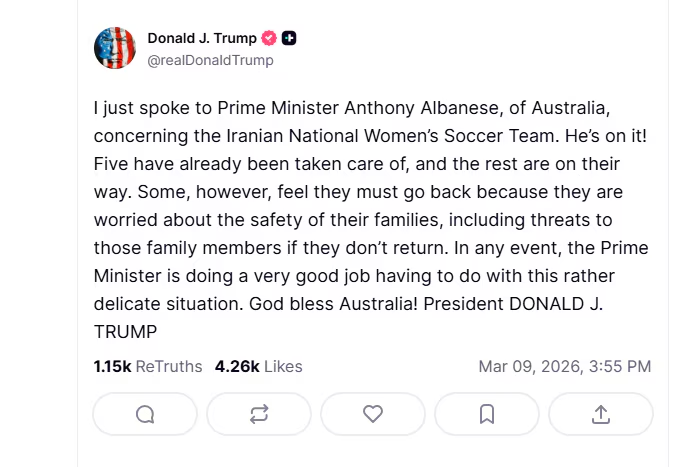
“If they returned home”, and he told Trump that five players had already requested help and were “safely located”.
The Prime Minister said the offer of assistance remained open to any remaining players who sought it.
Burke told the ABC the government had prepared security arrangements before finalising the visas, saying he made “final confirmation” with ASIO Director-General Mike Burgess and then spoke with AFP Commissioner Reece Kershaw’s successor, Krissy Barrett, to ensure safety plans were in place. He said the five wanted it understood they were “athletes” rather than activists, and that the decision to seek protection involved “an incredibly difficult” choice.
The government has not released further details about the women’s circumstances, but the case has drawn scrutiny because of reports the Iranian squad travelled with minders and because Iranian officials moved quickly to frame the anthem protest as a political act. Reuters reported Iranian media said the women left their hotel through a back exit with police involvement and that Iranian football officials had been contacting families while trying to work out what would happen next.
The Guardian reported the visas were temporary humanitarian visas, with the potential to provide a pathway to permanent residency, and that Burke repeated the offer to the rest of the squad if they wanted to speak with Australian officials. Associated Press reported the broader squad numbered about 20 players, though Burke’s announcement related only to the five who approached authorities.
Trump’s involvement continued through the night, with Reuters reporting he first criticised Australia for not acting quickly enough, then later praised Albanese and said “five … have already been taken care of”. Trump also claimed some players might still feel compelled to return because of threats to family members.
The episode comes as Australia’s foreign and security policy is under pressure amid the wider Middle East crisis. In the same ABC live coverage, Albanese said the government’s focus was on protecting Australians in the region and confirmed Australia would provide defensive support to Gulf partners, while stressing Australia was “not a protagonist” in the conflict.
The humanitarian decision is not without precedent. Reuters noted Australia granted emergency visas to members of Afghanistan’s women’s cricket team after the Taliban returned to power in 2021, reflecting a willingness to act where athletes fear persecution linked to political upheaval.
For now, Burke and Albanese have maintained that the door remains open for other Iranian players to request assistance. Still, any further decisions will depend on individual requests and security and welfare assessments.
Support our Journalism
No-nonsense journalism. No paywalls. Whether you’re in Australia, the UK, Canada, the USA, or India, you can support The Australia Today by taking a paid subscription via Patreon or donating via PayPal — and help keep honest, fearless journalism alive.
