

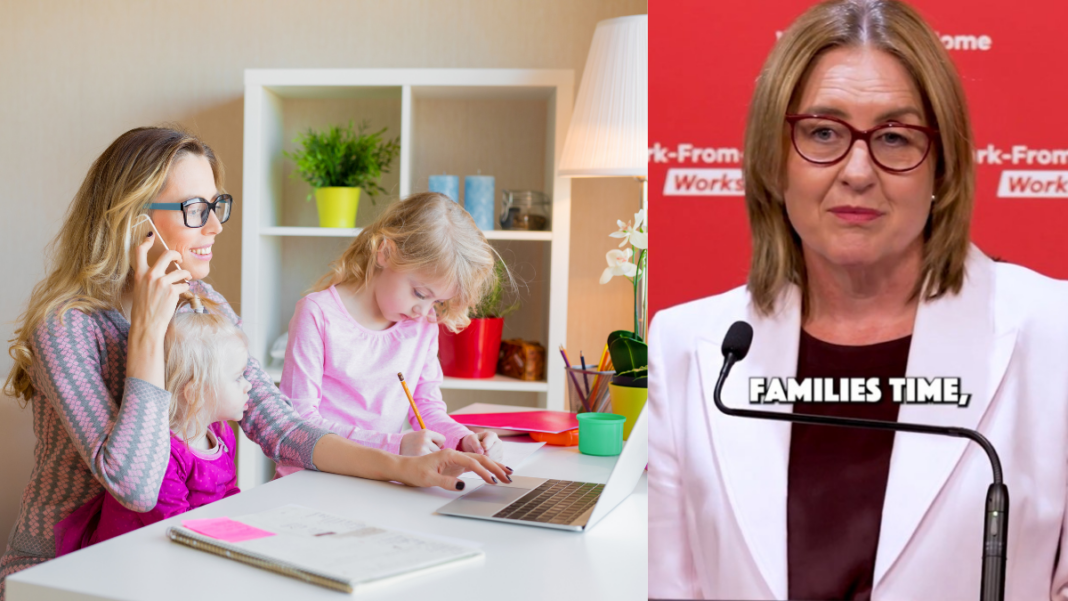
From 1 September 2026, eligible Victorian employees will have a legal right to work from home for two days a week, under legislation the Allan Labor Government plans to introduce to Parliament in July.
The reforms will be incorporated into the state’s Equal Opportunity Act, marking a major update to the design of Labor’s world-first work-from-home laws.
Premier Jacinta Allan said the changes reflect the practical benefits for families:
“Work from home works for families, because it saves time and money and it gets more parents working.”
Allan emphasised the government’s commitment to protecting these arrangements, stating, “That’s why we will protect work from home in law from 1 September,” and contrasted the move with plans by some federal Liberals to force employees back to offices.
“Only Labor has new solutions to make life easier, safer and more affordable.”
Minister for Industrial Relations Jaclyn Symes highlighted the legal protections, saying, “Enshrining this right in law means no boss or Liberal can take it away from our workers,” and added that remote work benefits families, productivity, and the broader economy:
“Work from home is good for families, good for productivity and good for the economy.”
The law will have a delayed commencement of 1 July 2027 for workplaces with fewer than 15 employees, allowing additional time to adapt human resources policies and procedures. It will also provide clear pathways for dispute resolution.
Workers whose requests to work from home are refused can seek conciliation through the Victorian Equal Opportunity and Human Rights Commission, with unresolved cases referred to the Victorian Civil and Administrative Tribunal.
Government figures underline the growing prevalence of remote work in Victoria. More than a third of workers, including 60 per cent of professionals, regularly work from home.
Families save on average $110 per week, while commuters save over three hours a week. Workforce participation is now 4.4 per cent higher than pre-pandemic levels, according to the government.
The reforms are part of Labor’s broader effort to formalise workplace flexibility in law and respond to reports that workers have been denied reasonable requests to work remotely.
Support our Journalism
No-nonsense journalism. No paywalls. Whether you’re in Australia, the UK, Canada, the USA, or India, you can support The Australia Today by taking a paid subscription via Patreon or donating via PayPal — and help keep honest, fearless journalism alive.
