

Women working in Australia’s finance industry are earning, on average, more than $53,000 a year less than their male colleagues, despite modest national improvements in closing the gender pay gap.
New figures released by the Workplace Gender Equality Agency (WGEA) show that while the overall national gender pay gap has narrowed to 11.2 per cent — down 0.9 percentage points on last year — disparities remain deeply entrenched in several sectors, particularly finance.
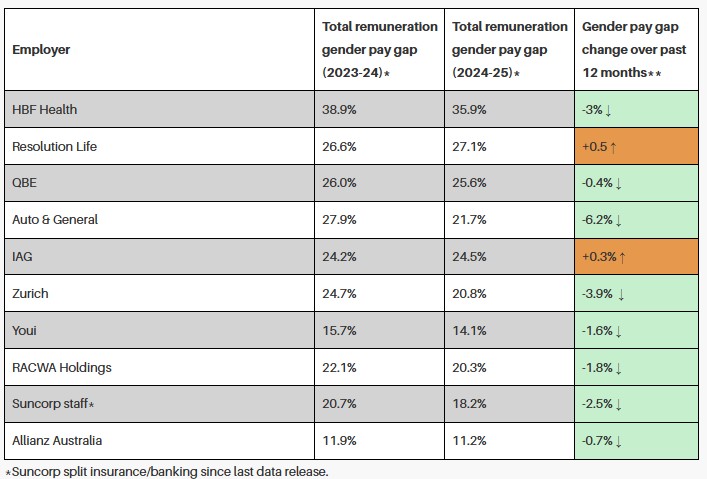
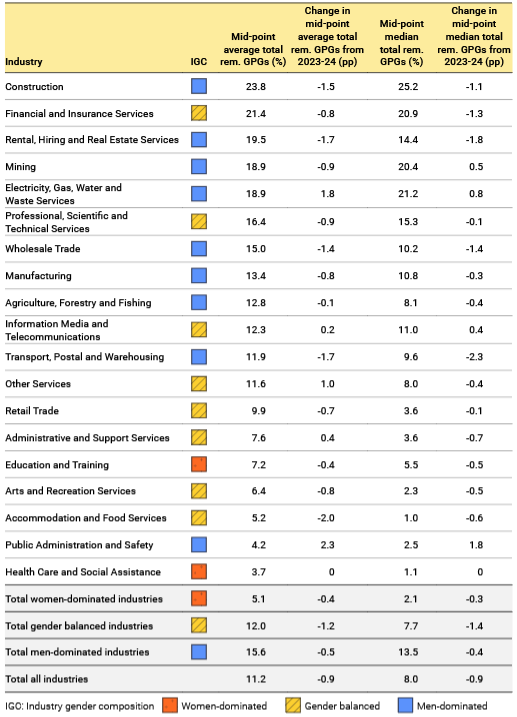
Across the finance and insurance services industry, where women make up 53 per cent of the workforce, the median total remuneration gap stands at 20.9 per cent, one of the highest of any sector. That translates to women earning about 88.8 cents for every dollar earned by men on average.
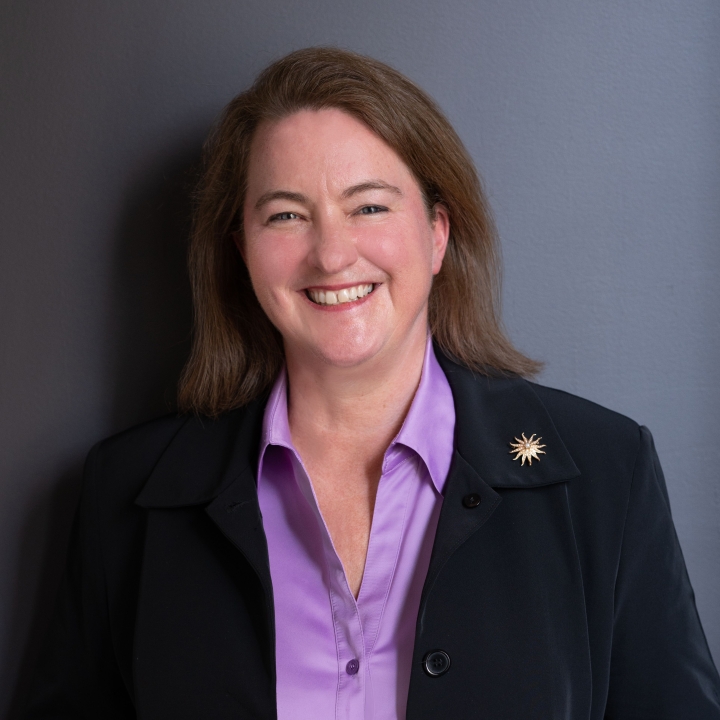
WGEA chief executive Mary Wooldridge told ABC News the data, drawn from more than 10,500 employers covering 5.9 million workers, showed gradual progress. She noted that the average difference between men’s and women’s pay was declining and that most employers had reduced their gap over the past year.
“The difference on average between what men and women are paid is coming down. The majority of employers reduced their gender pay gap in the last 12 months.”
Under federal law, organisations with more than 100 employees must report their gender pay gap annually. This is the third consecutive year that employer-level data has been made public, allowing comparisons over time and greater scrutiny of individual companies.
Within finance, Australia’s big four banks all recorded reductions in their pay gaps over the past 12 months, although each remains above the national average.
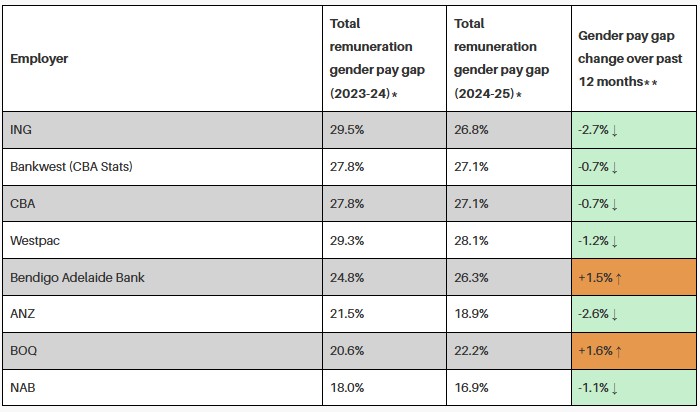
Westpac reported the widest gap among the majors at 28.1 per cent, followed closely by Commonwealth Bank at 27.1 per cent. ANZ reduced its gap to 18.9 per cent, while National Australia Bank recorded 16.9 per cent, the lowest of the four.
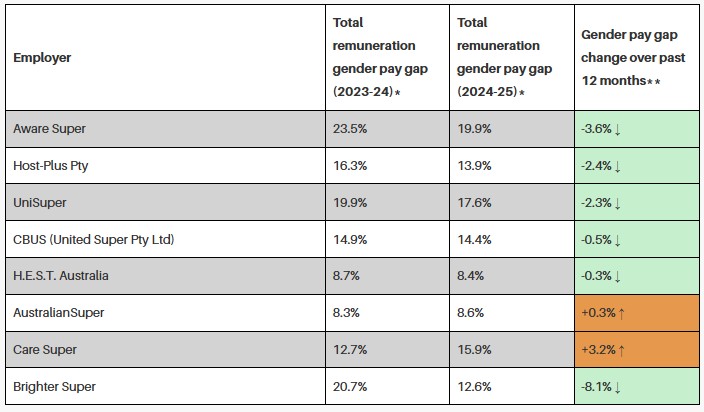
Superannuation funds generally performed better than banks. Among the largest funds, Aware Super reported a gap of 17.8 per cent, up from the previous year. Hostplus reported 17.2 per cent, while AustralianSuper posted 14.6 per cent. Australian Retirement Trust recorded 13.9 per cent, and REST reported 9.6 per cent — below the national average.
The most significant improvement in the finance sector was recorded by Australian Mutual Bank, which reduced its gender pay gap from 19.8 per cent to 9.6 per cent within a year.
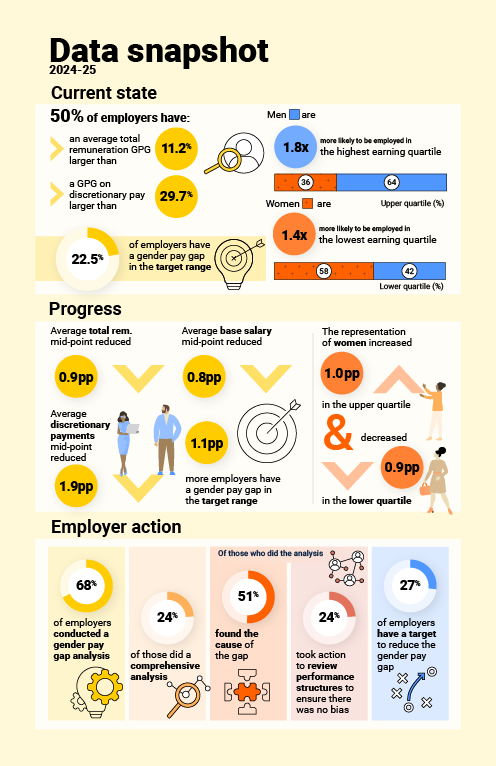
The data measures average earnings across organisations rather than comparing men and women doing the same job. Equal pay for equal work has been a legal requirement for five decades. The gender pay gap instead reflects broader structural factors, including occupational segregation, seniority levels, part-time work and access to bonuses.
Male-dominated industries continue to record some of the largest gaps. Construction remains the most unequal sector, with women earning 23.8 per cent less in total pay than men, although that figure has fallen slightly over the past year. Women account for just 10 per cent of the highest-paid quartile in construction, but 37 per cent of the lowest-paid.
More than half of Australia’s workforce is employed in industries where at least 60 per cent of workers are of one gender, highlighting the persistence of occupational segregation.
The new pay data was released alongside findings from the Finance Sector Union (FSU), which argues that under-reporting of sexual harassment is contributing to systemic inequality in finance workplaces.
In its second national sexual harassment report, the union surveyed 430 finance workers and found that 60 per cent had experienced conduct they believed warranted a complaint but chose not to report it. Of those, 78 per cent did not pursue a formal process. Only 16 per cent of respondents reported any form of misconduct.
The report found that many workers believed complaints would not lead to consequences for perpetrators or feared negative repercussions for themselves. Nearly 60 per cent of those who did lodge complaints rated their employer’s response as poor or extremely poor.
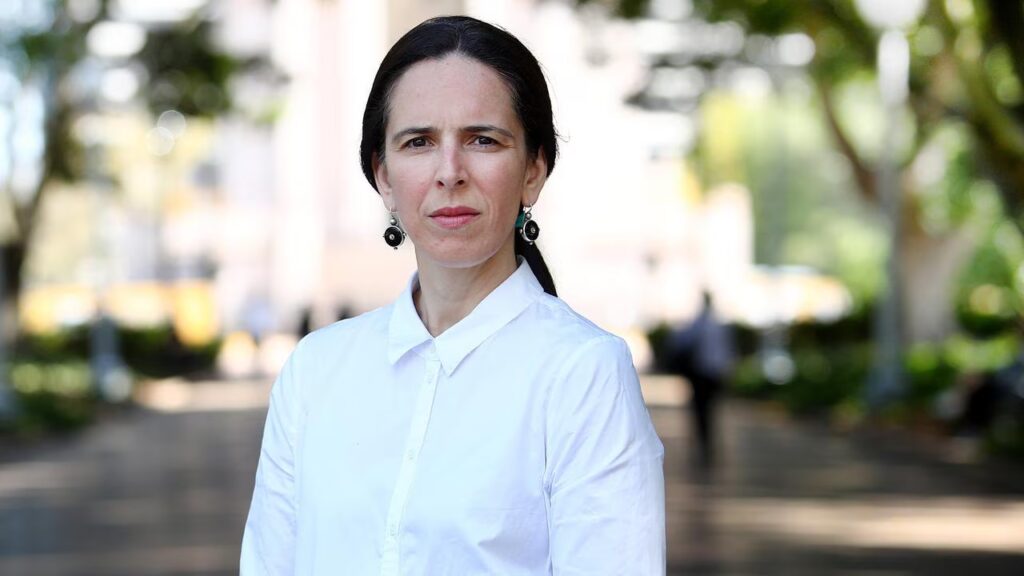
FSU national secretary Julia Angrisano said in a statement progress on pay equity could not be separated from workplace safety, arguing that persistent under-representation of women in leadership and concentration in lower-paid roles shaped workplace culture and influenced whether employees felt safe to speak up.
“Equal pay and safe workplaces are not aspirational goals – they are minimum standards and finance sector employers must start meeting them.”
While WGEA data shows incremental improvement across much of the private sector, the figures underscore that significant disparities remain, particularly in high-paying industries such as finance, construction and mining.
Support our Journalism
No-nonsense journalism. No paywalls. Whether you’re in Australia, the UK, Canada, the USA, or India, you can support The Australia Today by taking a paid subscription via Patreon or donating via PayPal — and help keep honest, fearless journalism alive.
