

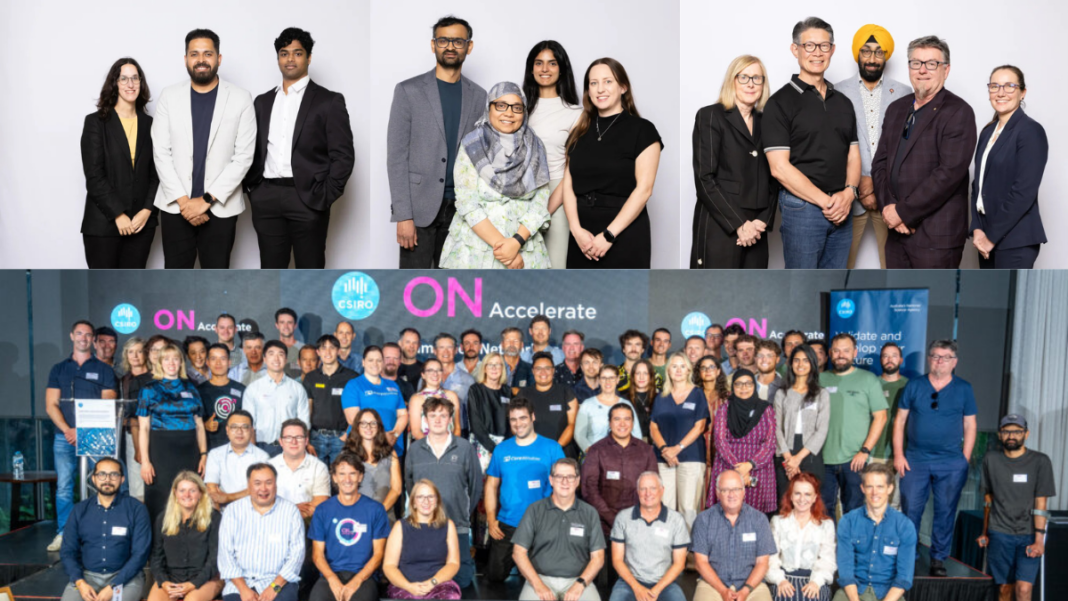
Artificial intelligence tools to detect skin cancer in GP clinics and technology that draws drinking water from air in drought-hit regions are among 10 research ventures selected for the latest round of CSIRO’s innovation accelerator.
The projects form the newest cohort of ON Accelerate, a commercialisation program run by CSIRO to help researchers move scientific discoveries beyond the laboratory and into practical use.
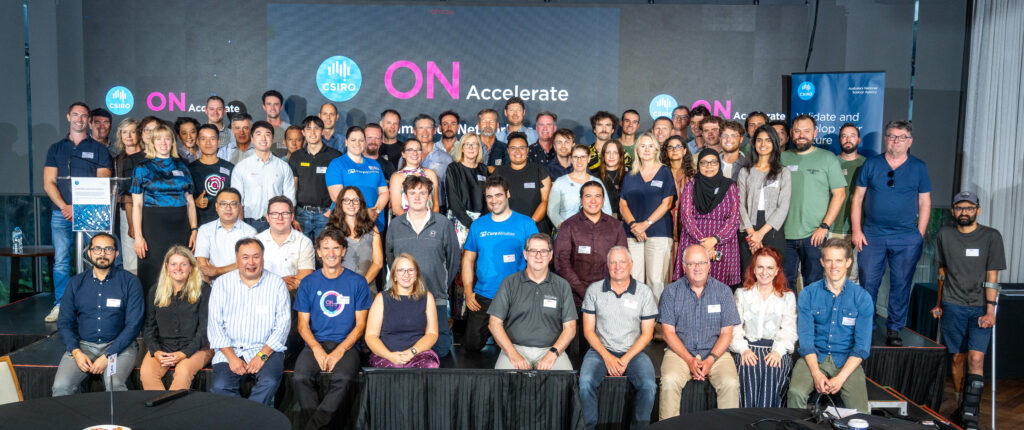
Chosen after a competitive national process, the teams will undertake a three-month program combining in-person and online training, mentorship and industry engagement before pitching to investors and government representatives at ON Translate 2026 in Melbourne on 11 June.

Among the selected ventures is DermAI from the University of Melbourne, which has developed a handheld imaging device designed to assist doctors in identifying skin cancer during routine consultations.
Founder Dr Noor Karishma Shaik said the tool uses artificial intelligence to provide immediate risk assessments through a non-invasive scan, reducing the need for specialist referrals in some cases. She said the technology had been developed with a focus on improving diagnostic access for patients in rural and underserved communities and for people with diverse skin tones.
Skin cancer remains one of Australia’s most significant health challenges. By the age of 70, around two in three Australians will have been diagnosed with some form of the disease, which accounts for the vast majority of newly diagnosed cancers each year.

Another Melbourne-based team, PredicTx Health, is applying AI to chemotherapy treatment. Co-founder and chief executive Abhijeet Waykar said cancer dosing is still largely calculated using general measures such as height and weight.
The company’s platform analyses imaging, genomic and clinical data to predict how individual patients will respond to treatment, with the aim of improving safety and reducing toxic side effects.

Axcelda, also from the University of Melbourne, has developed a point-of-care cartilage repair system that allows surgeons to restore joint function in a single 60-minute procedure.
The technology combines an integrated device, specialised hydrogel and a light-activated applicator, removing the need for laboratory-based cell processing and aiming to reduce the risk of osteoarthritis progression.

From the University of Newcastle, Hydro Harvester is developing a system that extracts water from air, targeting regional and remote communities that lack reliable infrastructure.
Team leader Dr Priscilla Tremain said many Indigenous and isolated communities continue to face insecure access to drinking water. She said the technology could support long-term community viability and environmental management, while also offering potential uses in agriculture, industry and emerging sectors such as renewable fuels and data centres.
Tennille Eyre, director of the ON Innovation Program, said the initiative was designed to address what she described as a persistent gap for Australian researchers seeking to commercialise their work. She said challenges often included limited access to entrepreneurial skills, investor networks and confidence in navigating the market.
Since its inception, alumni of the broader ON program have secured more than $800 million in grants and capital raising, according to CSIRO.
Hugo LeMessurier, an ON Accelerate coach, said translating research into real-world outcomes required ongoing engagement with the communities and industries affected. He said innovators needed to test and refine their ideas in response to feedback before bringing products to market.
The 10 selected teams began the process with a bootcamp in November 2025, followed by further assessment stages that narrowed the field. Their final pitches at ON Translate 2026 will mark the culmination of the program’s latest round, as the national science agency continues efforts to turn publicly funded research into commercial and social outcomes.
Support our Journalism
No-nonsense journalism. No paywalls. Whether you’re in Australia, the UK, Canada, the USA, or India, you can support The Australia Today by taking a paid subscription via Patreon or donating via PayPal — and help keep honest, fearless journalism alive.
