

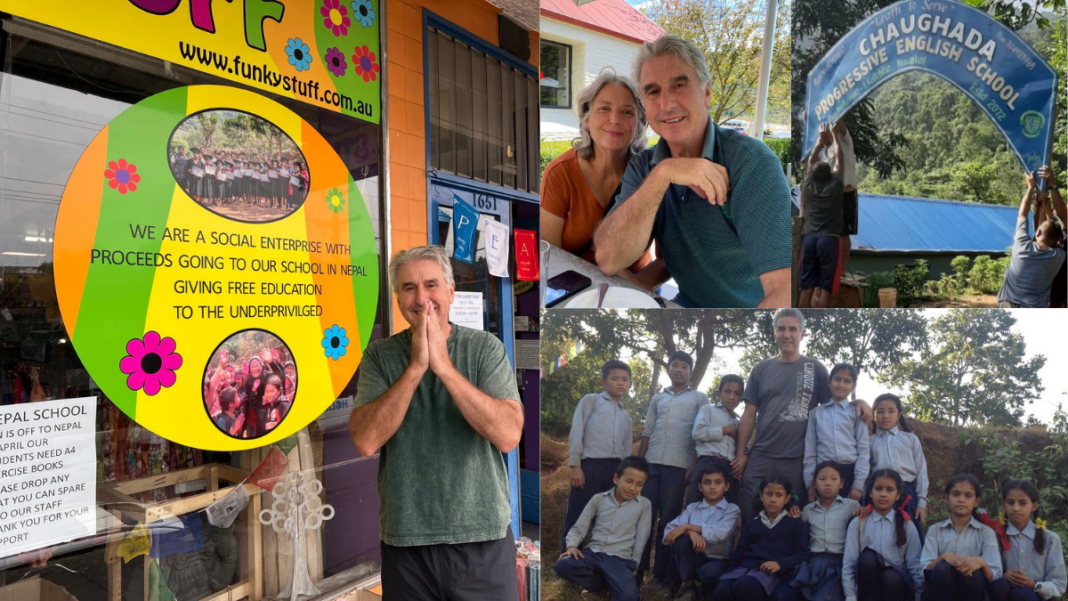
When the devastating earthquakes struck Nepal in 2015, levelling villages and destroying hundreds of schools, Melbourne couple Ben and Lyn Covelli felt compelled to act.

For more than four decades, the pair have travelled regularly to the Himalayan nation, building deep ties with its people and communities. So when disaster hit, it was personal.
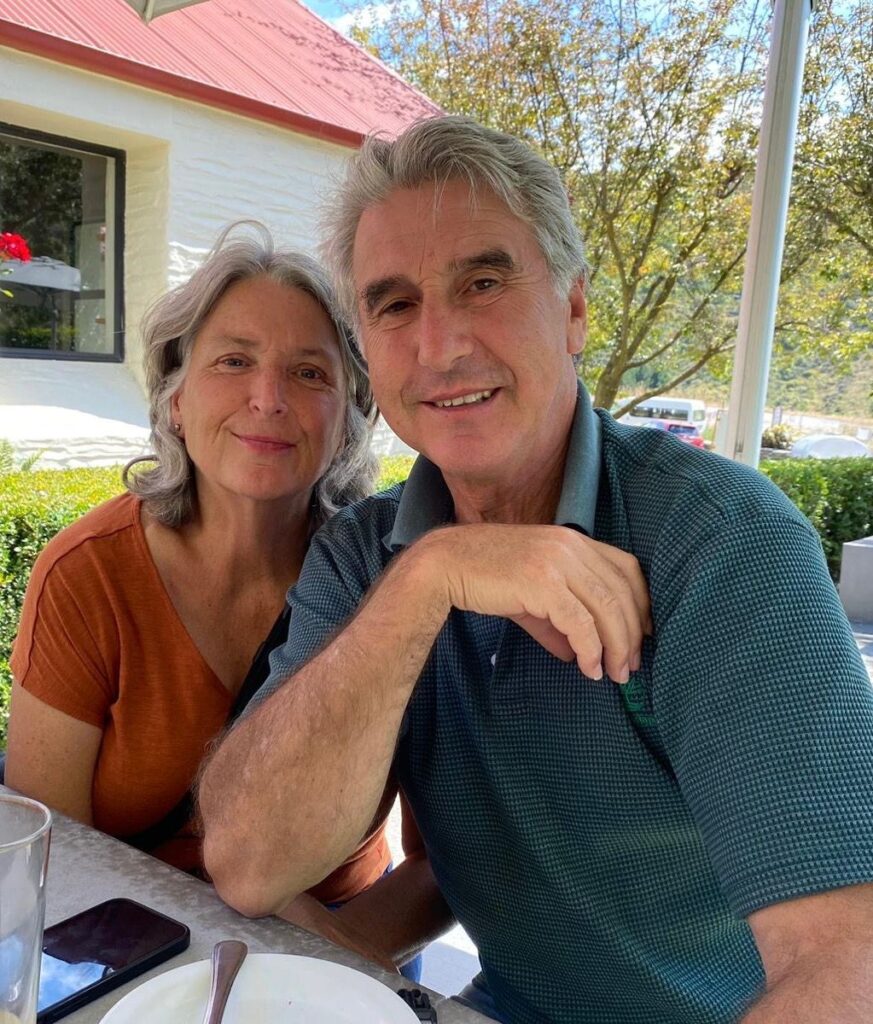
“We felt we needed to assist,” says Ben.
“We started, built and fund the primary school in a village that was devastated by the earthquakes.”
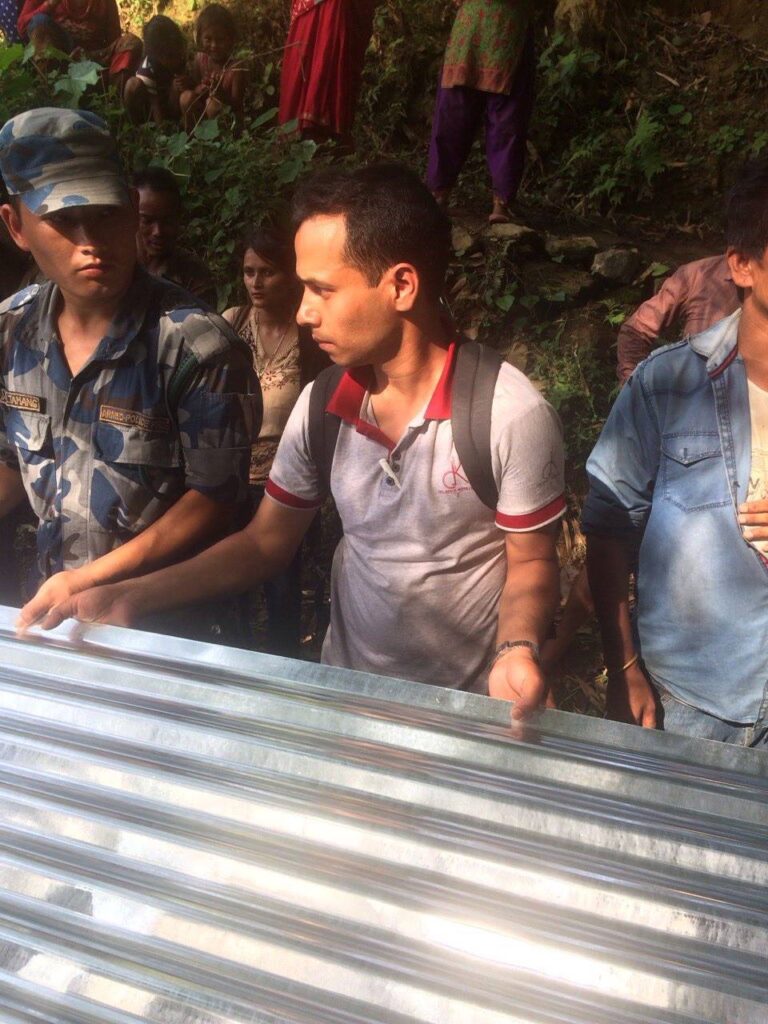
What began as immediate relief – distributing rice to 50 families and corrugated tin sheeting to 65 households left homeless – soon evolved into something far more enduring.
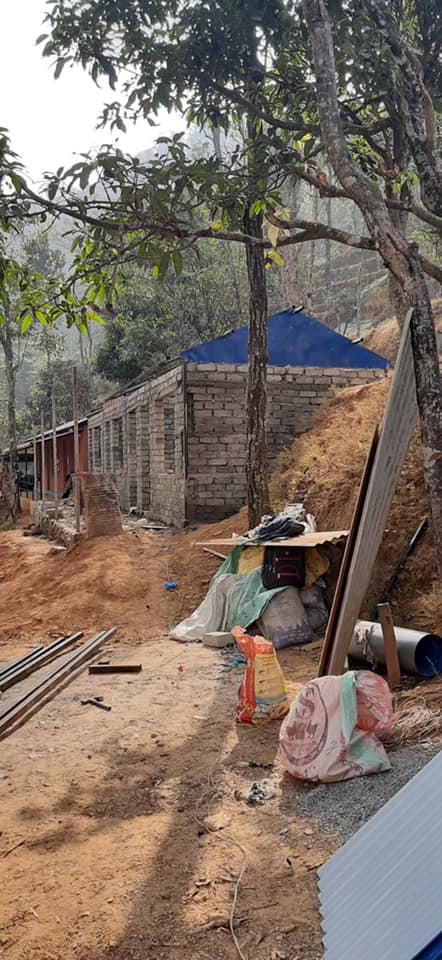
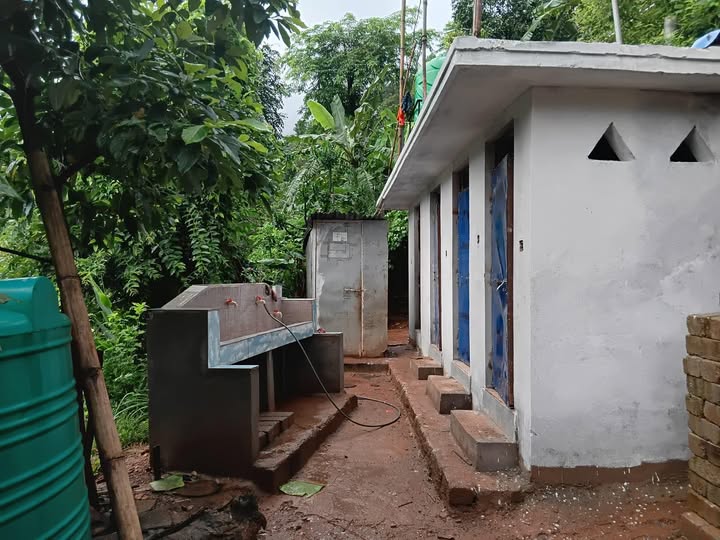
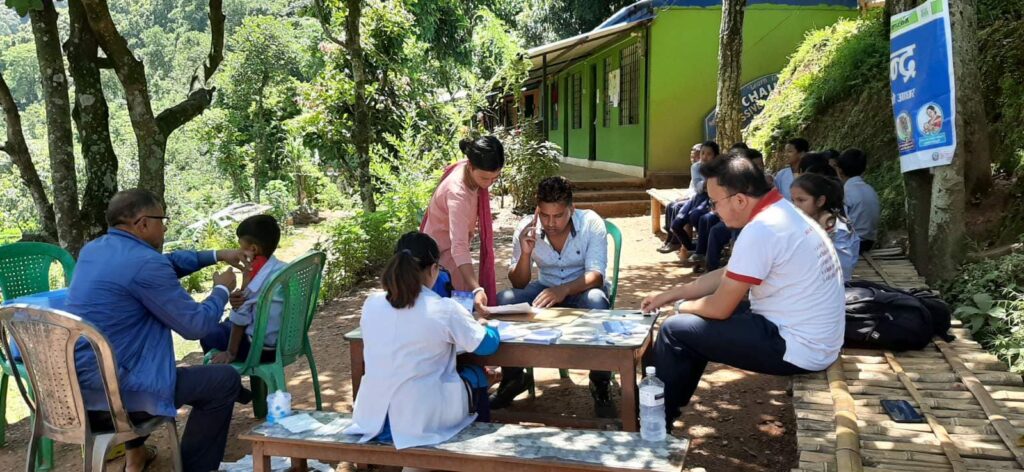
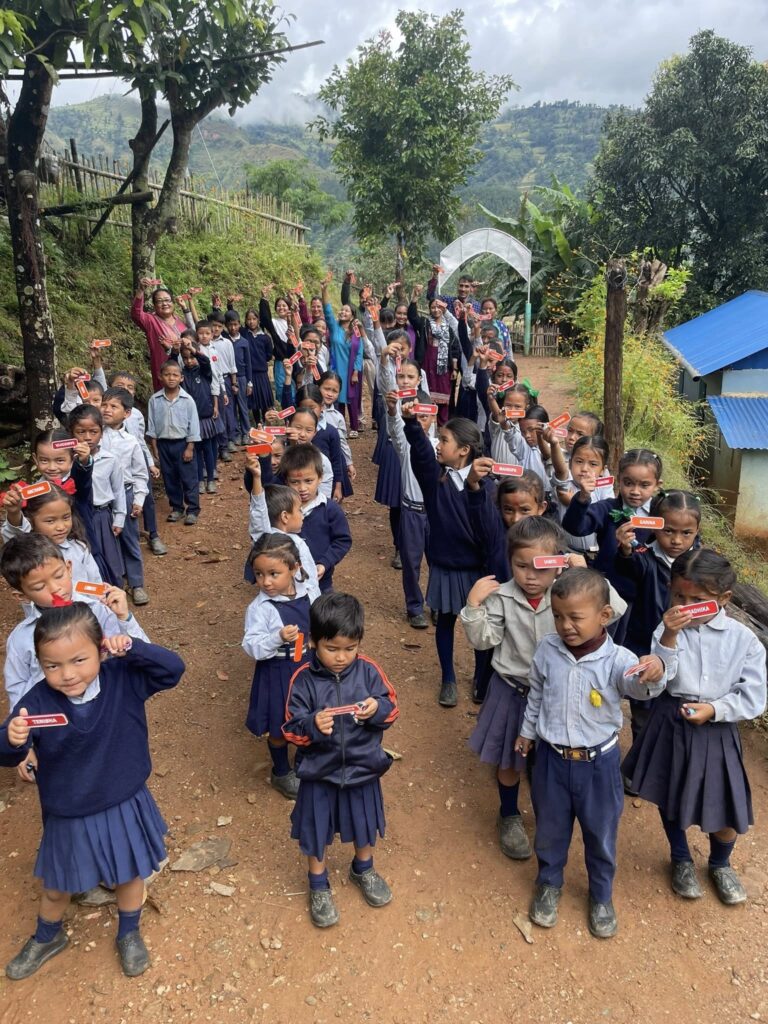
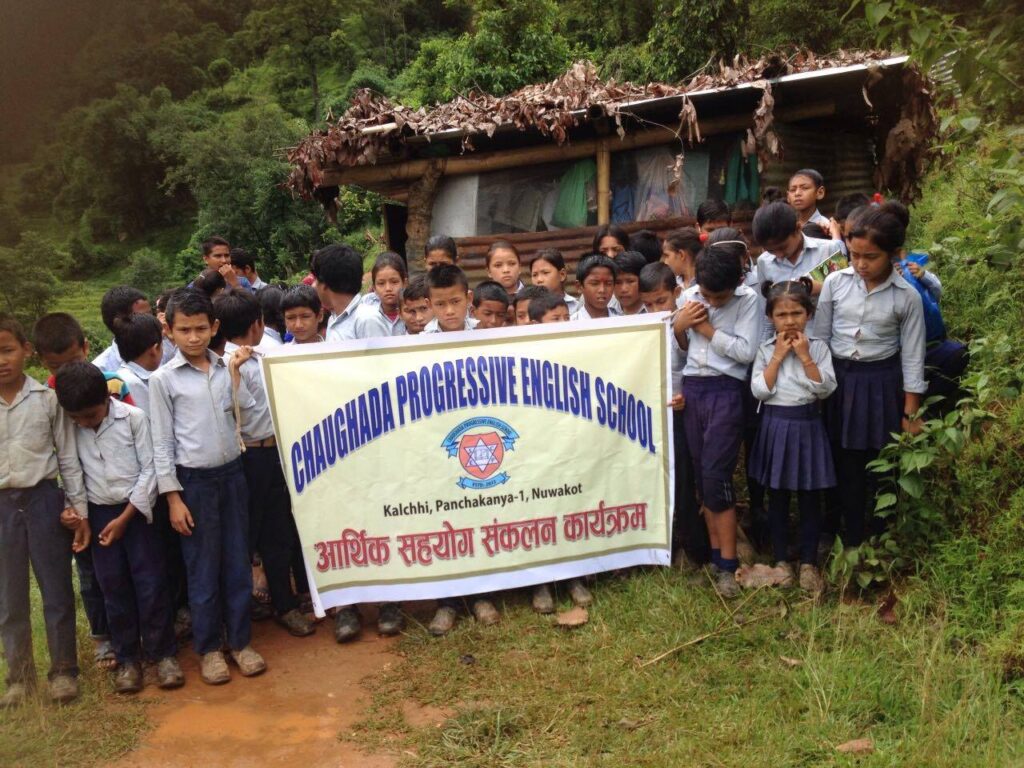
In the hard-hit Nuwakot District, the couple founded Chaughada Progressive English School, a private, free, not-for-profit primary school built in a village devastated by the quakes.
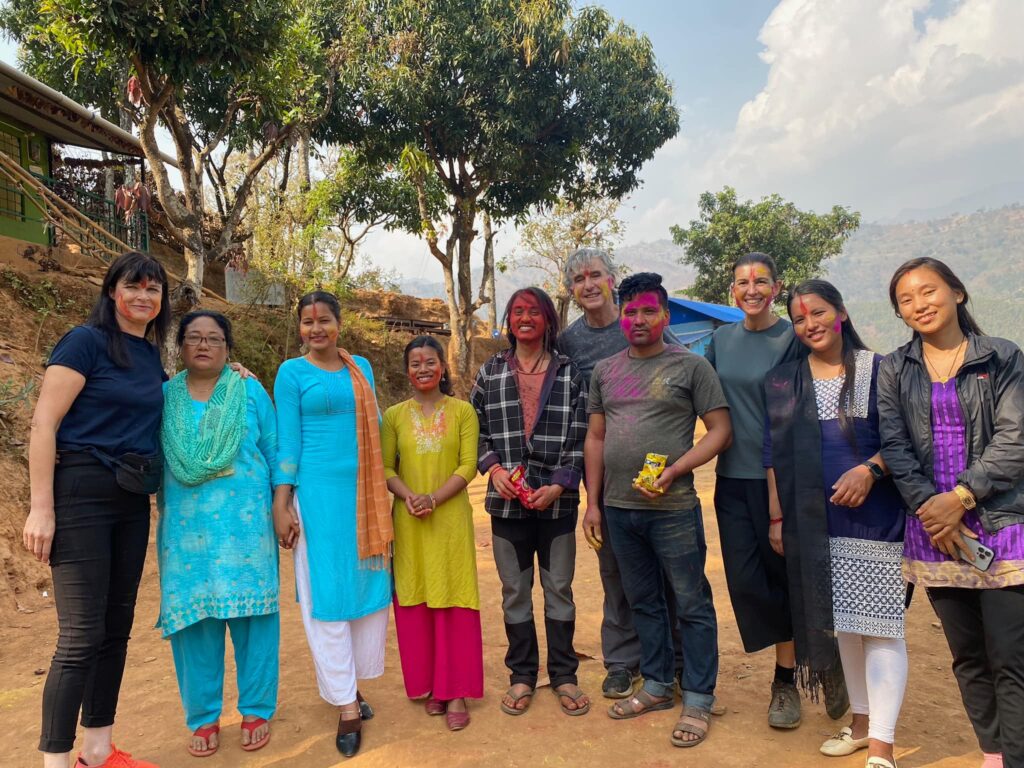
Today, the school provides free education to 80 children, covering not only tuition but also uniforms, books and stationery.
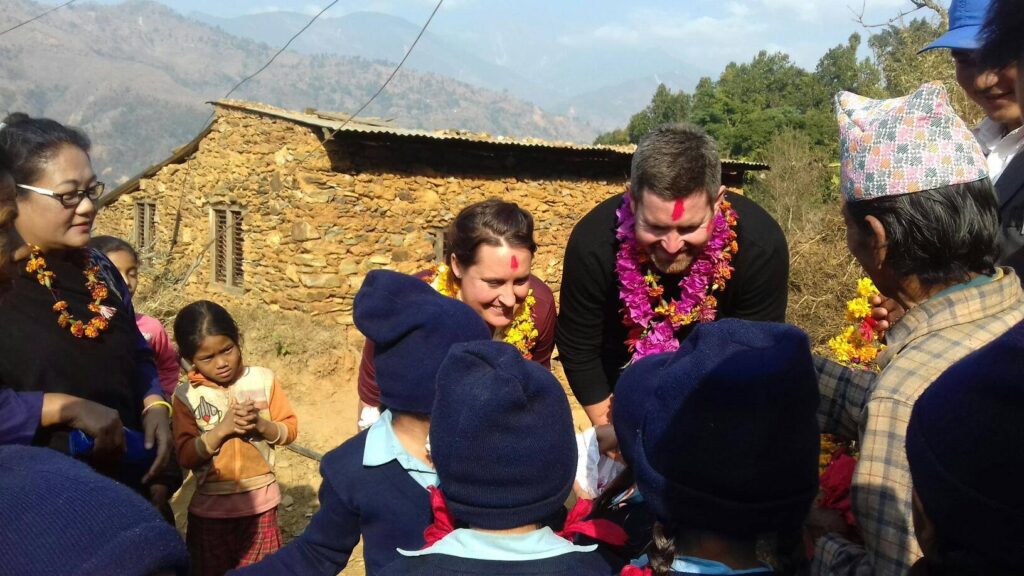
Ben, who has a background in business and social work, says establishing the school felt like a natural extension of his life’s work.
“Soon after the earthquake I went back to see how I could help,” he said.
“We decided we wanted to assist long term.”
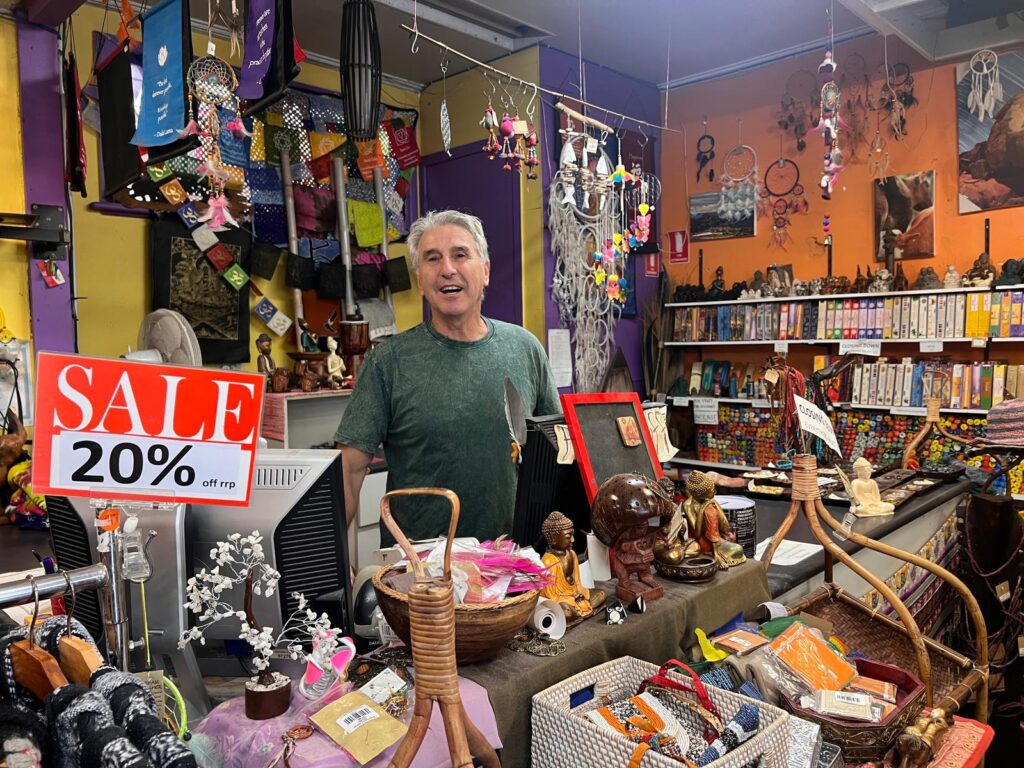
Ben says the school was formally registered as a trust and later became a Rotary International aid project, strengthening its governance and community backing.
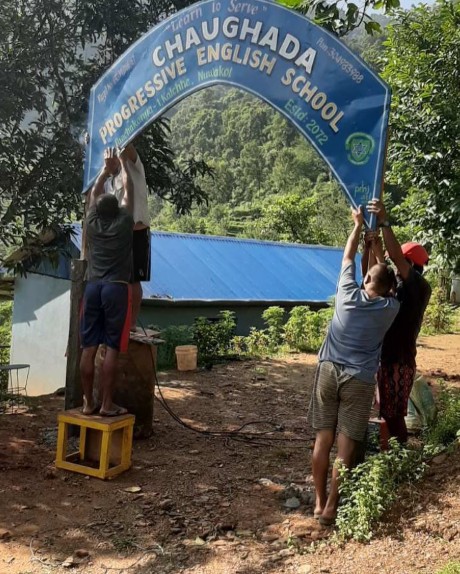
Unlike many private schools, Chaughada Progressive English School charges no fees.
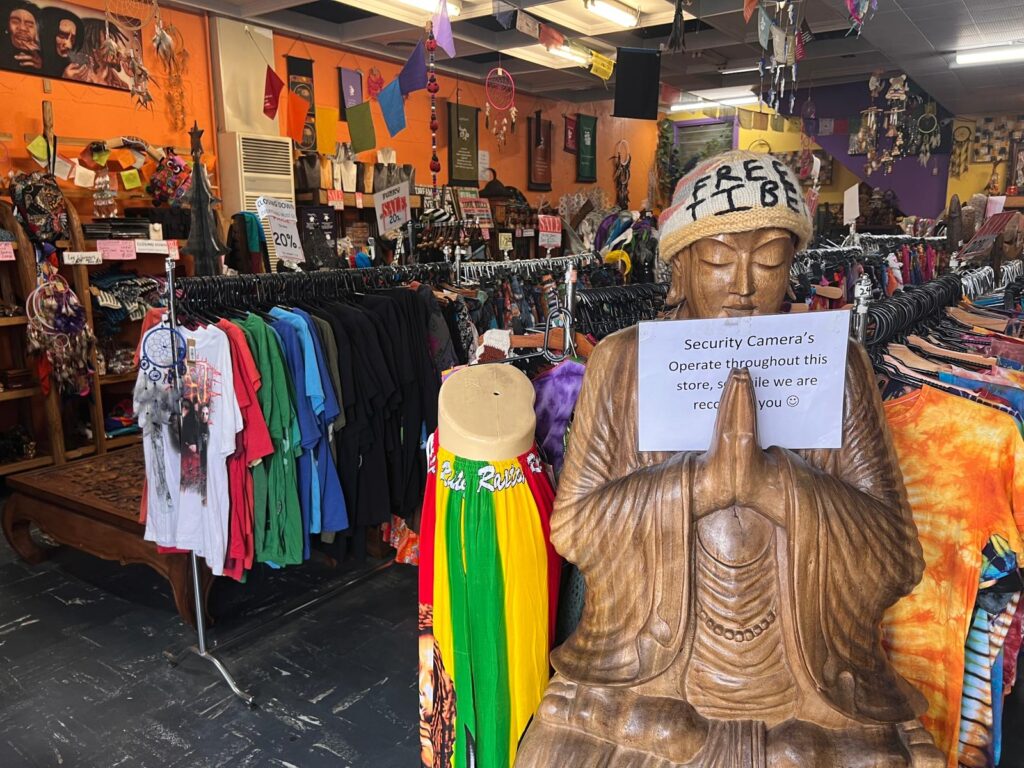
The school is primarily funded through the Covellis’ Melbourne-based social enterprise, Funky Stuff, which directs its profits towards the school, supplemented by occasional donations from family and friends – of which the Covellis say they are “grateful and feel fortunate to be surrounded by people who share a social conscience.”
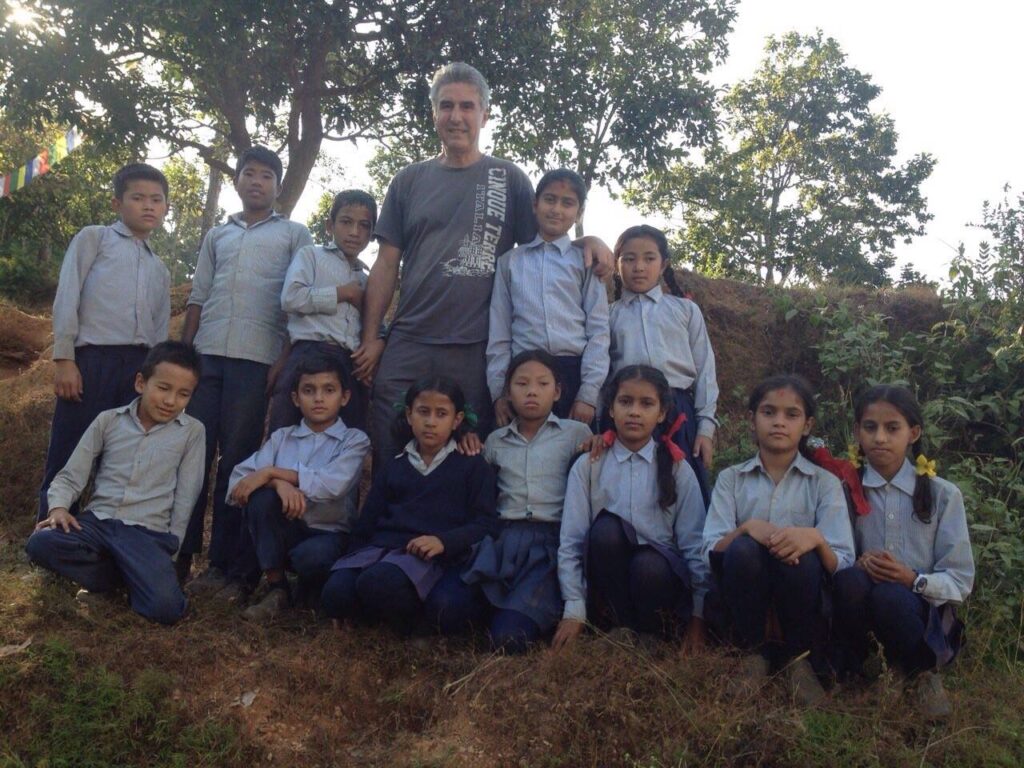
Running a free school from Australia comes with major challenges, including rising costs that have more than doubled over the past decade.
Ben emphasises the transformative power of giving back:
“It no longer is a means just to earn money for your own needs … it becomes a means to support others… this can be transformative.”
Ben believes both businesses and individuals who have the means should contribute to social causes, creating a more meaningful and passionate connection with their work. “The budget to run the school has more than doubled in ten years,” he acknowledges truthfully.
“Rising costs are a real pressure.”
But financial strain is only part of the story. Ben also acknowledges the deeper challenge of working respectfully across cultures.
“It is easy to fall into ‘colonial’ style thinking — that our way is the right way,” he reflected.
“I’ve learnt that we have to find, as Buddha said, ‘the middle path’.”
If he is investing his own money, Ben expects certain standards to be upheld. Yet he emphasises the importance of respecting Nepalese culture and local ways of thinking.
“We are partners working and learning together,” he says.
“ It is a two way street…I have learnt so much from my Nepalese students teachers and parents and been exposed to life experiences that otherwise would not have.”
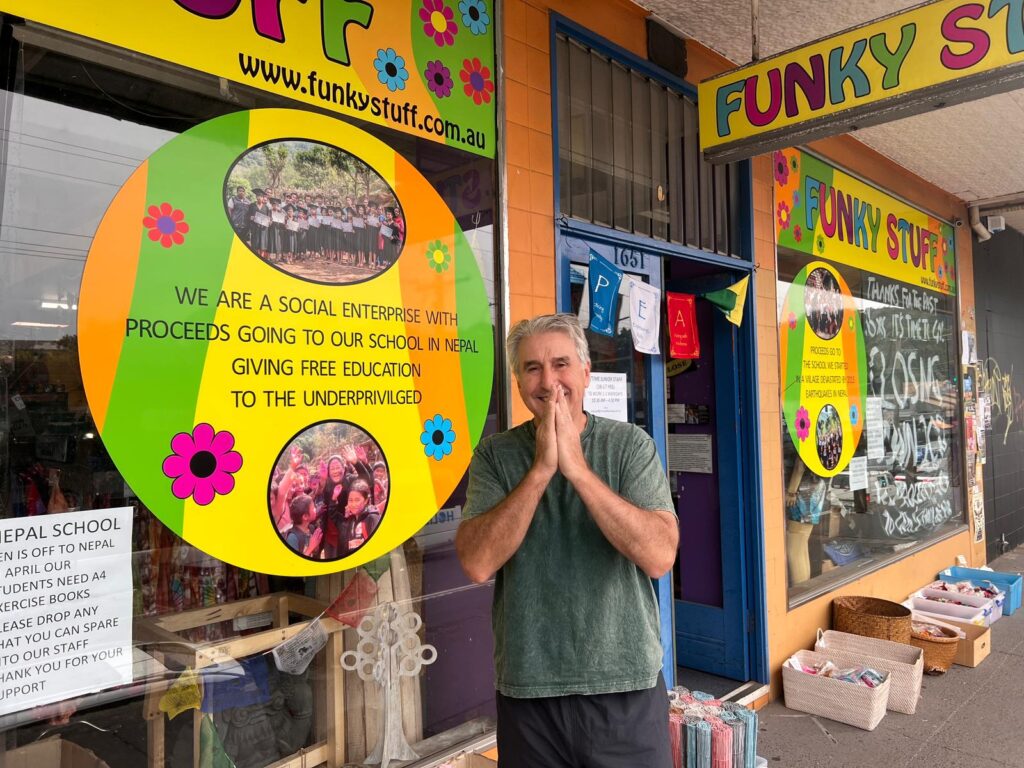
Funky Stuff’s model – dedicating all profits to the school – may not be feasible for every enterprise. But Ben believes businesses of all sizes can contribute in ways that suit their capacity.
“A business might sponsor one child through their education, or support a family to ensure food security,” he said.
“Support can be as big or as small as the capacity of the business.”
Ben argues that profitability and purpose are not mutually exclusive. In fact, he believes committing a percentage of earnings to a social cause can transform the way people relate to their work.
“Once a business or person devotes a percentage of earnings to a social cause, you create a much more passionate, meaningful and healthier relationship with your work,” he said.
“It no longer becomes just a means to earn money for your own needs — it becomes a means to support others.”
Ben’s guiding principle is simple: “Those that can, should.” He sees his work in Nepal as an extension of Australia’s multicultural identity. This connection continues at home through former graduates of the school, such as Suman.
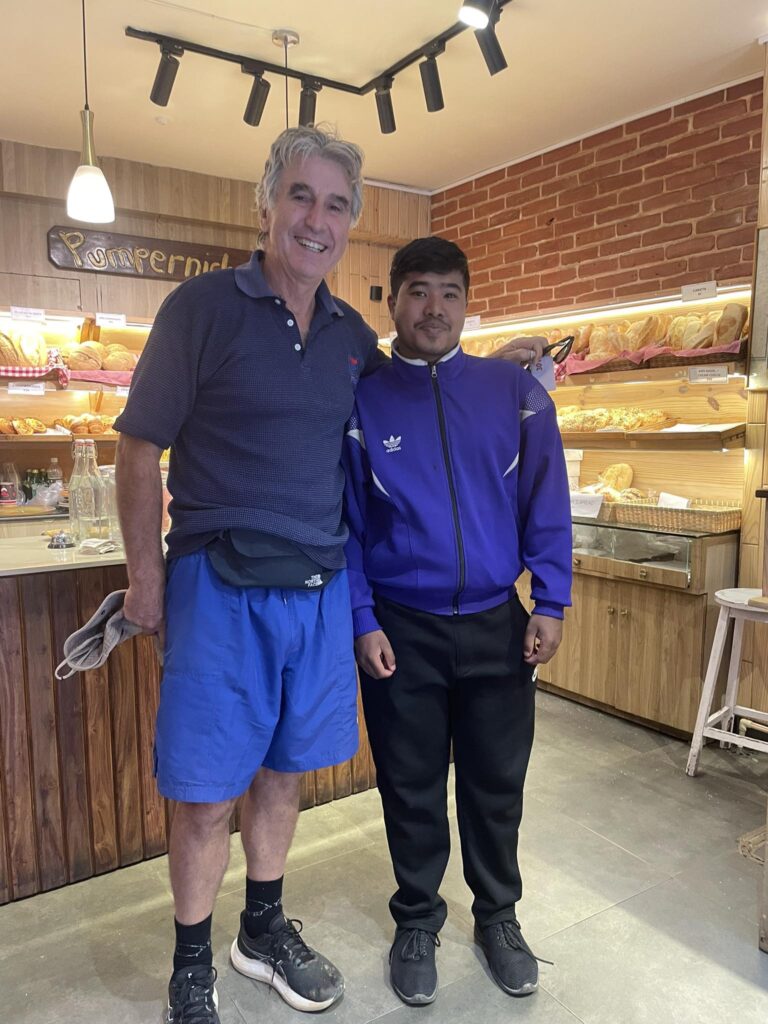
Suman, from the school’s first class 10 years ago, was sponsored through secondary school and a hospitality course and is now studying for a Bachelor’s in Business Management.
“Australia has benefited so much from immigrants,” he said.
“Supporting initiatives overseas broadens our knowledge and understanding of other cultures, as well as contributing to their welfare.”
Ben is careful, however, to avoid creating dependency. The goal, he says, is empowerment through partnership.
“One needs to be mindful that when supporting an overseas initiative that a dependency relationship does not develop.”

Over the past decade, Ben says he has learnt as much from his Nepalese students, teachers and their families as they may have gained from him.
In a remote village once shattered by disaster, the sound of children learning is now a daily reminder that global connections – when built on respect and shared purpose – can reshape lives on both sides of the world.
Support our Journalism
No-nonsense journalism. No paywalls. Whether you’re in Australia, the UK, Canada, the USA, or India, you can support The Australia Today by taking a paid subscription via Patreon or donating via PayPal — and help keep honest, fearless journalism alive.
