

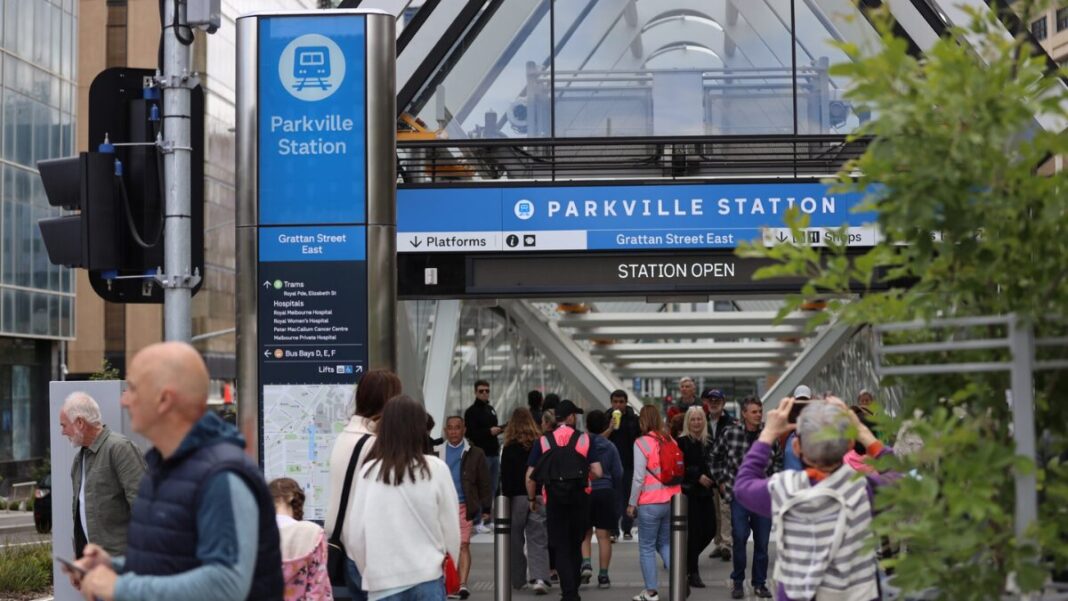
Melbourne’s long-awaited $15 billion Metro Tunnel has entered its most significant phase, with new timetables coming into effect today and more than 1,200 additional train services each week beginning operation across parts of the metropolitan network.
The change, described by the Victorian government as “the big switch”, marks the first time the tunnel is being fully utilised since it opened in November with limited services running through its five new underground stations. From today, multiple lines are operating under redesigned timetables intended to ease congestion and improve reliability as trains are permanently re-routed through the new tunnel.
Metro Tunnel has been in development since it was first announced in 2015, and its full activation represents the biggest reshaping of Melbourne’s rail network in decades.
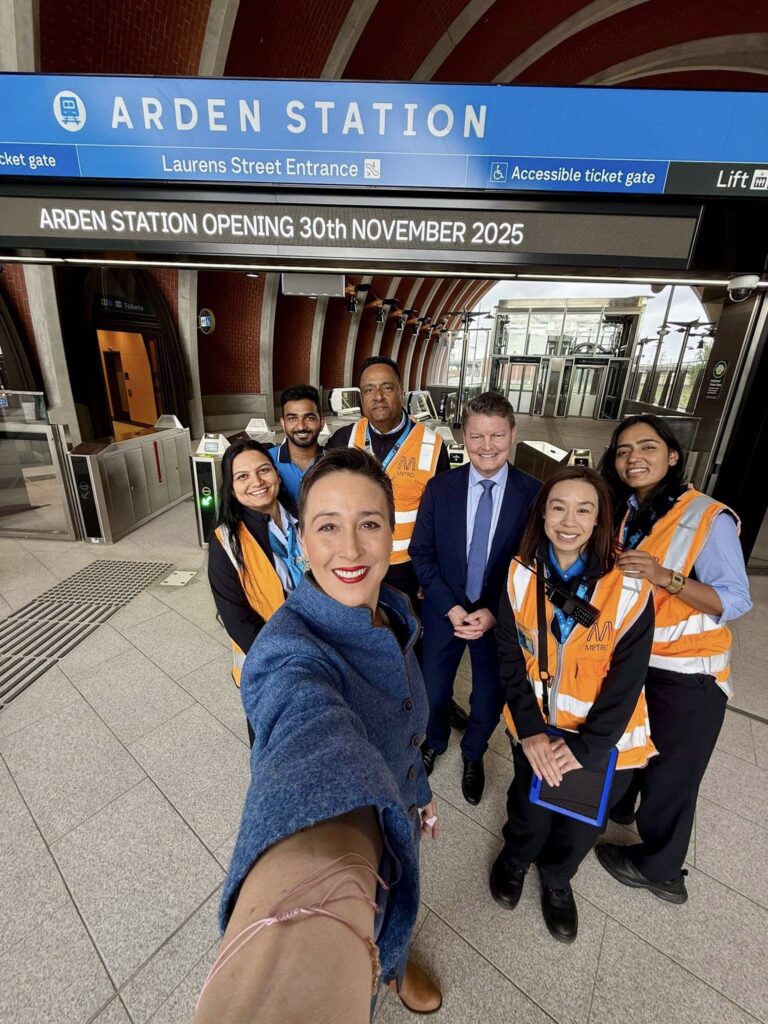
One of the most significant changes affects the Frankston line, which, from today, runs exclusively through the City Loop. Frankston services will now travel via Parliament, Melbourne Central, Flagstaff, Southern Cross and Flinders Street, rather than continuing to Werribee or Williamstown.
The line now has its own dedicated City Loop tunnel, supported by a new timetable designed to improve reliability. A further 12 weekly services are expected to be added once level crossing removals on the line are completed later this year.
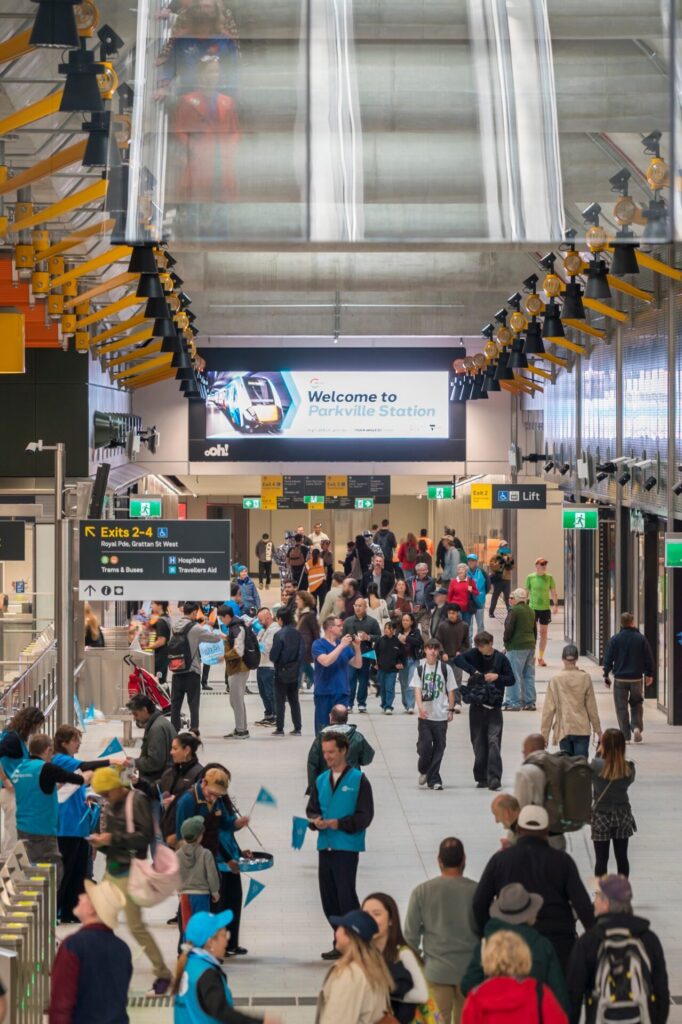
Major changes have also been introduced on the Cranbourne and Pakenham lines, which are now permanently routed through the Metro Tunnel. Trains on these lines run via the new underground stations at Town Hall, State Library and Parkville before connecting to the Sunbury line in Melbourne’s west. The reconfiguration is aimed at increasing capacity in the city’s fast-growing south-east and west, particularly during peak periods.
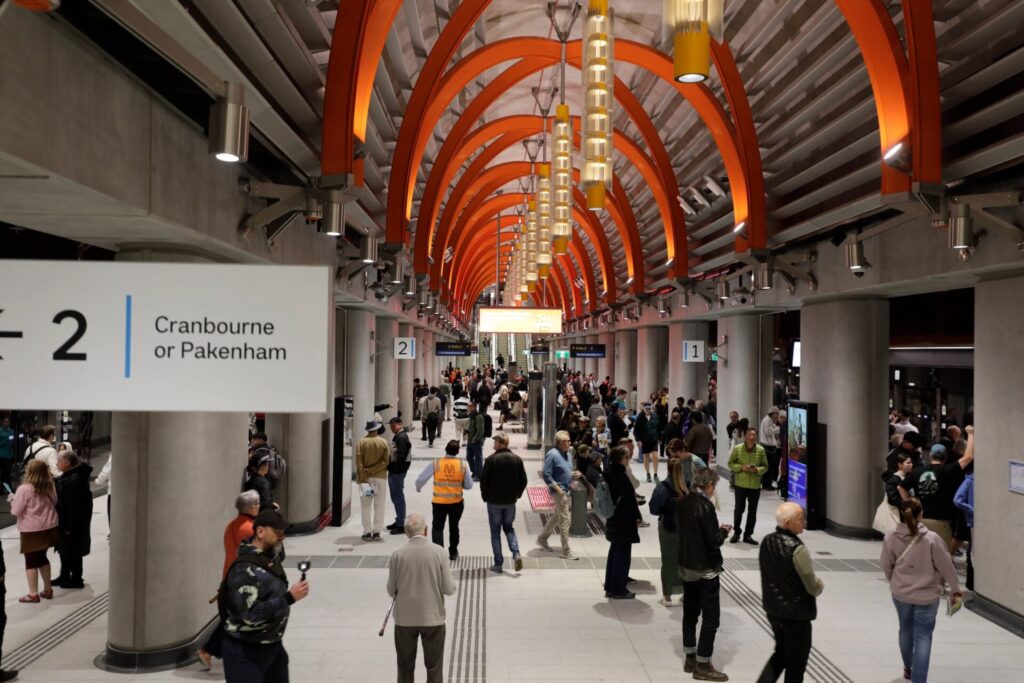
In the west, Werribee and Williamstown line services no longer interline with Frankston trains. These lines now operate independently, with revised timetables intended to reduce flow-on delays caused by congestion elsewhere in the network.
The Sunbury line has also been fully integrated into the Metro Tunnel for the first time, providing direct access to the new inner-city stations and improving cross-city travel without the need to change trains in the CBD.
Changes extend beyond metropolitan Melbourne, with adjustments to some V/Line services and connecting bus routes in both regional Victoria and inner-city areas to align with the new train schedules.
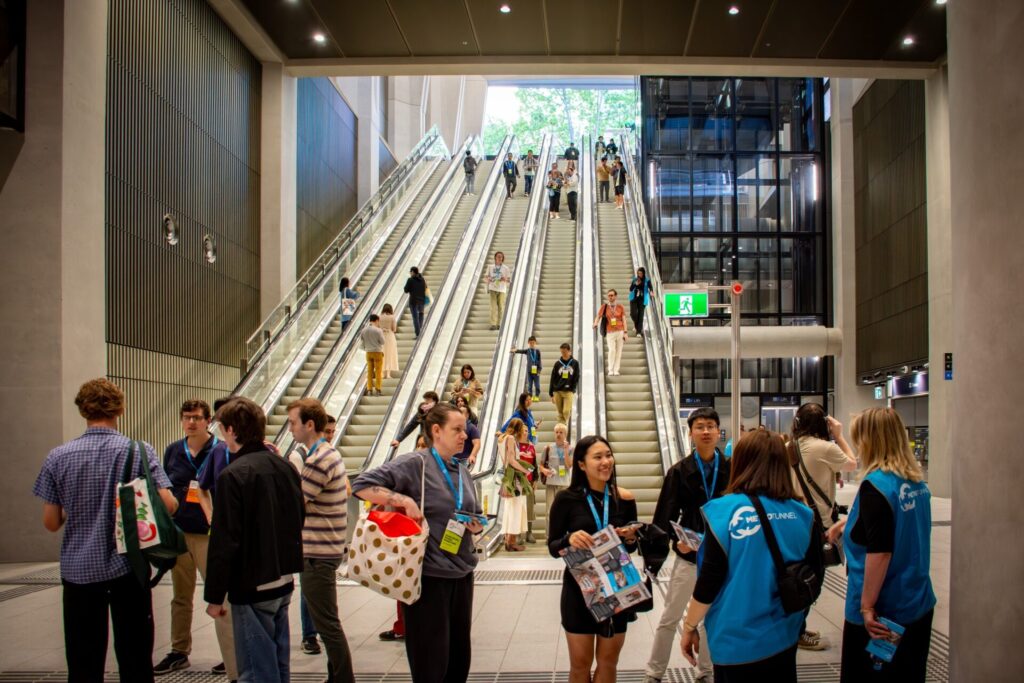
Despite the scale of the changes, not all commuters will see immediate benefits. Transport Users Association spokesperson Daniel Bowen said the impact of the “big switch” would vary significantly depending on where people live.
“They’ve really pitched it as ‘the big switch’. It is for some lines, but for other lines there’s actually no change at all,” Mr Bowen said. He noted that passengers in Melbourne’s eastern and north-eastern suburbs would see little immediate improvement, with some lines still running at 30- to 40-minute intervals during off-peak times, particularly on Sunday mornings.
Mr Bowen also highlighted differences in operating hours across the new stations, with Town Hall set to be the only Metro Tunnel station open during night network hours, while Parkville station, located near major universities and hospitals, will close overnight.
The new timetables have been years in the making. Department of Transport Victoria executive director of modal planning Stuart Johns said his team had gone through “hundreds if not thousands of iterations” to finalise the schedules.
He said the work had taken more than three years and relied on detailed modelling to anticipate population growth and travel demand well into the future.
“We’re looking right out to the 2050s to understand how Melbourne and Victoria will grow,” Mr Johns said, adding that the goal was to design a system that could be scaled up over time.
Mr Johns said data alone was not enough, explaining that practical judgement played a key role in shaping the final product. He said the first service locked into the new timetable was a Gippsland line train timed to ensure students could reliably reach school each morning.
After more than a decade of planning and construction, Mr Johns described today’s rollout as a rare career moment. “You only get one go at something like this in your entire career,” he said. “It’s been years of effort and years of excitement.”
While the government has promised that the Metro Tunnel will reduce crowding and improve reliability across the network, transport advocates say further upgrades will still be needed to deliver consistent, high-frequency services across all lines. For now, today’s switch represents the most substantial change to Melbourne’s train network in a generation, reshaping how hundreds of thousands of passengers move through the city each week.
Support our Journalism
No-nonsense journalism. No paywalls. Whether you’re in Australia, the UK, Canada, the USA, or India, you can support The Australia Today by taking a paid subscription via Patreon or donating via PayPal — and help keep honest, fearless journalism alive.
