

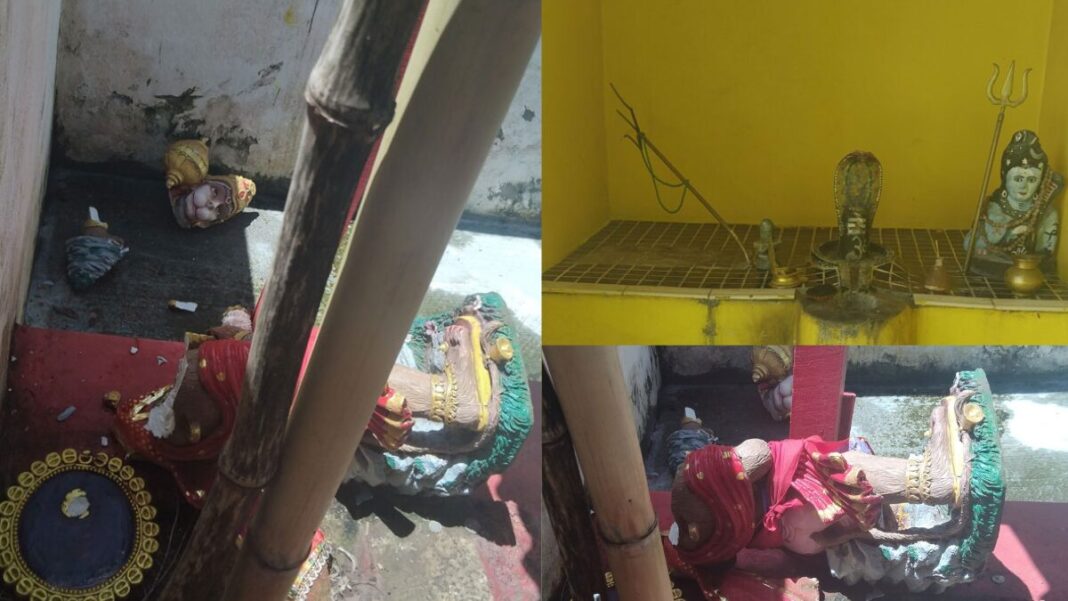
The alleged desecration of the Kulukulu Ram Mandir in Sigatoka has reopened deep wounds within Fiji’s Hindu community, reviving memories of earlier attacks on places of worship and intensifying calls for unity, justice and stronger protection of sacred sites.
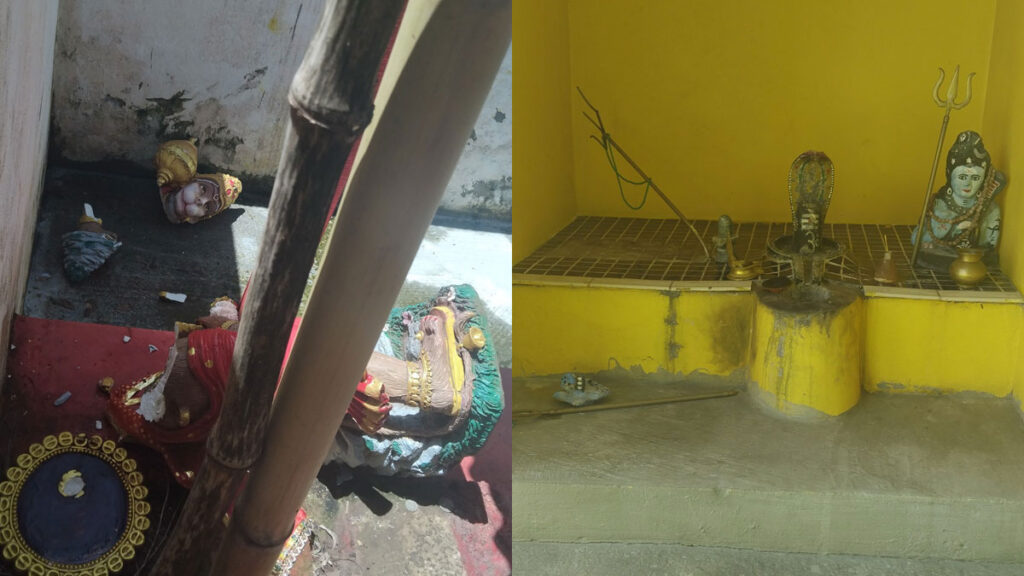
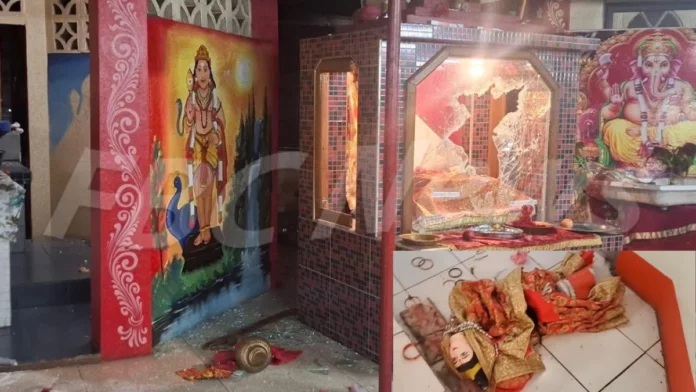
As per local media, police are investigating reports that sacred idols were damaged and dumped outside the Sigatoka temple earlier this week, an incident that community leaders believe was a deliberate act of sacrilege rather than a burglary.
Temple trustee Amish Pal told Fiji Sun he discovered the damage when he arrived for prayers, describing the scene as distressing and emotionally confronting. He noted that nothing appeared to have been stolen, reinforcing suspicions that the act was motivated by hatred rather than theft.
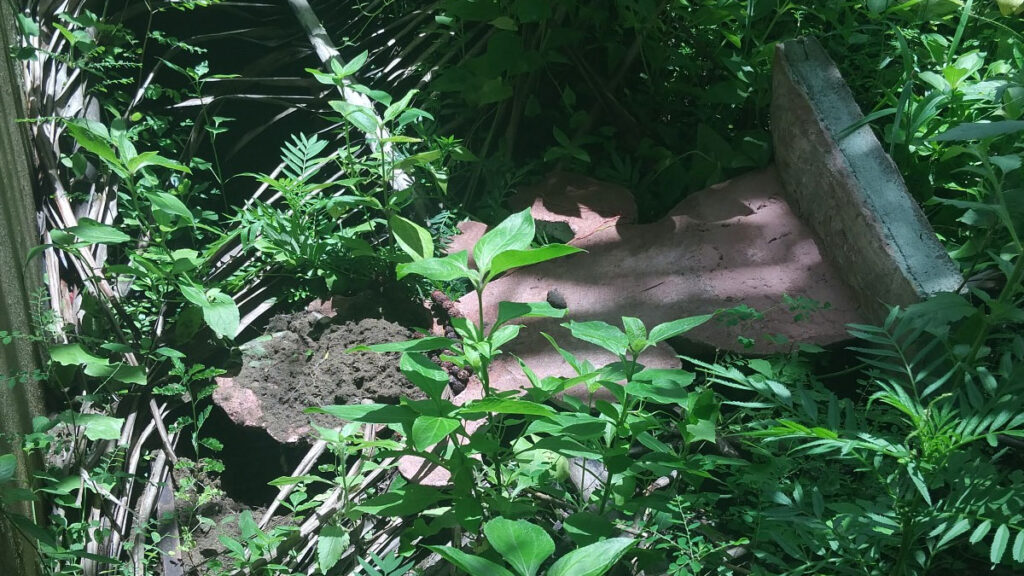
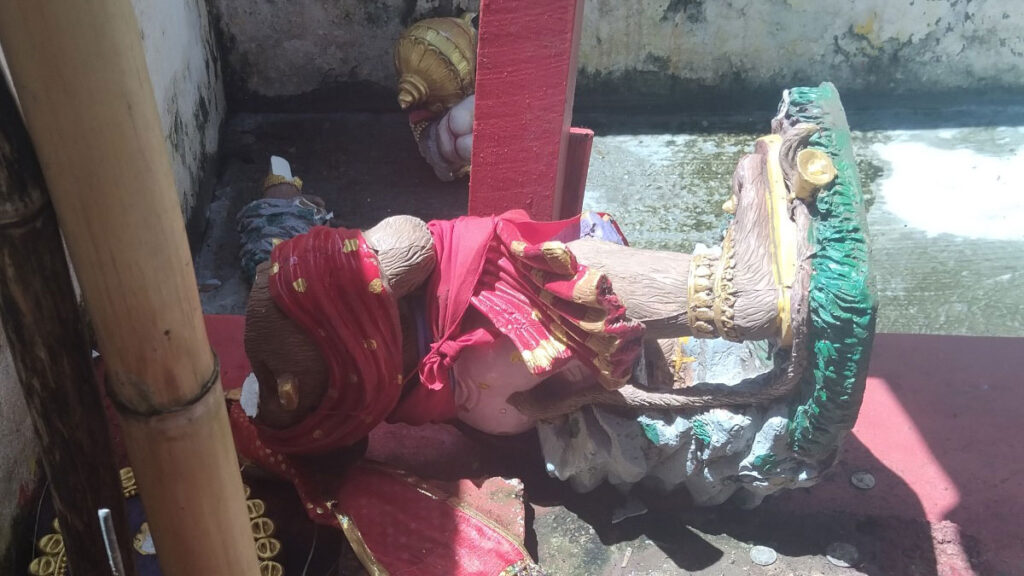
The incident drew swift condemnation from Minister for Multi-Ethnic Affairs Charan Jeath Singh, who described the vandalism as both criminal and an attack on Fiji’s core values of peace, respect and religious harmony. Singh stressed that all places of worship, regardless of faith, are sacred and must be protected, warning that the Coalition Government would not hesitate to pursue harsh penalties, including imprisonment, for those responsible.
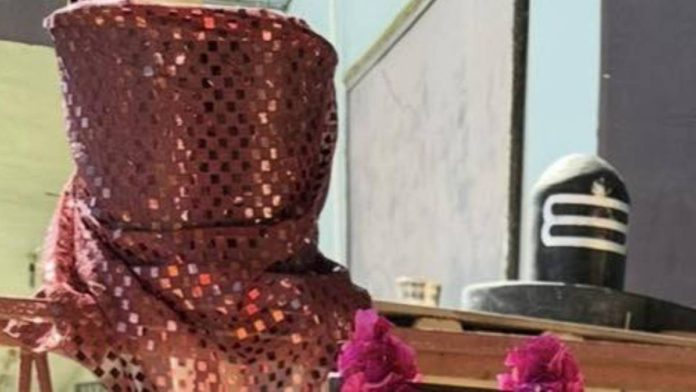
For many Indo-Fijians, the Sigatoka incident is not an isolated case but part of a disturbing pattern stretching back decades. Only days earlier, worshippers at the Sri Shiva Subramaniya Swami Temple in Tagitagi, Tavua, reported a shocking act of sacrilege in which a heavy sacred shivling was allegedly ripped from its base, dragged outside, smashed and dumped. Temple officials described the act as devastating and called for swift arrests.
Last year, Fiji was rocked by the desecration of the century-old Shiv Mandir in Samabula, Suva, where revered idols—some almost 100 years old—were smashed in an attack that triggered national outrage.
National Federation Party (NFP) leader Biman Prasad labelled that incident “absolutely disgusting” and a national shame, while warning that repeated attacks risk undermining social cohesion.
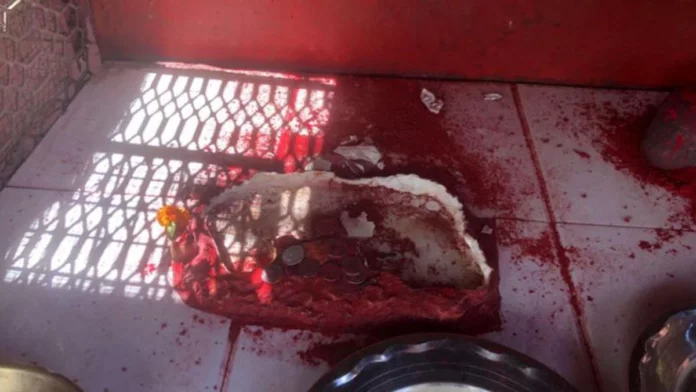
In April 2025, pages of the sacred Ramayan were torn and scattered inside the Vunicuicui Shiv Mandir in Labasa, an act widely condemned as an assault on interfaith respect. In 2018, temples in Suva and Nadi were defaced with hate graffiti, idols damaged and donation boxes stolen. As far back as 2006, the frequency of attacks forced several temples to hire private security after police acknowledged they could not provide round-the-clock protection. Even earlier, in 1991, a series of firebombings and the burning of sacred texts shocked the nation and prompted widespread protests.
The recurrence of such incidents has fuelled renewed political pressure. Sigatoka-based MP Joseph Nand told Fiji Sun the latest vandalism had stunned the usually quiet town and urged the government to allocate dedicated funding for security at religious sites in the next national Budget. He appealed for calm while calling on police to act swiftly and decisively.
Despite the anger and grief, community leaders are emphasising restraint and unity. Singh reiterated that Fiji is a multi-racial, multi-faith nation that has lived together in harmony for generations, urging citizens not to allow hatred to fracture that legacy.
Fiji Police confirmed to the local media that a report had been lodged and investigations were ongoing. Officers have appealed for calm as inquiries continue.
Support our Journalism
No-nonsense journalism. No paywalls. Whether you’re in Australia, the UK, Canada, the USA, or India, you can support The Australia Today by taking a paid subscription via Patreon or donating via PayPal — and help keep honest, fearless journalism alive.
