

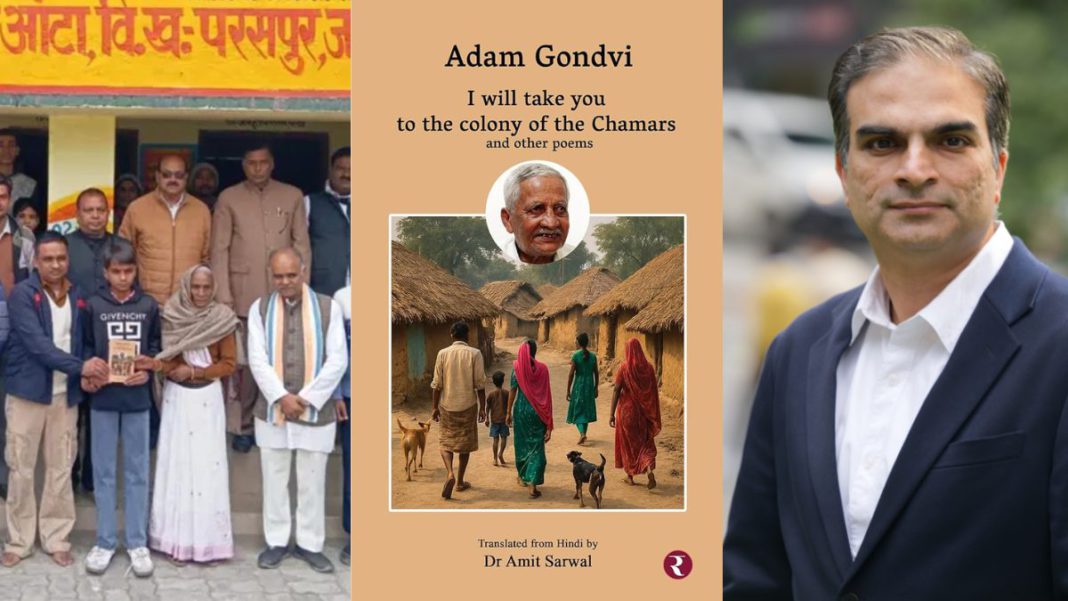
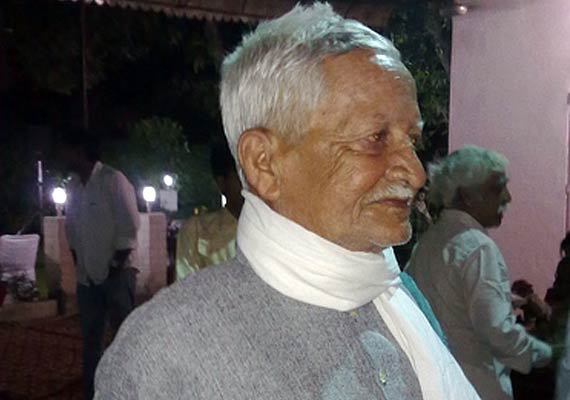
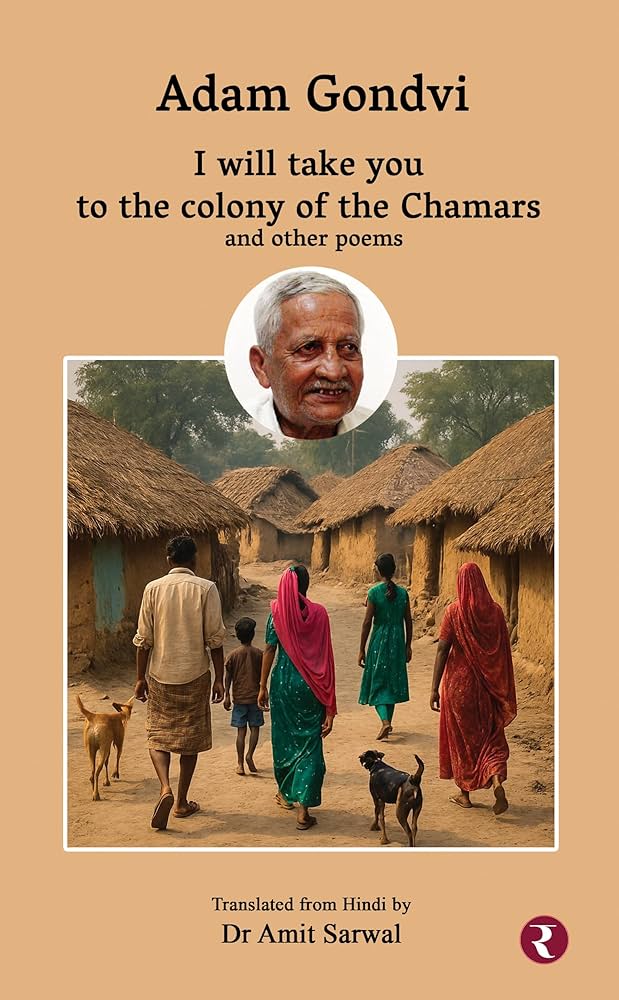
The revolutionary poetry of legendary people’s poet Ram Nath Singh ‘Adam Gondvi’ has found a powerful new global platform with the release of an English translation edited and translated by Melbourne-based academic, writer and translator Dr Amit Sarwal, Co-founder and Editor of The Australia Today.
Titled ‘I Will Take You to the Colony of the Chamars and Other Poems’ (Rajmangal Publishers), the volume brings together 74 translated works—originally written as ghazals, nazms and poems in Hindi and Urdu—capturing Adam Gondvi’s uncompromising commitment to social justice and his lifelong resistance to inequality and oppression.
Dr Sarwal described the project as both a literary and ethical responsibility.
“It is an honour to help bring his timeless and revolutionary voice to new readers through translation.”

The release has coincided with renewed public reflection on Adam Gondvi’s legacy in his ancestral village of Ata, where his 14th death anniversary was recently commemorated. Born on 22 October 1947 in the Sukar Kshetra region, Adam Gondvi remains one of Hindi literature’s most fearless voices—transforming poetry into an instrument of social conscience, protest and moral courage.
At a memorial gathering held at his samadhi in the village primary school campus, poets, writers, teachers, social activists and villagers paid floral tributes and reflected on how Gondvi’s poetry emerged directly from the lived realities of rural India. Speakers described his work as not merely literary expression but a vivid chronicle of villages marked by poverty, broken infrastructure, injustice and unending struggle.
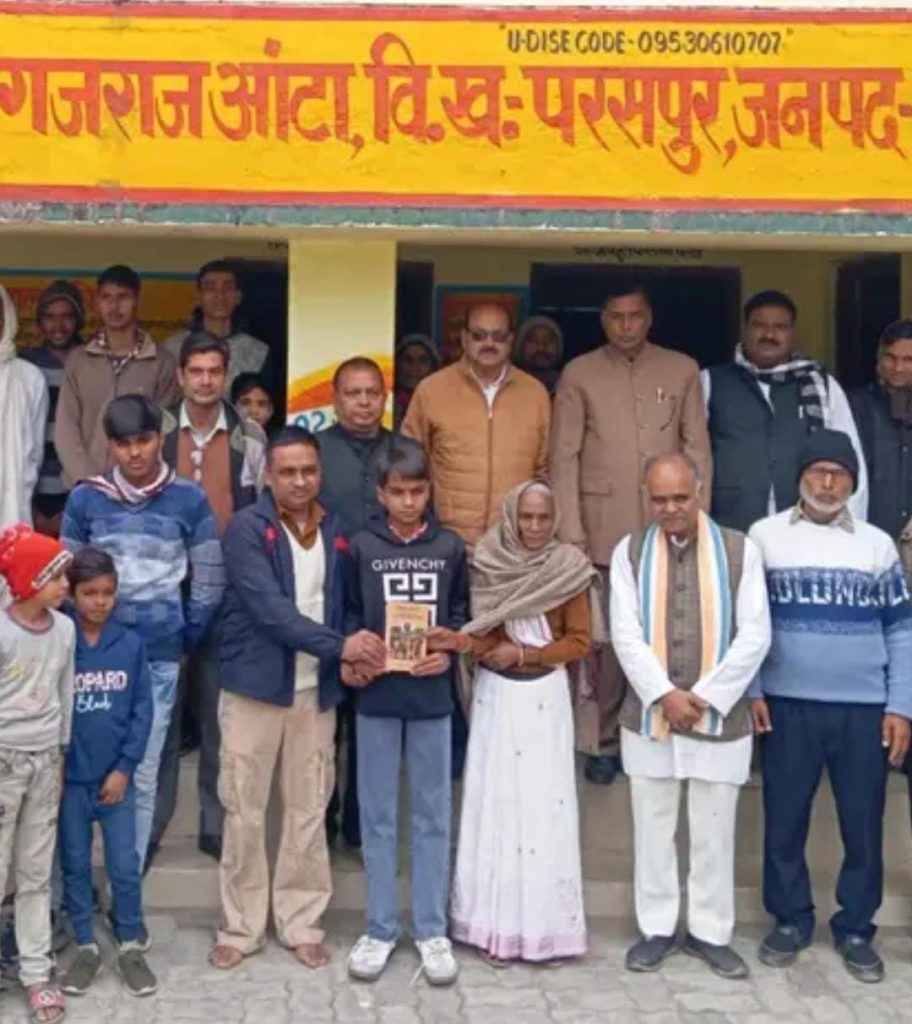
Poet Dilip Kumar Singh ‘Dilip Gondvi’ told the gathering that the English publication of Adam Gondvi’s selected works marked a crucial step in extending his ideological legacy beyond India. Through translation, he said, Gondvi’s ideas—once rooted in village paths and local resistance—are now reaching international readers.
Throughout the memorial programme, recitations of Adam Gondvi’s poems moved listeners, reinforcing the belief that his verses still possess the power to unsettle complacency and provoke social introspection. Former Congress district president Pramod Mishra said Gondvi gave an honest voice to the pain of the poor, exploited and marginalised, adding that even taking a single step along the poet’s path of thought amounted to a true tribute.
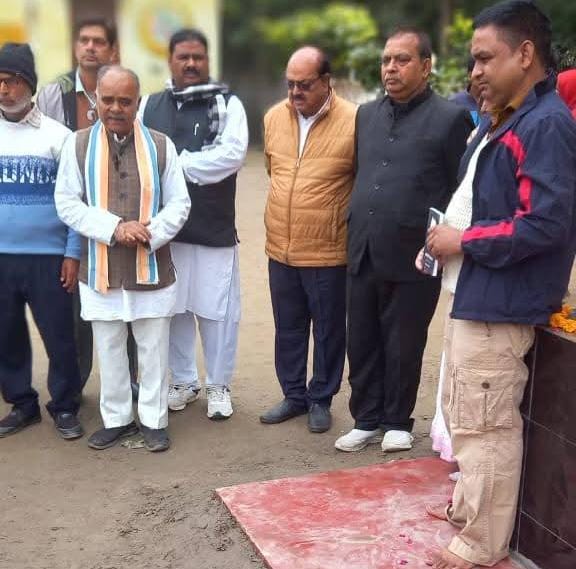
Poet Yaqub Azm described Adam Gondvi’s ghazals as an enduring expression of the common person’s anger, dignity and hope, noting that they continue to embolden readers to speak truth to power. Others recalled that many of the village conditions Gondvi wrote about decades ago—damaged roads, defunct handpumps and non-functional solar lights—remain largely unchanged, underlining the continuing relevance of his work.
The English collection reflects these same concerns. With language that is deceptively simple yet deeply piercing, Adam Gondvi’s poetry foregrounds the lives of those pushed to society’s margins—Dalits, Muslims, women and the working poor—while exposing the structures of power that perpetuate inequality. Grounded firmly in Marxist thought, his writing carries a message that remains strikingly contemporary: “We will write a new history of our times.”
Dr Sarwal added that the translation draws on his long-standing academic engagement with questions of migration, identity, culture and storytelling. He is the author of several influential books exploring South Asian diaspora studies, intercultural history and media, including ‘The Celestial Dancers: Manipuri Dance on Australian Stage,’ ‘The Dancing God: Staging Hindu Dance in Australia,’ ‘South Asian Diaspora Narratives: Roots and Routes,’ and ‘Labels and Locations.’ These works critically examine migration, gender, caste, class, performance and media, advancing understanding of diaspora communities and the role of storytelling in shaping cross-cultural dialogue.
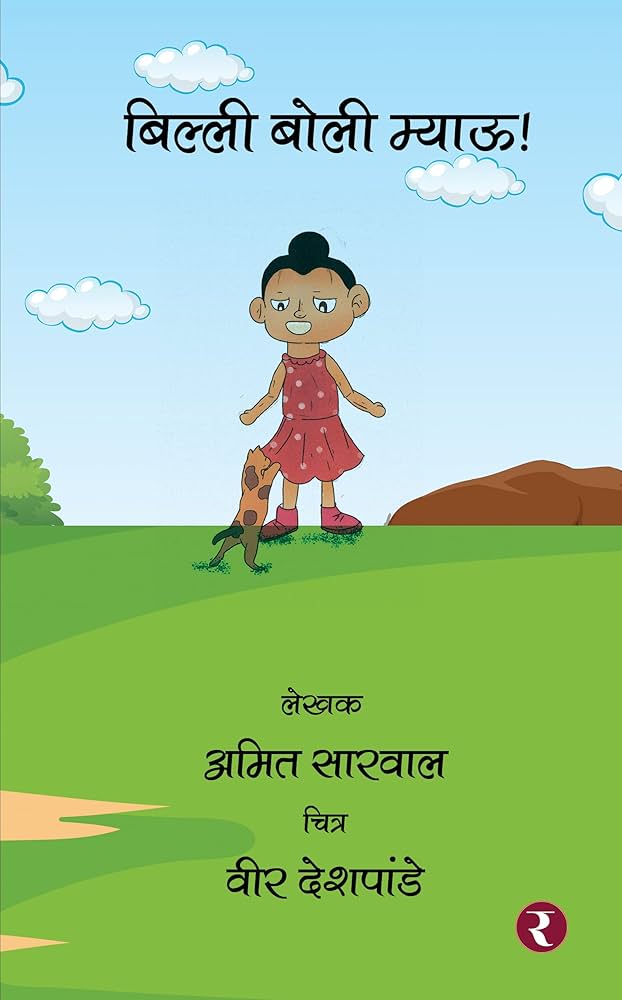
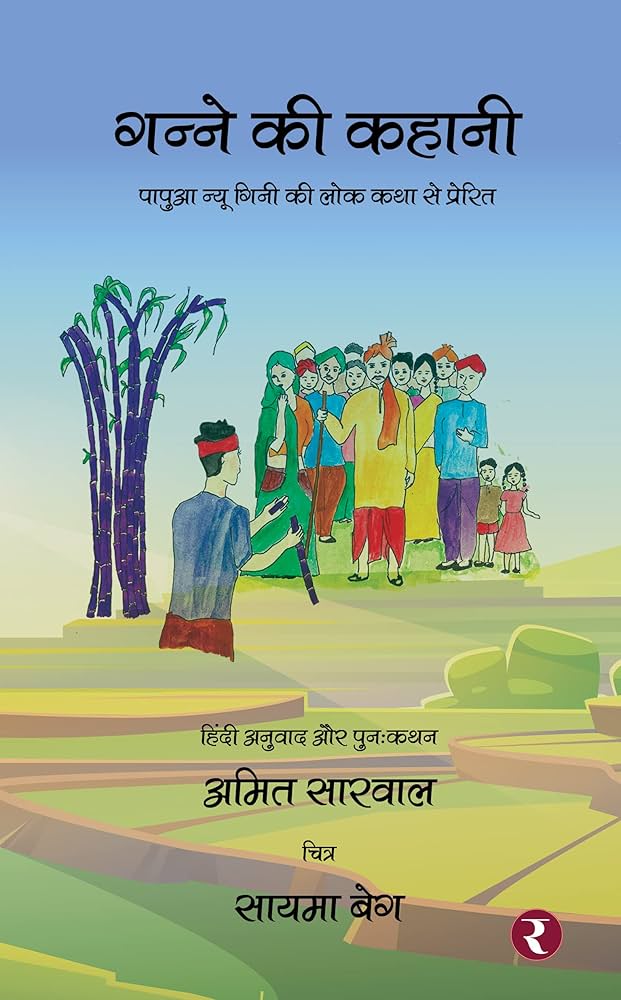
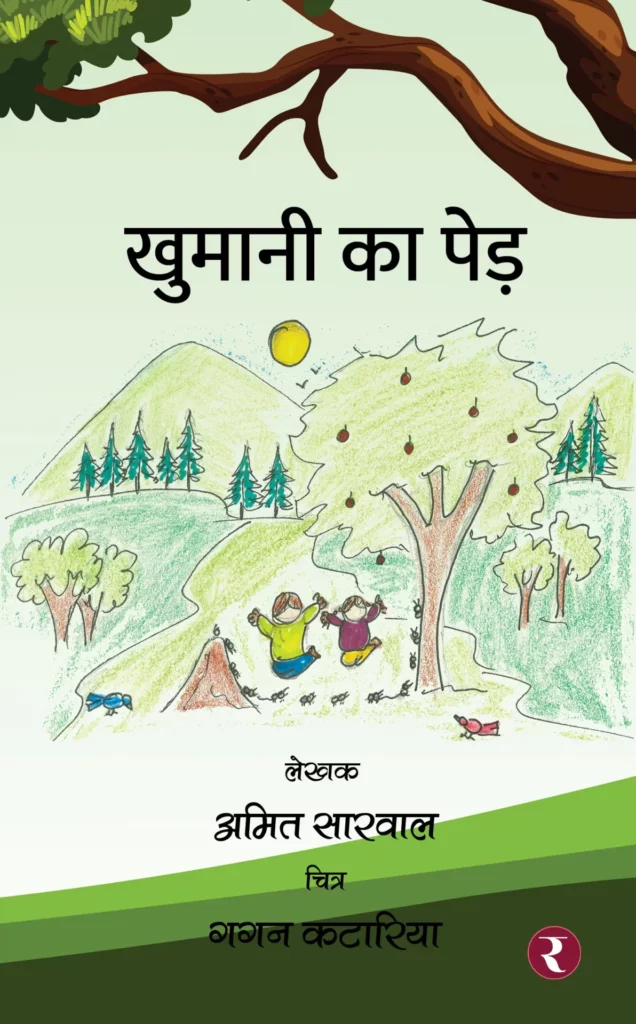
In addition to his academic scholarship, Dr Sarwal has authored and published creative works for younger readers through Kula Press, including ‘Khumaani ka ped’ (The Apricot Tree), ‘Ganne ki kahani’ (The Story of Sugarcane), and ‘Billi boli meow’ (The Cat Says Meow), reinforcing his commitment to multilingual and intercultural publishing.
His translation work spans literary classics and contemporary writing, including Hindi translations of Jaishankar Prasad’s feminist historical play ‘Dhruvaswamini,’ poetry collections such as ‘Hamara Prashant’ (Our Pacific), and collaborative translations of major works on Australia–Asia relations. His research—ranging across literary studies, translation, Pacific studies, Australia–India relations, media and Bollywood studies, and representations of gender and migration—reflects a sustained effort to bridge Global South discourses with Australian contexts.
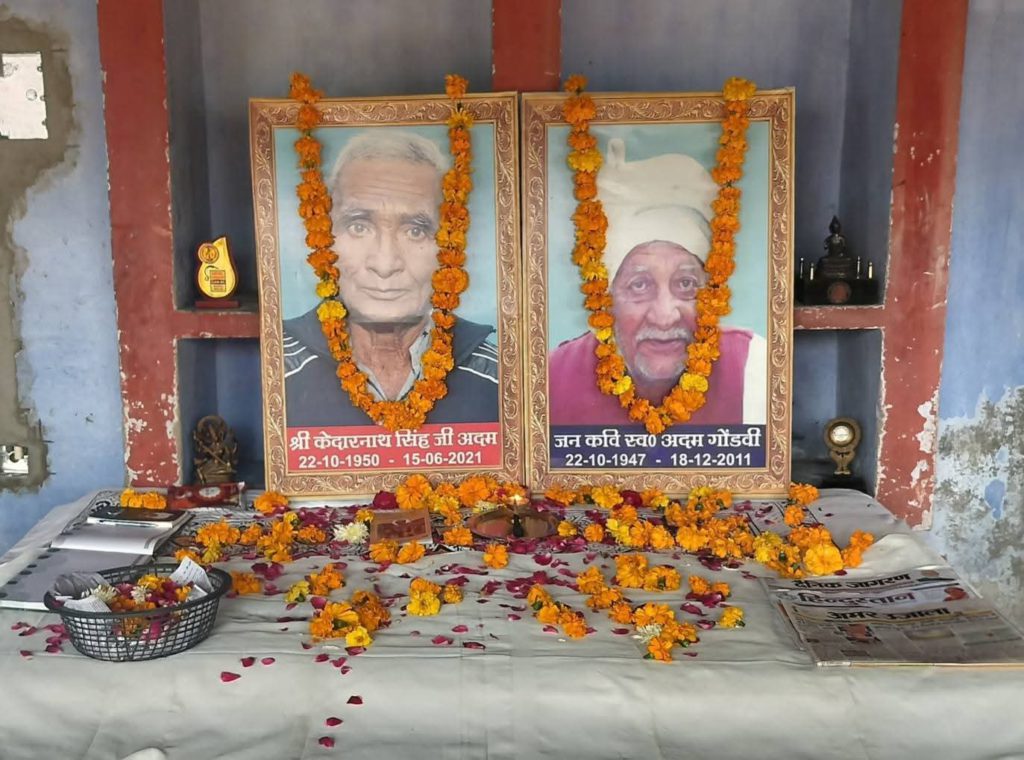
Although Adam Gondvi—peasant, poet and thinker—did not witness the social transformation he envisioned during his lifetime, admirers argue that his words have outlived him. His three major Hindi poetry collections—’Dharti ki Satah Par,’ ‘Garam Roti ki Mahak’ and ‘Samay se Mutbhed’—earned him wide recognition, yet his most enduring legacy lies in how deeply his poetry continues to resonate with ordinary people.
As Adam Gondvi’s words now travel far beyond the banyan tree under which he once wrote in his village, the new English translation stands as both a literary milestone and a reminder that poetry, when rooted in truth and courage, remains a force capable of challenging power and imagining a more just world.
Support our Journalism
No-nonsense journalism. No paywalls. Whether you’re in Australia, the UK, Canada, the USA, or India, you can support The Australia Today by taking a paid subscription via Patreon or donating via PayPal — and help keep honest, fearless journalism alive.
