

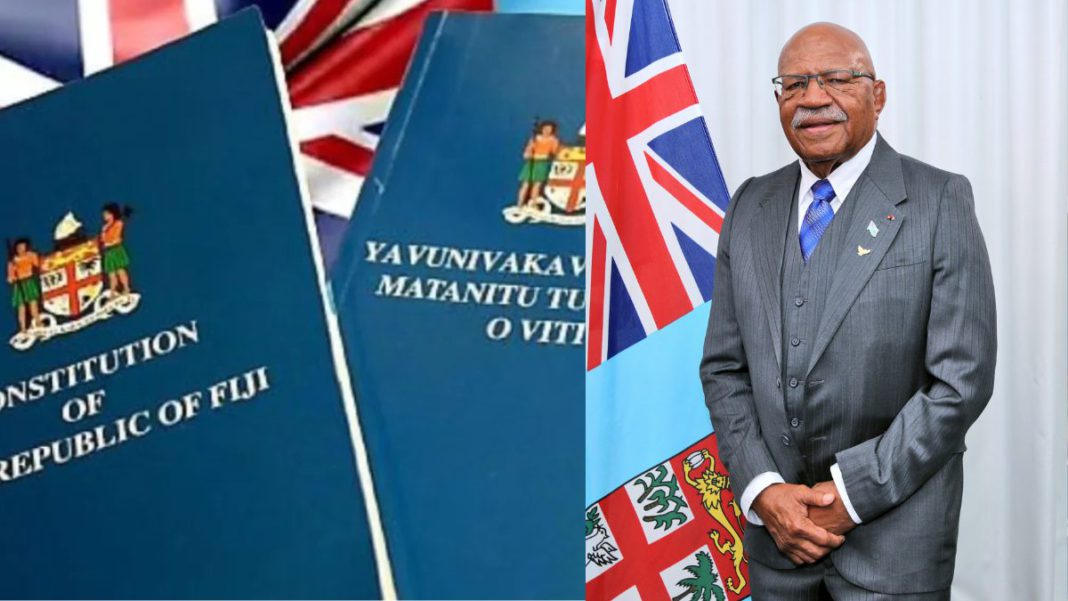
Prime Minister Sitiveni Rabuka has welcomed a landmark Supreme Court ruling that paves the way for constitutional reform in Fiji, easing what judges described as an “unworkable” amendment process.
In an advisory opinion delivered after three days of hearings in Suva this month, the Court ruled that changes to the 2013 Constitution no longer require approval from 75% of registered voters. Instead, constitutional amendments must now secure a two-thirds majority in Parliament and be ratified by a simple majority of voters in a national referendum.
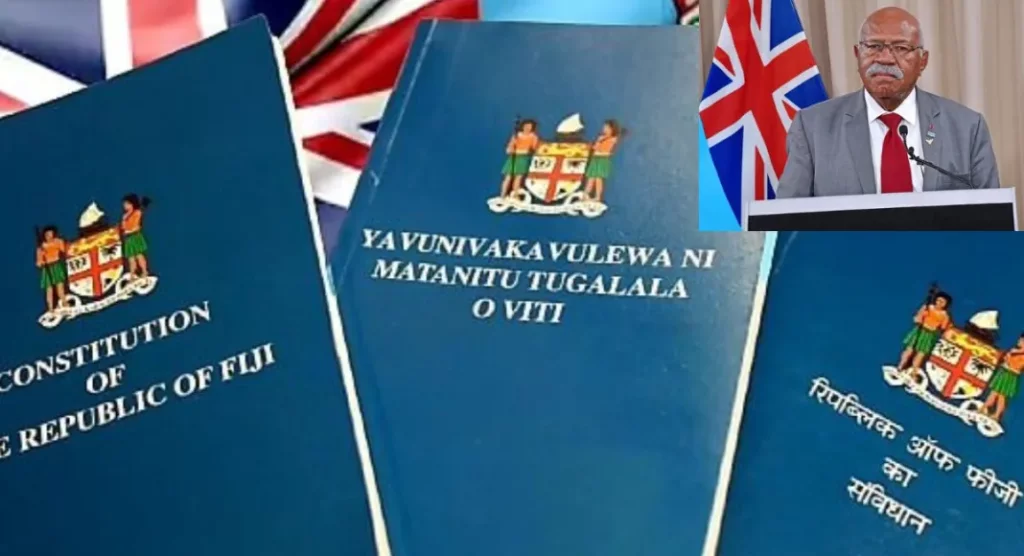
Chief Justice Salesi Temo affirmed that the 2013 Constitution remains the legally effective constitution of Fiji, despite acknowledging its controversial origins and lack of public endorsement. “It was imposed on the people, not chosen by them. That is therefore a democratic deficit,” Justice Temo said as per The Fiji Times. He noted, however, that three elections and more than 400 laws have been enacted under its framework, making it the basis of legal and political life.
The ruling resolves long-standing concerns that the amendment provisions made the Constitution “virtually unamendable,” by requiring the support of three-quarters of Parliament and three-quarters of all registered voters.
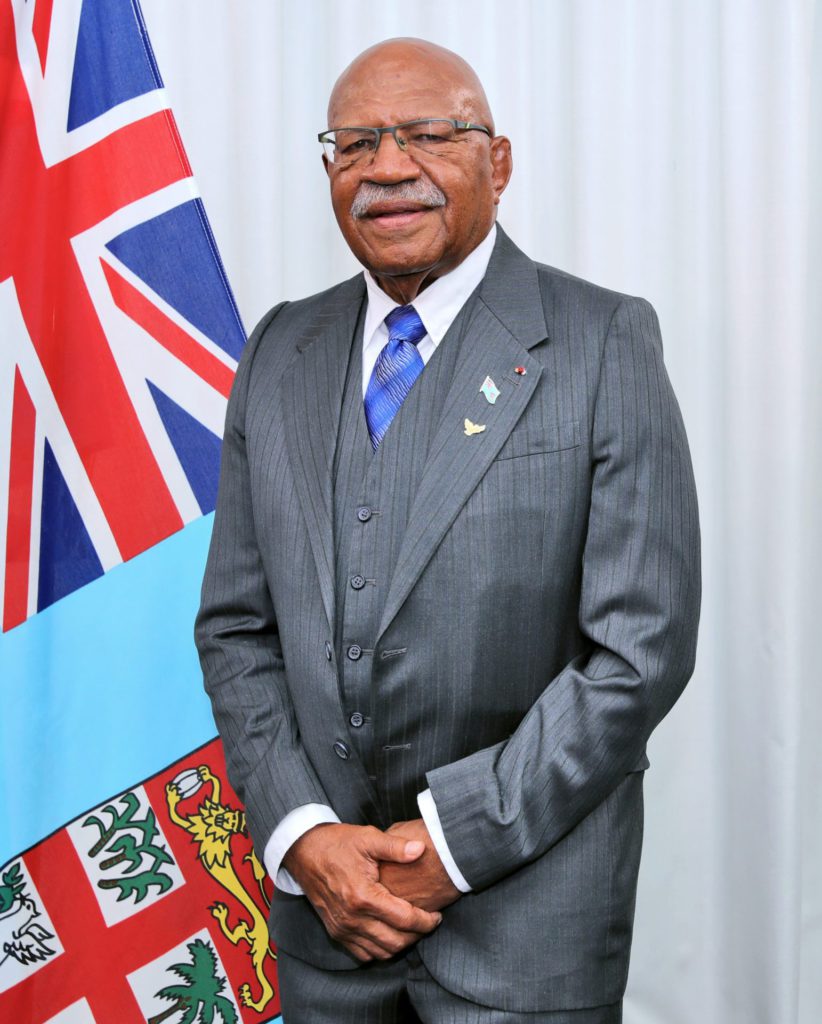
Prime Minister Rabuka said the Coalition Government sought clarity from the judiciary rather than imposing unilateral change. “This outcome reflects our commitment to the rule of law, and to inclusive, democratic decision making,” he said.
“A clear and democratic pathway is established, ensuring stability, continuity and transparency in constitutional reform. Your voice matters in shaping Fiji’s future, and together we will move forward with clarity and confidence.”
The Supreme Court also declared that Fiji’s previous 1997 Constitution is no longer valid. Calls for reform have been building since the 2013 Constitution was introduced by former leader Frank Bainimarama following the 2006 coup.
The Cabinet will now deliberate on the Court’s opinion before Prime Minister Rabuka announces the next steps for Fiji’s constitutional future.
Support our Journalism
No-nonsense journalism. No paywalls. Whether you’re in Australia, the UK, Canada, the USA, or India, you can support The Australia Today by taking a paid subscription via Patreon or donating via PayPal — and help keep honest, fearless journalism alive.
