


One Nation leader Pauline Hanson has blamed mass migration for soaring living costs and infrastructure strain, claiming it is a key reason Australians are struggling with mortgages, rent and groceries.
In a statement, Hanson said there are currently 4.8 million visa holders in Australia, including around three million temporary visa holders and 1.8 million permanent residents. She also pointed to 1.7 million citizenships granted over the past decade.
“That’s millions of homes, plus hospital beds and school places being taken up by people who aren’t Australian citizens.”
Hanson argued that rapid population growth was placing pressure on housing supply and public services, contributing to traffic congestion and higher living expenses. She said One Nation was the only party prepared to “tackle mass migration”.
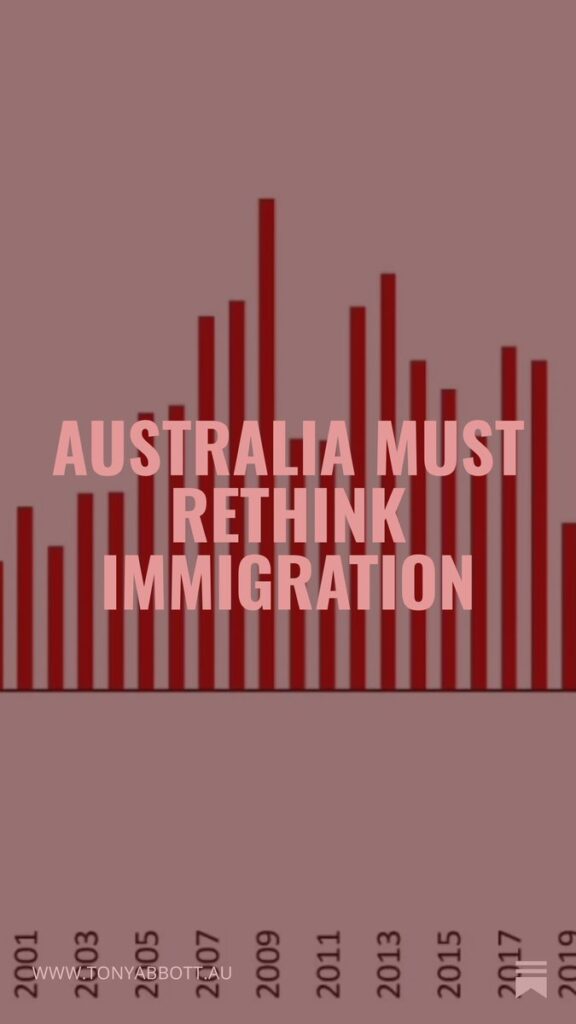
Her comments come as former prime minister Tony Abbott used his blog to call for a broader reassessment of Australia’s immigration settings.
In a post titled ‘Australia Must Rethink Immigration,’ Abbott said that while illegal boat arrivals had been brought under control during his government, legal migration had reached record levels in recent years.
He wrote that net overseas migration had averaged about 400,000 a year during the first three years of the Albanese government – equivalent to adding a city the size of Canberra annually.
Abbott cited figures showing about 2.5 million temporary residents in Australia, including nearly one million international students, more than half a million temporary workers and over 100,000 people on bridging visas.
“Immigration, like energy, is the economy,” Abbott wrote, arguing that well-targeted skilled migration could strengthen the country, but poorly managed intake could place downward pressure on wages and upward pressure on housing costs.
He questioned whether Australia should rely so heavily on temporary residents and suggested migration levels were contributing to infrastructure strain and social fragmentation.
Abbott also criticised what he described as a shift in cultural expectations, arguing that migrants were once expected to integrate and assimilate quickly, whereas multiculturalism now encouraged the preservation of distinct cultural identities.
Support our Journalism
No-nonsense journalism. No paywalls. Whether you’re in Australia, the UK, Canada, the USA, or India, you can support The Australia Today by taking a paid subscription via Patreon or donating via PayPal — and help keep honest, fearless journalism alive.
